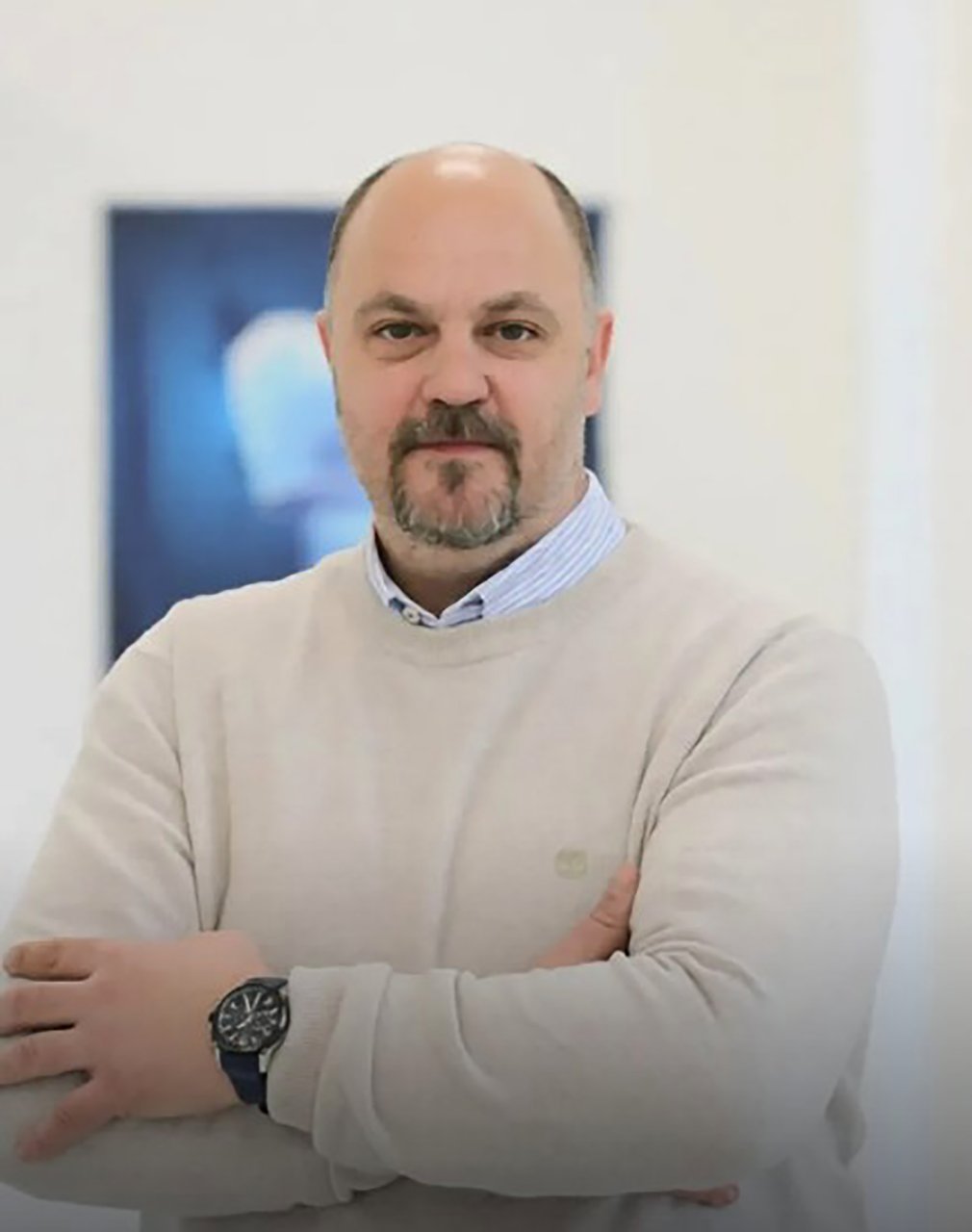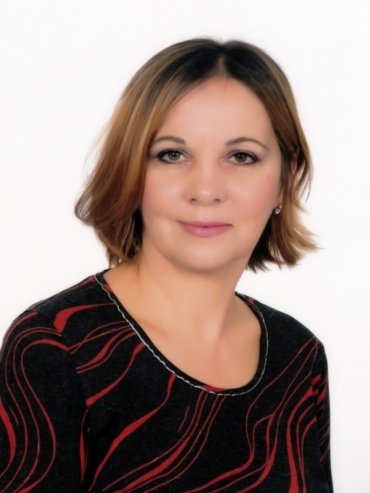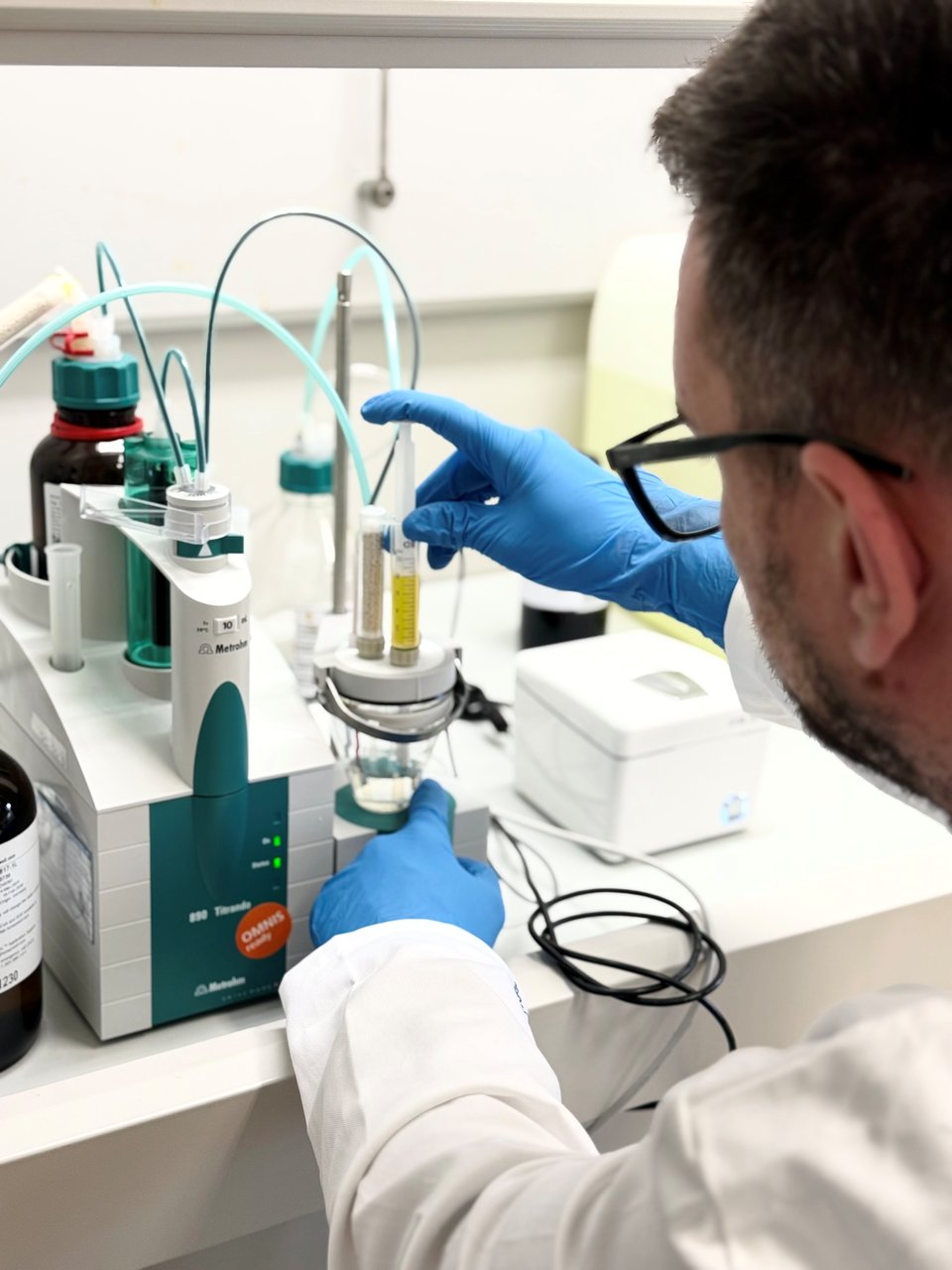
Health is a global matter. It knows no borders, neither national nor continental. The whole world is seeking and exploring solutions for diseases. Everyone wants and must have the right to the highest quality therapy at a normal price. That is why we view health and solutions as a global story and set up our business and company accordingly,” emphasizes Goran Rešić, co-founder of PGF Pharma International, which helps pharmaceutical manufacturers outside the European Union to align their products with European requirements, register them, test them, and bring them to market. PGF Pharma International thus enables its distribution partners commercial access to European markets through its integrated one-stop shop model as a place connecting functions that clients often have to negotiate with multiple different providers. This shortens communication and operational pathways, Rešić emphasized, reduces the chances of error, and allows for better control of the entire process from documentation to commercialization.
Connecting the World and the EU
Today, PGF Pharma International covers almost the entire path of a drug to the EU market: consulting and preparation for inspections under the EU Good Manufacturing Practice (EU Good Manufacturing Practice, EU-GMP), regulatory strategies and drug registration, preparation and alignment of CTD/eCTD (Common Technical Document/electronic Common Technical Document) documentation, and pharmacovigilance with the QPPV function (Qualified Person Responsible for Pharmacovigilance). They are also involved in import and storage, laboratory testing and quality control, QP batch release (Qualified Person – a qualified person who releases the drug to the market), serialization, distribution, market access, and commercialization, with licenses for good distribution practice and the production and import of drugs issued by the Agency for Medicinal Products and Medical Devices, HALMED. However, in addition to services, the company is also developing its own commercial portfolio, and Rešić announces that by the end of the year, they will launch their first two drugs on the European market, Enoxaparin and Rivaroxaban. Enoxaparin is a low molecular weight heparin in injection form for the prevention and treatment of blood clots, he explains, while Rivaroxaban is an oral anticoagulant for the prevention and treatment of blood clots and reducing the risk of stroke.
– Our goal was to build a reliable regulatory and operational platform from Croatia that enables partners a safer and faster path to European patients. Croatia provides us with a quality base within the EU regulatory framework, and our market has been international from the start. As much as 99 percent of our revenue in 2025 will come from outside Croatia. We work with clients and partners from Europe, the United States, and Asia, with India, China, Turkey, South Korea, Taiwan, and Vietnam particularly highlighted in strategic materials. We will soon start interesting projects in the Middle East – Rešić expects, directing further expansion towards EU markets by developing a distribution network.
It Can Be Done from Croatia
The model also intends to be enhanced by expanding EU-GMP laboratory capacities, introducing new validated analytical methods and equipment, and further digitizing validated systems. The goal, he emphasized, is for the client to manage an increasing number of projects and markets through one platform while maintaining the same standards of quality and regulatory compliance. He plans to include new artificial intelligence programs in the business, with the largest portion of capital going towards increasing capacity, expanding the portfolio, and creating recurring revenue from their own drugs.
– In the next three to five years, we want to be a fully integrated pharmaceutical company with a presence in markets across Europe. We compete with multinational companies through integration, speed, and specialized knowledge. Speed and expertise are our comparative advantages. PGF shows that an international pharmaceutical company can be built from Croatia that connects European knowledge, regulatory standards, and global manufacturers. Our growth is not just a commercial story because by better connecting supply chains, manufacturers, and European markets, we contribute to a safer supply and availability of therapies for patients – explained Rešić.
Bonds for Capital
On the path of development, Rešić is also raising capital by issuing bonds, and in March, the Zagreb company offered its bonds to raise one million euros. Of that, 150 thousand euros will be spent on expanding laboratory and EU-GMP capacities, 350 thousand for regulatory fees and legal support in bringing drugs to market, and 500 thousand in the development and creation of their own portfolio and distribution network. The minimum investment was 1,000 euros with an interest rate of 6.5 percent and a maturity of two years.
– Bonds are a rational instrument for a company that is already operational, has stable revenues, and wants to accelerate growth. They have allowed us to raise capital without diluting ownership and bringing in new co-owners while retaining full control over the direction of development. Diversification of funding sources and flexibility were also important to us. Pharmaceutical projects require large initial investments in laboratories, regulatory processes, and product portfolios, so it is not wise to rely solely on banks or our own money. We financed the scaling of a model that has already been operationally validated and generates revenue. The issuance is also the first step towards a long-term relationship with the capital market and a broader community of investors. Banks in Europe are still very conservative and do not have programs and tools to assess complex entrepreneurial projects, so we use various sources – explains Rešić.
Gradual Development
Rešić and Marko Morić founded PGF (Pharmaceutical Global Future) Pharma International in 2020 after providing consulting for good manufacturing practices in the EU to Asian pharmaceutical manufacturers in Vietnam. It quickly became clear to both that manufacturers need more than just advice to enter the EU market; they need a partner who can connect regulatory requirements, quality, laboratory testing, import, marketing authorization, and commercialization.