The most likely scenario is that in 2027, GDP growth in Croatia will be around 2.4 percent, and inflation around three percent. The most unfavorable projection, in the case of pronounced shocks, predicts GDP growth of one percent and inflation slightly above seven percent.
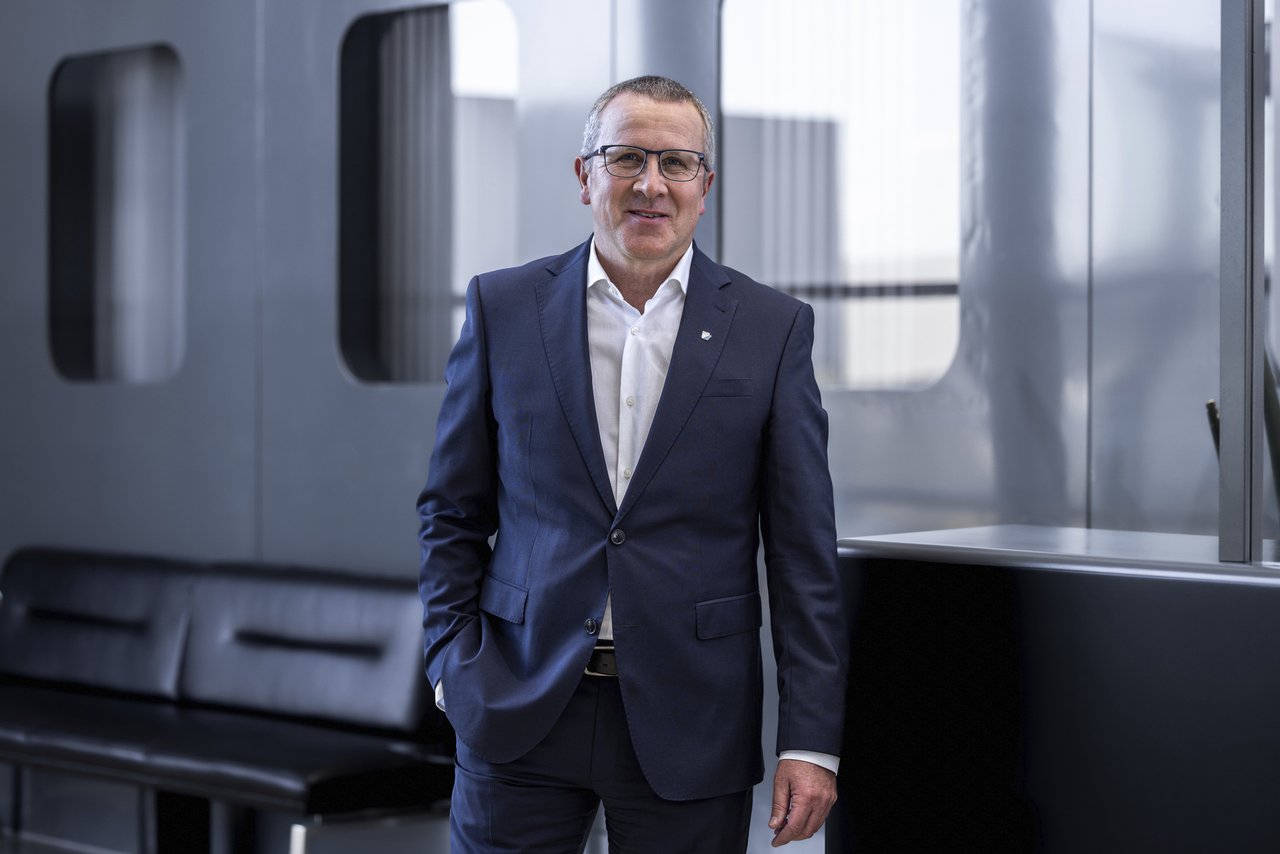
These projections were presented by the new HNB governor Ante Žigman at the 18th Lider ‘Day of Great Plans’ in a thorough presentation before 450 entrepreneurs and managers from Zagreb. They were one of at least thirty macro and micro signals that the business community could hear at the Westin in Zagreb.
It is not what the ‘Day of Great Plans’ is, the Lider conference, but, as in previous years, it was a uniquely useful business gathering for planning the next year. The common denominator would be that 2027 will be similar to 2026, but with a cooling business climate. There will (not yet) be a recession.
Interest Rates in the Rhythm of Energy
As always, the patron of the ‘Day of Great Plans’, the President of the Republic of Croatia Zoran Milanović, set the geopolitical framework in his own way at the beginning. This year, the emphasis was on the collapse of the international legal order. More than before, every state needs to look after its own interests. For example, Croatia needs to build a nuclear power plant.
Economically speaking, it is not expected that the budget deficit will exceed three percent of GDP in 2027 (Matej Bule, Ministry of Finance). The absence of a recession on the horizon was also confirmed by Mauro Giorgio Marrano (UniCredit economist). He sent a signal that in the CEE region, including Croatia, industrial orders are strengthening, and even the German industry is showing signs of life. An interesting graph showed the close relationship between energy prices and the interest rates of the European Central Bank.
The Minister of Economy Ante Šušnjar sent a signal of commitment to reindustrialization. Contrary to the usual practice of ministers avoiding numerical promises, he stood behind the goal of raising the share of the manufacturing industry in GDP from 10.5 to 12.5 percent by 2034. The public also has Šušnjar’s plan for 1.9 billion euros in investments by 2030. The total amount by 2034 is 2.9 billion euros, but it depends on the adoption of the EU budget. And those negotiations in Brussels could take a while. This is not a reason for companies not to start preparing now. As they have begun, for example, at Pliva.
If the signals from politicians and analysts were a mix of warm and cold, the second part of the ‘Day of Great Plans’, in which proven successful entrepreneurs and managers took the lead, was a combination of realistic assessments from leaders in the sectors and motivations for investment. If a common denominator were to be sought among the three business panels, although it was not publicly stated, it would be a message to politicians, economists, and analysts to stop lecturing the real sector on social media and in the media. As if they do not know that they need to work on competitiveness and increasing added value and raising productivity.