Home / Business and Politics / Tomašević Calls on Employers to Allow Remote Work Due to Strike

Tomašević Calls on Employers to Allow Remote Work Due to Strike

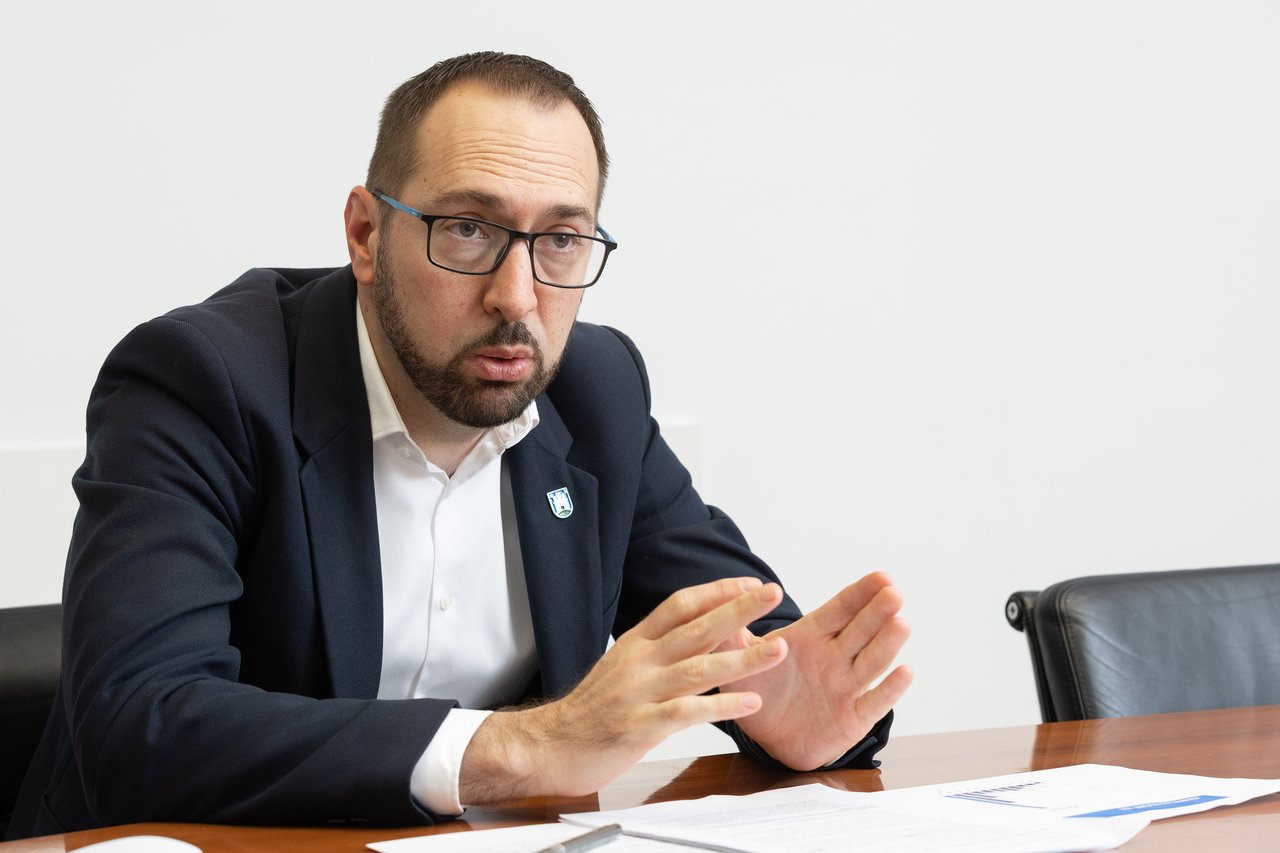
<p>Tomislav Tomašević</p>
Tomislav Tomašević / Image by: foto Ratko Mavar

Zagreb Mayor Tomislav Tomašević has called on employers to allow employees to work from home on Monday wherever possible, and where that is not feasible, to introduce more flexible working hours, reports Index. The reason is the announced strike of ZET and Zagreb Holding workers, which is expected to cause significant disruptions in public transport and considerably heavier traffic from early morning.

– If at all possible, organize remote work. If that is not possible, make working hours more flexible – Tomašević stated, adding that such a regime will also apply to the City Administration. Employees who are late for work due to traffic jams will not be penalized. The city expects the heaviest traffic between 7 and 9 AM and between 3 and 5 PM, and citizens are advised to carpool to work where possible.

The strike of ZET and Zagreb Holding workers is set to begin on Monday, September 28, at 3:30 AM, and it is currently unknown how long it may last. The biggest problem on the first day is expected to be public transport. According to current announcements, the city does not expect trams and buses to leave ZET’s depots, although it is still unknown how many workers will decide not to participate in the strike. Disruptions are also expected in waste collection and other city services.

Tomašević sharply criticized union leaders at a press conference the day before the strike, claiming that they did not show a willingness to compromise at the last meeting. According to him, some demands were even expanded after the break. For Zagreb Holding, he stated that the demand for an increase in the base from 12 percent has risen to 13 percent, while additional demands have emerged at ZET, such as changes in systematization and increased severance pay. Unions, on the other hand, dispute some of these claims, stating that they are still seeking a 12 percent increase in the Holding, while the demand at ZET has been reduced from 15 to 13 percent.
The dispute is not only about wages and other material rights but also about the scope of services that must continue to function during the strike. According to Tomašević, the management requested that approximately 35 to 40 percent of workers perform essential tasks, while the union’s proposal was significantly narrower. As no agreement was reached, the issue of minimum services has ended up in arbitration, which has not yet begun in the case of ZET.

On Friday, the city also filed a lawsuit challenging the legality of the strike. Tomašević claims that, because the arbitration on minimum services has not concluded, any legal liability for damages should fall on the organizers of the strike. He has again called on the unions to postpone the strike until the arbitration is completed.

The mayor emphasized that the city will not pay for days spent on strike. Workers who do not wish to strike, he stressed, must be allowed to come to work, while those participating in the strike have a constitutional right to make such a decision.

But why are ZET and Holding workers striking? The unions are demanding higher bases, coefficient corrections, higher transportation allowances, and other material rights, while the management of Holding and ZET claims that meeting all demands would mean tens of millions of euros in additional costs.

Tomašević states that the salaries of operational workers in ZET and Holding have increased between 60 and 85 percent over the past five years and warns that accepting the current demands could also affect negotiations in other city systems, including kindergartens. The unions, however, dispute the way the city presents income growth, claiming that some calculations include overtime and bonuses.

Tagged: