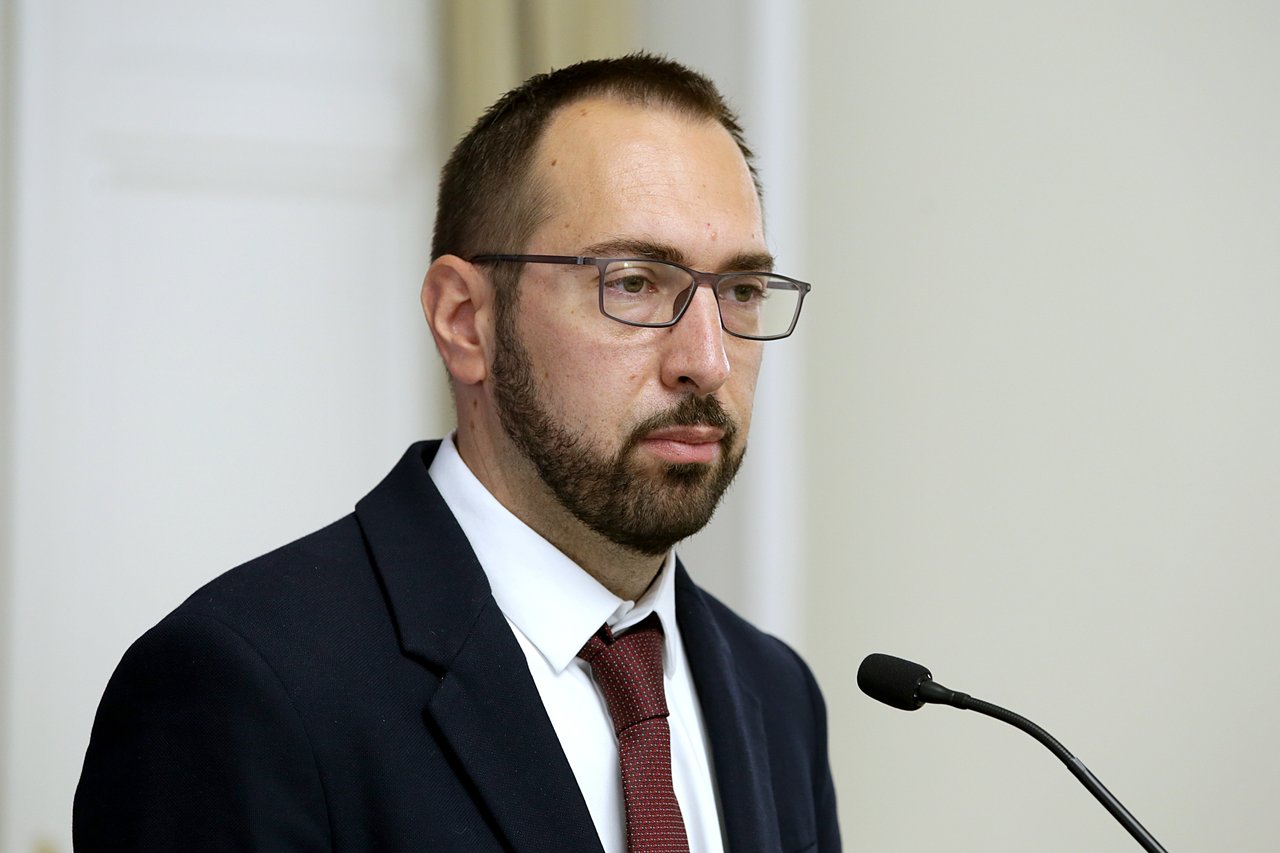
Almost complete suspension of public transport and some municipal services marked the first day of the strike by ZET and Zagreb Holding workers. Zagreb Mayor Tomislav Tomašević particularly criticized the unions’ decision to start the strike before the arbitration on minimum services was completed.
– This happened despite the arbitration not being finished. This is legally prescribed, and despite the arbitration not being completed, public transport was almost completely suspended. This last happened 90 years ago – said Tomašević.
According to the data he presented, only one bus out of a total of 300 and two trams out of 200 were operational during the morning shift. On a regular day, ZET performs about 400,000 trips.
Despite this, there was no traffic collapse. The number of cars on Zagreb’s roads was about 15 percent higher than usual, which Tomašević attributed to citizens who followed the City’s recommendations and adjusted their travel methods.
– If they hadn’t, we would have had a major traffic collapse. This did not happen primarily thanks to the citizens – said the mayor.
At the same time, he announced that a continuation of the strike is expected on Tuesday and urged citizens to adjust their travel plans again.
Dispute over Minimum Services
Part of the conference was dedicated to the arbitration on minimum services. He emphasized that the ZET Management proposed that 41 percent of drivers work during the strike, while the unions suggested that only about 1.5 percent of drivers perform necessary tasks.
– This is much less than in Madrid, where they offered one and a half percent of drivers to perform necessary minimum services. Therefore, arbitration is needed to agree on that percentage – he said.
Tomašević claims that the ZET unions did not respond to the initiation of arbitration for 48 hours and that they only appointed their arbitrators on Monday around noon. Because of this, according to him, arbitration could only start on Tuesday.
The mayor assessed the strike as extremely irresponsible and attributed the responsibility for the consequences of the suspension to the union leaders.