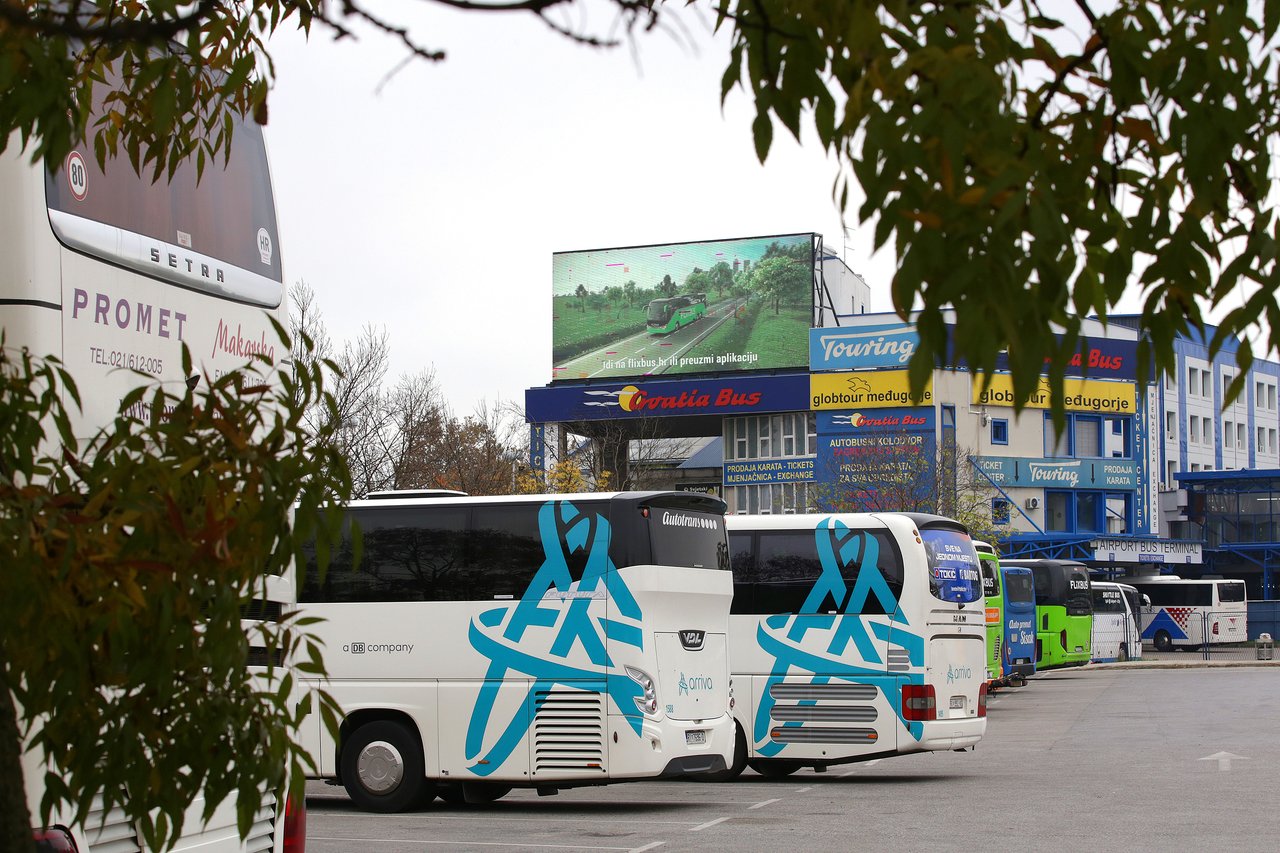
HUP Coordination of Public Line Carriers calls on the Ministry of Science, Education and Youth and the Ministry of the Sea, Transport and Infrastructure for urgent measures to preserve student transport and public bus lines. The highest amounts on the basis of which the state co-finances the transport of high school students have not been increased since the 2022/2023 school year, although the costs for carriers have risen.
Carriers estimate that without adjustments, ticket prices could rise by up to 30 percent as fuel prices have increased by 40 percent in just the last year. In areas where students currently do not pay for tickets because the county or local unit covers the remaining 25 percent, such an increase could mean a new cost for parents ranging from 26.24 to 75.77 euros per month per student.
The most vulnerable are carriers in parts of counties without contracted public services. According to the Government’s decision for 2026/2027, the state co-finances 75 percent of the recognized price of a monthly ticket, but no more than a base of 87.46 euros for eligible routes up to 10 kilometers, or 252.57 euros for routes longer than 50 kilometers.
If the current price is at that limit, and after the increase, state and local co-financing remain the same, the entire difference falls on parents. The decision does not freeze ticket prices; it limits the state contribution. These carriers are also not entitled to compensation from the public service contract that would follow the rise in costs.
Problems also exist where public services are contracted. Part of the multi-year contracts allows for the adjustment of compensation only with changes in fuel prices, while the rise in driver wages, maintenance, and other costs is not covered. At the same time, wages in the public sector are rising, and carriers must ensure workers necessary for executing contracted lines. Such contracts increasingly fail to reflect the actual cost of service. In some counties, there are also demands to reduce the already contracted network of lines due to lack of funds.