Home / Business and Politics / Croatia Produced 22 Million Liters Less Milk, Pig Farming Declines

Croatia Produced 22 Million Liters Less Milk, Pig Farming Declines

Image by: foto Shutterstock

Croatia produced less milk, pigs, sheep, goats, and eggs last year, with poultry farming standing out as a rare positive exception. The latest data from the State Bureau of Statistics on livestock production in 2025 shows a particularly pronounced decline in pig farming, as well as a continued decrease in cow’s milk production.

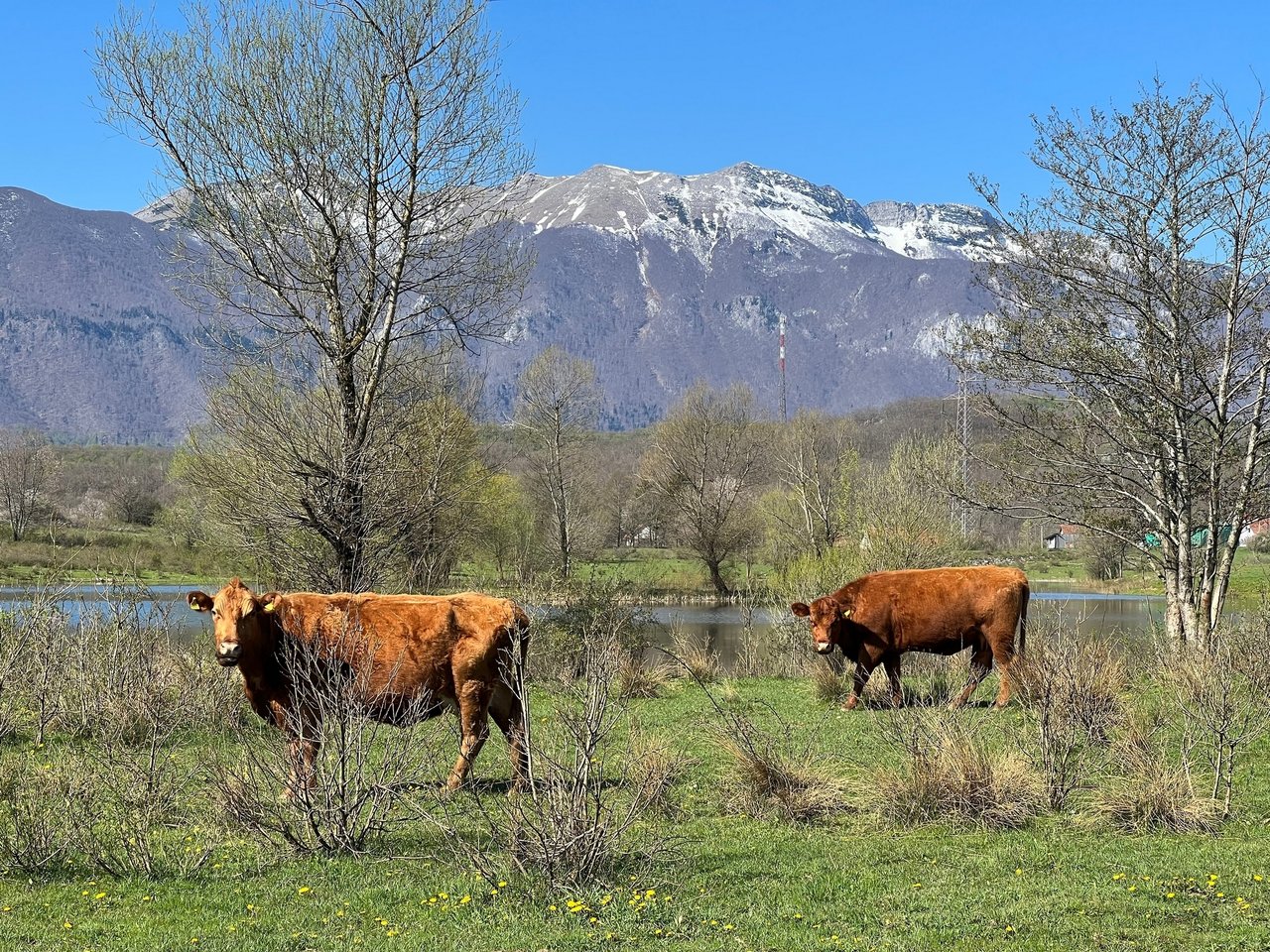
According to DZS data, total cow’s milk production fell by five percent, from 454.3 million liters in 2024 to 431.8 million liters last year. Thus, Croatia produced about 22.5 million liters less milk in just one year.

At the same time, the number of slaughtered cattle decreased by 5.7 percent, from 159 thousand to 150 thousand heads, although the overall growth of cattle increased by 3.3 percent. The number of calved calves increased by 0.9 percent, or about a thousand heads.

Pig farming records the largest decline

The most pronounced deterioration is recorded by DZS in pig farming. Pig growth in 2025 decreased by 10.6 percent, from 169,125 to 151,150 tons. The number of slaughtered pigs fell even more sharply. In Croatia, 1.366 million pigs were slaughtered in 2025, which is 16.1 percent less than the previous year when there were 1.628 million. The net weight of slaughtered pigs decreased by 14.8 percent.

A particularly notable decline is in the number of piglets. During the year, about 1.276 million piglets were born, which is as much as 193 thousand less than in 2024, representing an annual decline of 13.1 percent.

At the same time, both imports and exports of live pigs decreased. Imports fell by 15.5 percent, from 645 thousand to 545 thousand heads, while exports decreased by 1.4 percent. DZS also records a significantly smaller number of pig losses, by 18.4 percent, or about 33 thousand heads.

Fewer lambs and kids, but more slaughtered sheep

Negative trends were also recorded in sheep farming. The growth of sheep decreased by 5.3 percent, from 10,307 to 9,760 tons, while the number of lambs born decreased by about 23 thousand heads, or 5.7 percent. On the other hand, the number of slaughtered sheep increased by 6.2 percent, to 495 thousand heads, and the total net weight of slaughter increased by 6.5 percent. The production of sheep’s milk remained almost unchanged, with a decrease of 0.4 percent, but wool production fell by as much as 16.6 percent.

At the same time, the import of live sheep decreased by almost a third, or 31.9 percent, while exports fell by 78.6 percent. Goat farming did not escape the decline either. Goat growth decreased by 3.6 percent, and the number of kids born by 11.9 percent. The number of slaughtered goats fell by 15 percent, while goat milk production decreased by 5.7 percent, from 5.2 to 4.9 million liters.

Poultry goes in the opposite direction

While most livestock sectors are recording declines, poultry farming grew in 2025. Poultry growth increased by 8.8 percent, from 133,305 to nearly 145 thousand tons. The number of hatched chicks increased by 4.7 percent. Even better growth is seen in slaughtering. In 2025, 57.2 million pieces of poultry were slaughtered, which is about 5.1 million more than the previous year. This is an increase of 9.7 percent, while the total net weight of slaughtered poultry increased by 10.2 percent, to nearly 102 thousand tons. The import of live poultry decreased by 1.8 percent, and exports by 5.7 percent.

However, poultry farming does not have positive results in all segments. Chicken egg production fell by 4.3 percent. In Croatia, nearly 666 million chicken eggs were produced in 2024, and last year 637.5 million. This means that production decreased by 28.5 million eggs in one year.

The production of eggs from other types of poultry simultaneously increased by 9.3 percent, but these are significantly smaller quantities, from 642 thousand to 702 thousand pieces.

DZS data show a significant decline in several key segments of domestic livestock farming, but they do not necessarily mean that Croatia has increased its dependence on imports in the same proportion. On the contrary, imports of live animals decreased in most categories during 2025 as well. The import of cattle fell by nine percent, pigs by 15.5 percent, sheep by 31.9 percent, and poultry by 1.8 percent.

What DZS data clearly show is that 2025 was extremely unfavorable for domestic pig farming and that the decline in milk production continued, while poultry farming went almost completely in the opposite direction.

Tagged: