Home / Business and Politics / Nikolina Dizdar Čehulić: Our priority is to ensure the availability of medicines

Nikolina Dizdar Čehulić: Our priority is to ensure the availability of medicines

<p>Nikolina Dizdar Čehulić</p>
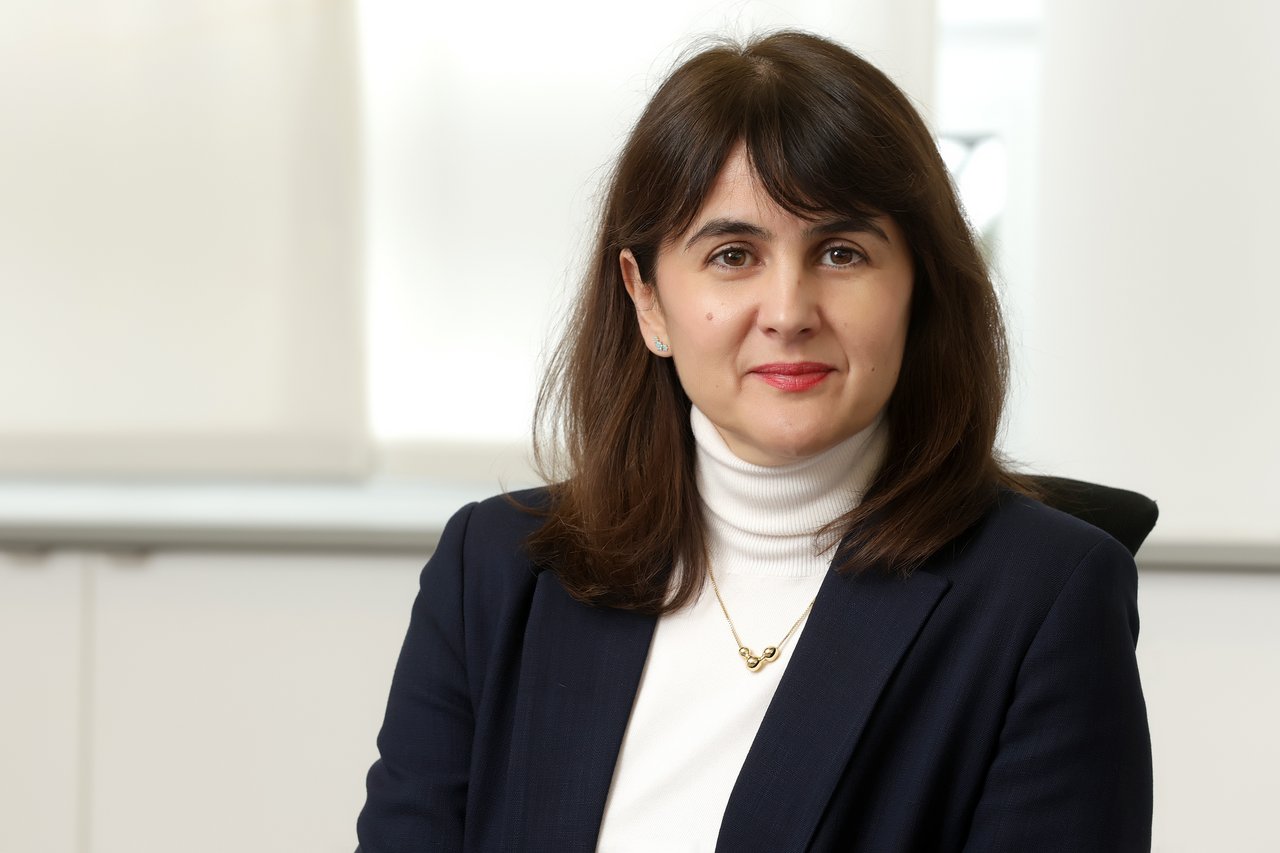
Nikolina Dizdar Čehulić / Image by: foto Ratko Mavar

The pharmaceutical industry is entering a period where investment decisions are increasingly made under the pressure of geopolitical changes, regulatory requirements, and disruptions in supply chains. Nikolina Dizdar Čehulić, CEO of PLIVA, emphasizes the importance of long-term investments, people development, and maintaining a strong manufacturing base in Europe in this context. She highlights business resilience and the secure availability of medicines to patients as key priorities.

In circumstances where changes have become a constant, investment decisions must be both long-term and flexible enough to respond to new market and geopolitical conditions. PLIVA continuously invests in development, new technologies, and strengthening its capacities, with Zagreb being one of the important research and development and manufacturing centers within Teva’s global network for many years. In 2027, our focus will remain on investments that enhance competitiveness, productivity, and business resilience in the long term. Geopolitical circumstances, regulatory frameworks, and supply chains are changing rapidly and require long-term planning as well as the ability to adapt quickly. Further integration of Croatia into the OECD is certainly a positive signal of stability and predictability in the business environment, which is important for companies making long-term investment decisions.


Equally important to our competitiveness are people. Technology and automation can help us be more efficient and productive, but they are not a substitute for knowledge and experience. Therefore, alongside digitalization and new technologies, we continuously invest in competency development, education, and creating an environment where employees can develop their careers in the long term. Technology can be purchased, capital can be secured, but a quality team does not form overnight. It is precisely the combination of knowledge, experience, and new technologies that enables us to successfully adapt to changes in the labor market.

At the same time, the pharmaceutical industry is highly globally interconnected, so any major change in trade relations, regulations, or supply chains has broader consequences. Our priority is to strengthen the resilience of supply chains and ensure the continuity of medicine availability to patients. Current geopolitical circumstances have once again demonstrated how important it is for Europe to have a strong domestic manufacturing base. Therefore, it is crucial to find a balance between ambitious public policies and maintaining industrial competitiveness. If we want a secure and stable supply of medicines, we must create conditions in which it will be sustainable to develop and produce medicines right in Europe,” concludes Čehulić.

Tagged: