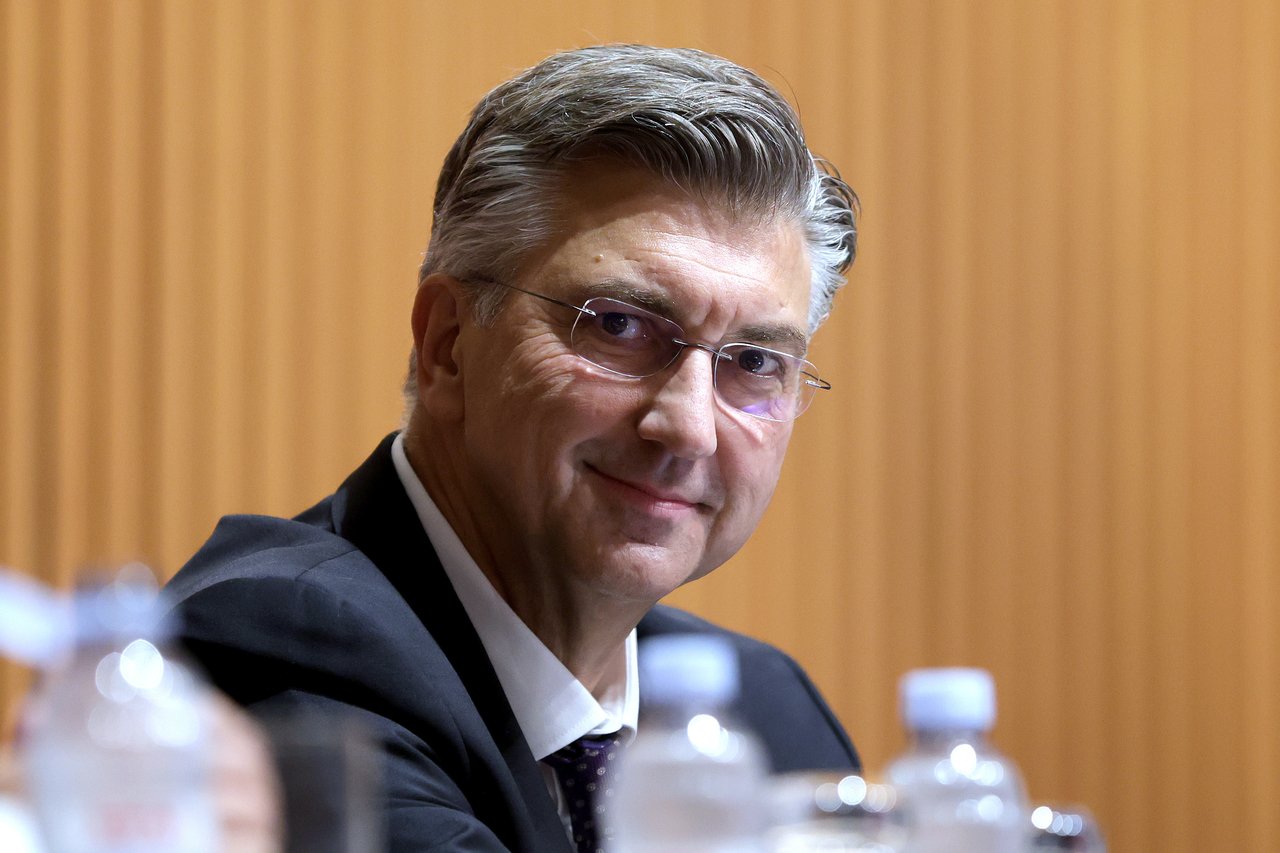
How much is the Prime Minister’s salary actually worth? The answer depends on whether one looks only at the number of euros on the payslip or compares that amount with the salaries of the citizens he leads. According to the latest data from the asset declaration, Croatian Prime Minister Andrej Plenković receives €8,598.78 gross, or €5,738.45 net per month. His annual gross salary, not counting any other income, amounts to just over €103,000.
However, the figure of nearly €8,600 does not say much until it is put into the context of the Croatian labor market. The average gross salary in Croatia in June 2026 was €2,184, while the average net salary was €1,555. The median gross salary was €1,850, and the median net salary was €1,345.
From this, it follows that the Croatian Prime Minister earns about 3.94 average gross salaries. When comparing his salary to the median, which often better reflects what a typical employee earns, the difference rises to 4.65 median gross salaries.
In other words, the average Croatian gross salary makes up just over a quarter of Plenković’s gross salary.
The difference is even more pronounced when comparing the Prime Minister’s salary with the minimum gross salary in Croatia, which for 2026 is €1,050. One monthly gross Prime Minister’s salary corresponds to approximately 8.2 minimum gross salaries. On a net level, the ratio to the average is somewhat smaller: Plenković’s €5,738.45 is approximately 3.7 average Croatian net salaries.
Data among countries, however, are not fully comparable. Some publish gross salaries, others net payments, and others total income with allowances and compensations. Therefore, ratios should only be compared within the same category – gross with gross, and net with net.
Albania: lower salary than in Croatia, but a larger gap
In Albania, the gross monthly salary of the Prime Minister is around 393,000 lek, or approximately €4,297 according to the exchange rate used in this comparison. Thus, the Croatian Prime Minister’s gross salary is nominally about twice as high.
When the Prime Minister’s income is compared to the salaries of the citizens of their countries, the ratio changes. The Albanian statistical office INSTAT reported that the average gross salary in the second quarter of 2026 was 92,150 lek, or about €1,008 per month. Thus, the Albanian Prime Minister earns approximately 4.26 average gross salaries, compared to 3.94 in Croatia.
Macedonian Prime Minister earns less than three average net salaries
According to publicly available data reported by Macedonian and regional media, the Prime Minister of North Macedonia Hristijan Mickoski receives a net salary of 140,450 denars, or about €2,283 per month.
The average net salary of an employee in North Macedonia in June 2026 was 48,381 denars, or about €786. The Prime Minister’s salary thus corresponds to approximately 2.9 average net salaries.
In Croatia, the same net ratio is about 3.7. Although the absolute income of the Macedonian Prime Minister is significantly lower, the difference between his salary and that of the average employee is also smaller.
Montenegro: Spajić received €2,061 in August
Montenegrin data offers a different type of comparison. According to data on the earnings of officials in the General Secretariat of the Government and the Prime Minister’s cabinet, Milojko Spajić was paid €2,061.40 in August 2026.
MONSTAT reported an average gross salary of €1,238 and an average net salary of €1,037 for July. When comparing Spajić’s reported monthly amount with the average net salary, it corresponds to approximately two average Montenegrin salaries.
Serbia is a special case
Serbia in 2026 offers probably the most unusual example in the region. According to data from the Serbian Anti-Corruption Agency reported by BBC in Serbian, under the function of Prime Minister Đura Macut, the net earnings column states zero dinars.
Macut performs the Prime Minister’s function without compensation, while simultaneously earning income from other professional engagements in medicine and academia, totaling more than 370,000 dinars, or about €3,151 per month.
This does not mean that the position of Prime Minister of Serbia is legally worth “zero dinars.” It is a decision and status of the current office holder, which is why it is not correct to place Serbia at the bottom of the ranking with an amount of zero dinars.