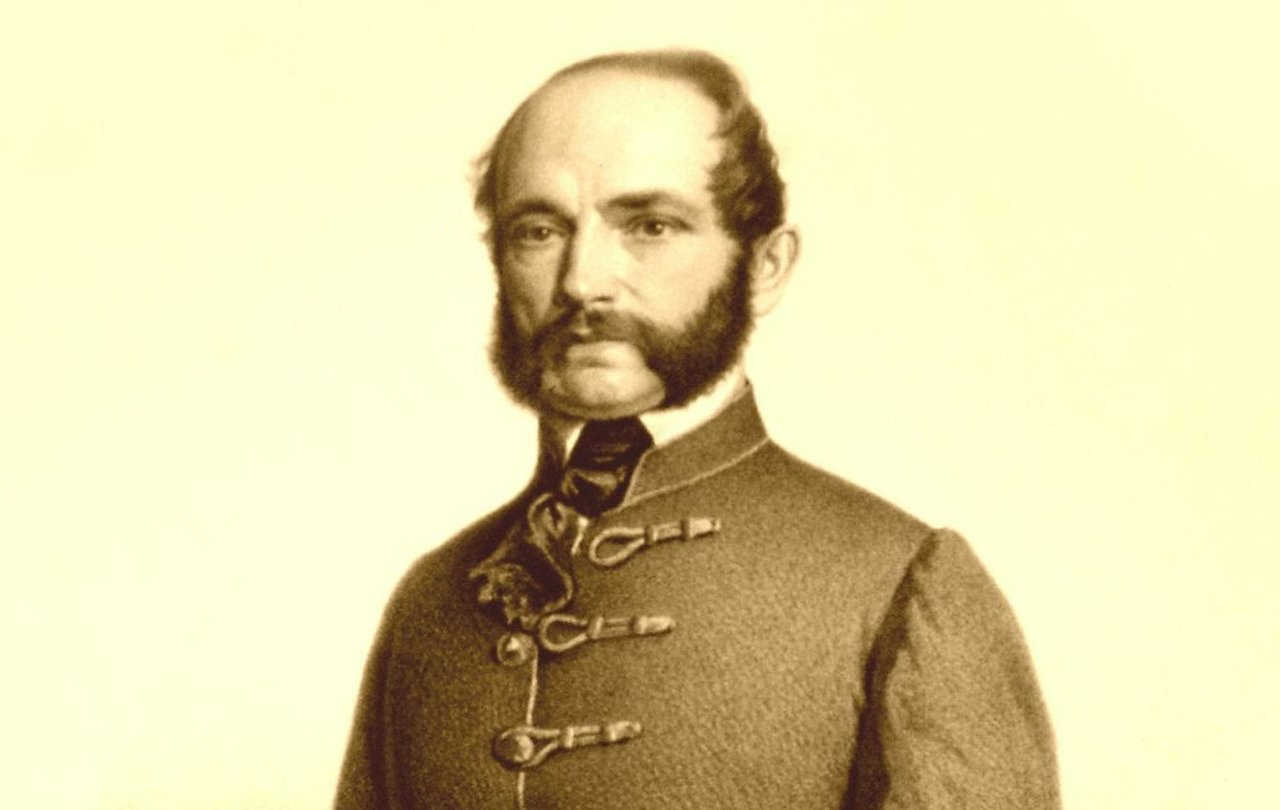
Ivan Mažuranić became the Croatian ban on September 20, 1873. He is remembered in history by the nickname ‘ban of the common people’. He did not receive this nickname due to his political program, but because of his origin. Mažuranić did not come from a noble family, but from a middle-class family from Novi Vinodolski. He was the only Croatian ban of non-noble origin.
However, this fact is important because it explains why his name is still remembered today. Mažuranić’s rise to the head of Croatia symbolized the penetration of the educated middle class into the top of political life. Of the ten bans who governed Croatia from his appointment until the dissolution of Austria-Hungary in 1918, all belonged to the nobility or aristocracy, so the nickname ‘ban of the common people’ remained permanently associated only with him.
A Turn Towards Modern Croatia
Even more important is what he accomplished in the position of ban. His seven-year banate turned into one of the most reformist periods in Croatian history of the 19th century. The responsibility of the ban to the Parliament was introduced, the administration and judiciary were separated, the independence of judges was strengthened, and the foundations of a more modern and efficient state administration were created. Historians consider Mažuranić’s period a turning point in the construction of modern civil Croatia.
A special place among his reforms is occupied by education. In 1874, compulsory primary education was introduced, and the same year saw the opening of the modern University of Zagreb. This made education more accessible to broader layers of the population, and Croatia gained institutions without which its cultural and scientific development is hard to imagine today.
The Episode with Croatia Insurance
Since 1874, Mažuranić advocated for the establishment of a Croatian insurance company. The central government delayed issuing a permit for ten years, so the Croatia insurance cooperative (today’s Croatia osiguranje) was established only in 1884. In the meantime, Ban Mažuranić resigned in 1880 due to delays in renewing the financial agreement and the annexation of the Military Frontier to Ban’s Croatia. The problem was in the distribution of taxes between Zagreb and Pest. Essentially, it is the same logic of the central government as in the case of establishing a domestic insurance company.