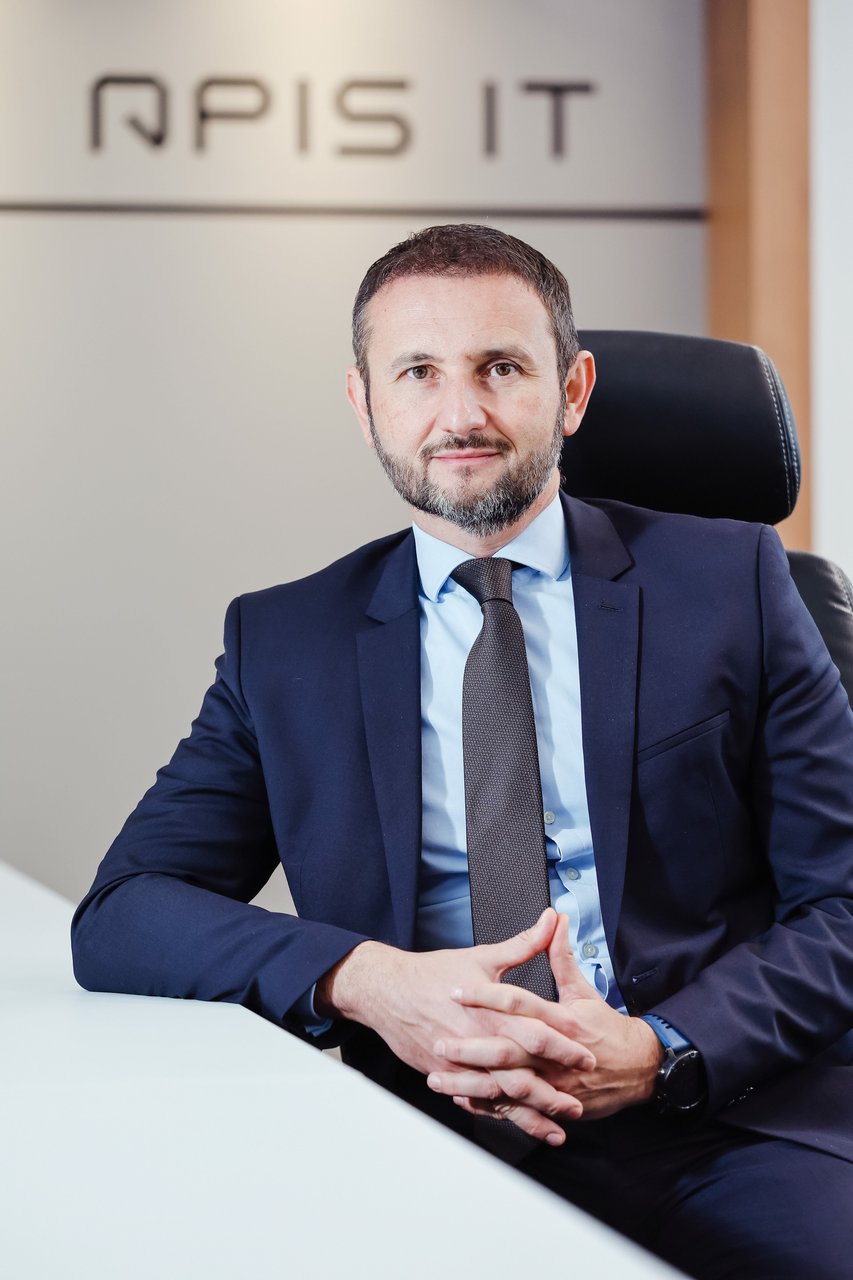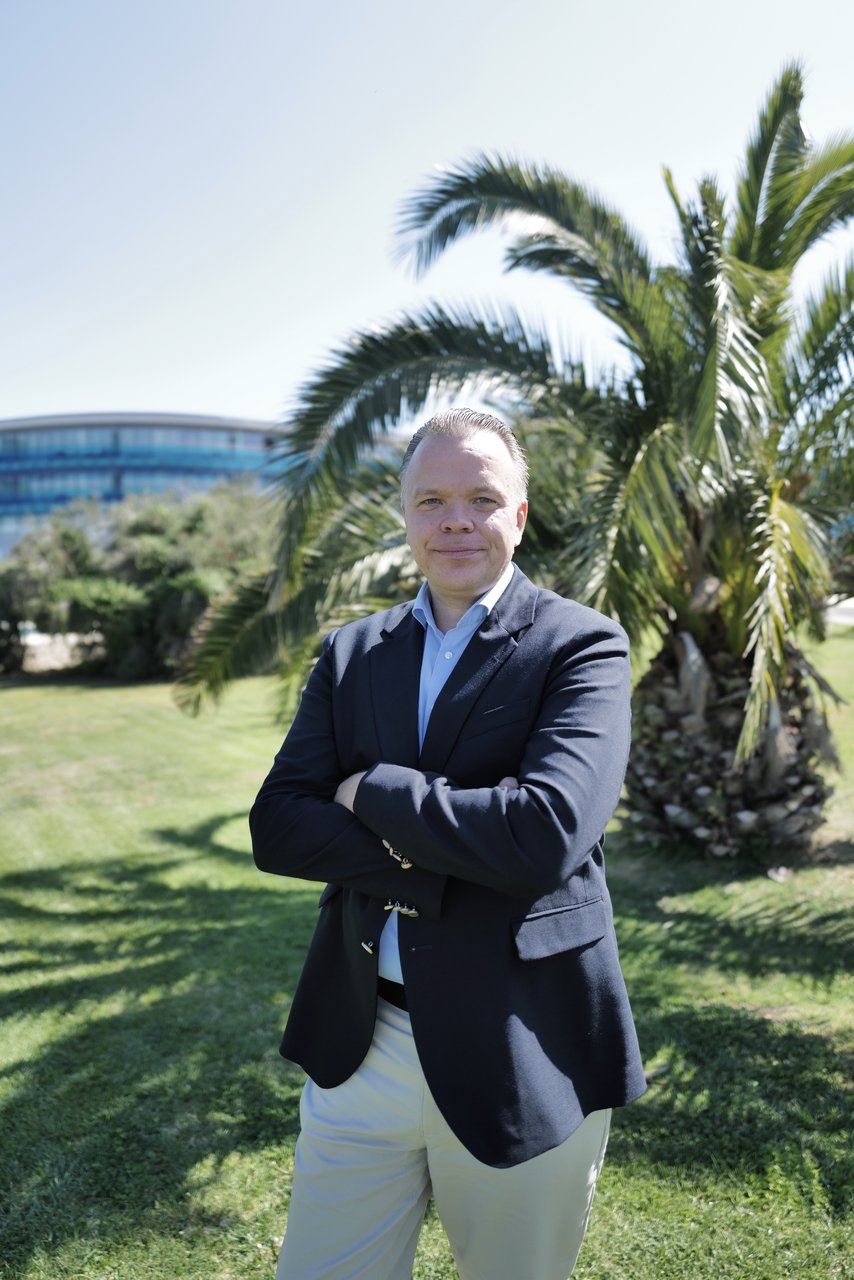
After more than two decades in international luxury hospitality, Andreas Feldhoff last year replaced the management of operations for 58 Marriott hotels in the Middle East with leading the Falkensteiner Punta Skala Resort near Zadar. Resort is part of the Falkensteiner Michaeler Tourism Group, a private group operating in six European countries and managing 27 hotels, three apartment complexes, and two premium camps. In Croatia, it manages five hotels, a five-star campsite, and premium apartments in the Zadar area and Krk. We spoke with Feldhoff about investments, profitability, extending the season, and his vision for developing the hotel business in Croatia.
After more than twenty years in international hospitality, why did you come to Croatia and what have you changed at Punta Skala?
– After many years at Marriott, where I last oversaw and supported the operations of 58 hotels in the United Arab Emirates, Oman, and Lebanon, I reached a point where I wanted to take full responsibility for one destination again and shape its future in the long term. At Punta Skala, I focused on clearer priorities, faster decision-making, clearer accountability, and, above all, building a very strong management team. I deeply believe that long-term success comes only when the people at the table are fully committed and working towards the same goal. In hospitality, people remain the decisive factor. We can build beautiful hotels and invest in top-notch facilities, but the guest experience is ultimately created by people. Therefore, I expect my team to be extremely selective in hiring. We want to attract and retain the best people we can find – those with the right attitude, ambition, and a sense of personal responsibility for the outcome.
After Aurora, the construction of Azure has been announced. What projects are we talking about?
– These are two phases of the same strategic direction: the development of Punta Skala from a classic resort into a fully integrated premium destination. Aurora Residences are apartments that have one to three bedrooms, fully integrated into the resort’s infrastructure. Owners have access to the facilities and services of a five-star hotel, from gastronomy and Acquapura Spa to the sports center and concierge service. Azura continues this logic. It includes six villas in the first row by the sea and 94 apartments distributed across seven buildings. The architecture is once again signed by the internationally renowned office Podrecca, and the interiors by Aggi Bruch. We want the entire peninsula to have one architectural language and one standard, rather than looking like a collection of individual projects from different periods.
What business model does Punta Skala aim to maintain profitability?
– The answer is: diversification. Resort like Punta Skala cannot build long-term profitability solely on the sale of hotel rooms in July and August. We increasingly view Punta Skala as an economic ecosystem. Accommodation is part of it, but so are restaurants, wellness, sports, MICE (meetings, incentive corporate travel, conferences, exhibitions, etc.), and residential business. The better these elements complement each other, the less we depend on the very short peak season. At the same time, profitability is not just a matter of occupancy. We look at the quality of revenue, the spending that occurs throughout the resort, and the costs of achieving it. A full hotel at the wrong price is not necessarily a successful hotel.
How does the leaseback model work, and how will you avoid seasonal empty apartment complexes?
– If the owner does not use the property, they can rent it out within our system and participate in the revenue, while we take over management, maintenance, sales, and distribution. Falkensteiner has been developing this model for about twenty years under the Premium Living brand, so we are not experimenting; we have experience with multiple destinations. There is genuine interest on our part, not just declarative: an empty bed is our lost revenue, not just the owner’s. A key difference is that these properties are not separate from the resort; they share its infrastructure, service standard, and international sales channels. Customer interest is stable and predominantly comes from international markets, and a significant portion of units is traditionally sold even before construction is completed.