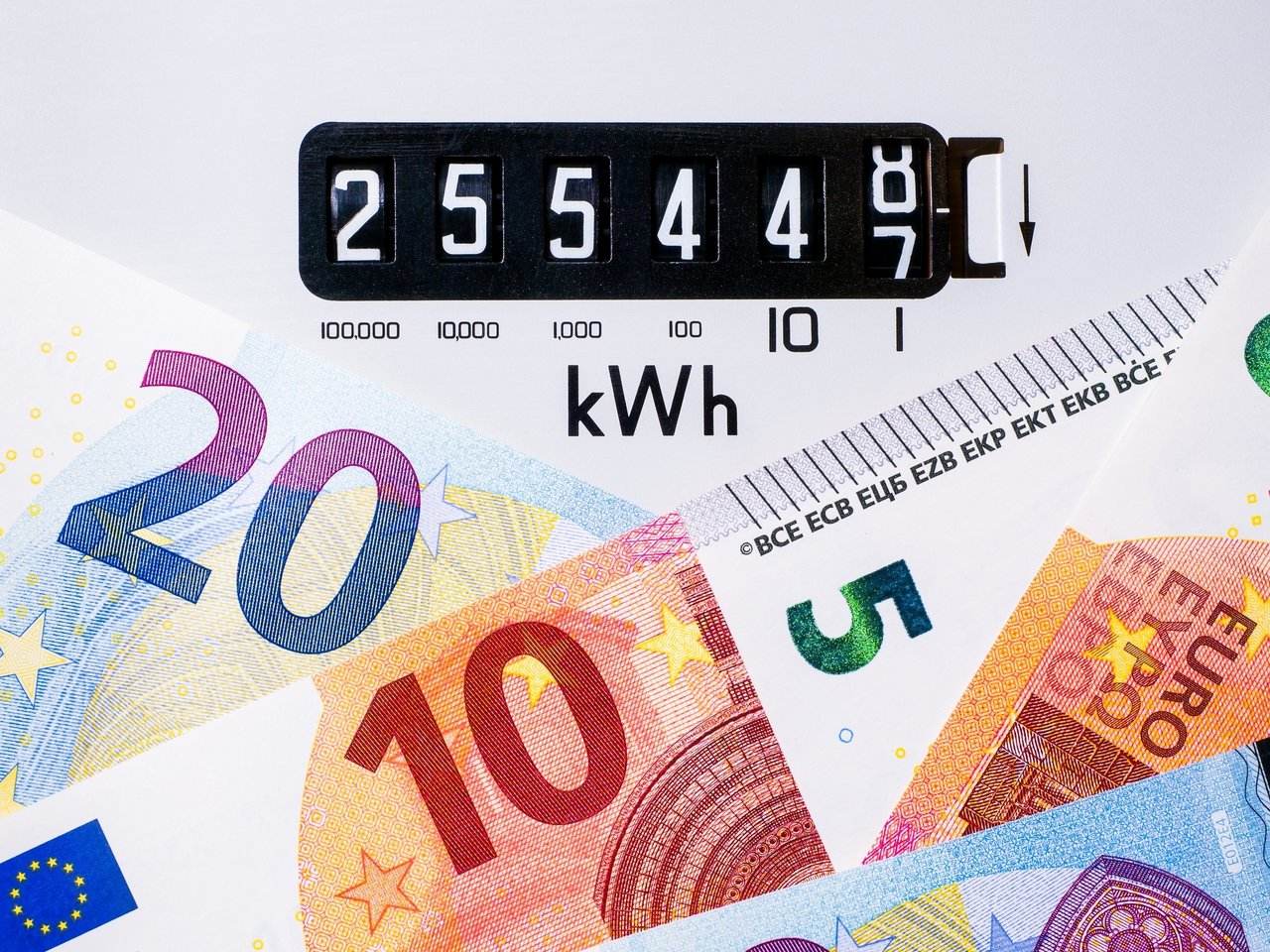
The previous ten times were clearly not enough to draw lessons, and neither will this time. This is the conclusion after the Government presented the eleventh anti-inflation package last week, worth an additional 260 million euros. Thus, the total amount injected from the budget to protect citizens’ standards has exceeded nine billion euros. In terms of total value, the eleventh package is one of the smaller ones, especially compared to those from 2022 and 2023, which were valued at around half a billion euros. However, in this autumn package, the Government allocated 170 million euros to limit the rise in energy prices, while in the spring, the tenth package allocated 101 million euros for that purpose.
Given the time that has passed, some conclusions can already be drawn about how meaningful these measures are. Short-term – they are. Estimates indicate that at the peak of the energy shock in 2022 and 2023, government assistance was responsible for reducing the inflation rate by two to three percentage points. If market prices for electricity and gas had been fully passed on to end users during those two years, inflation in Croatia would have exceeded 15 percent, even 16 percent, instead of the recorded peak of 13 percent.
Moreover, the escalation of business costs for small enterprises and the public sector has been prevented. All these advantages have their downside. Although domestic price growth is increasingly approaching the eurozone average, as noted by the Croatian National Bank, with an August rate of 4.1 percent, we are still at the European top when it comes to inflation. Let us also recall that last year we were among the four EU members with the highest price growth.
In the long term, the limited effect of government packages on the permanent stabilization of prices is evident. Over the past year and a bit, a whole range of domestic and foreign economists has warned that the Croatian government is, on one hand, limiting and, on the other, fueling inflation. Above all, with the almost celebrated increase in public sector wages, which sustains consumption. Precisely because of this high domestic, as well as tourist consumption, domestic companies are raising their margins. In this vicious circle, the latest decision to extend price anchoring to all products and services will likely prove to be like putting out a fire with a teaspoon of water. Especially in craft services, where it is a public secret that a large part of the turnover goes unaccounted for.