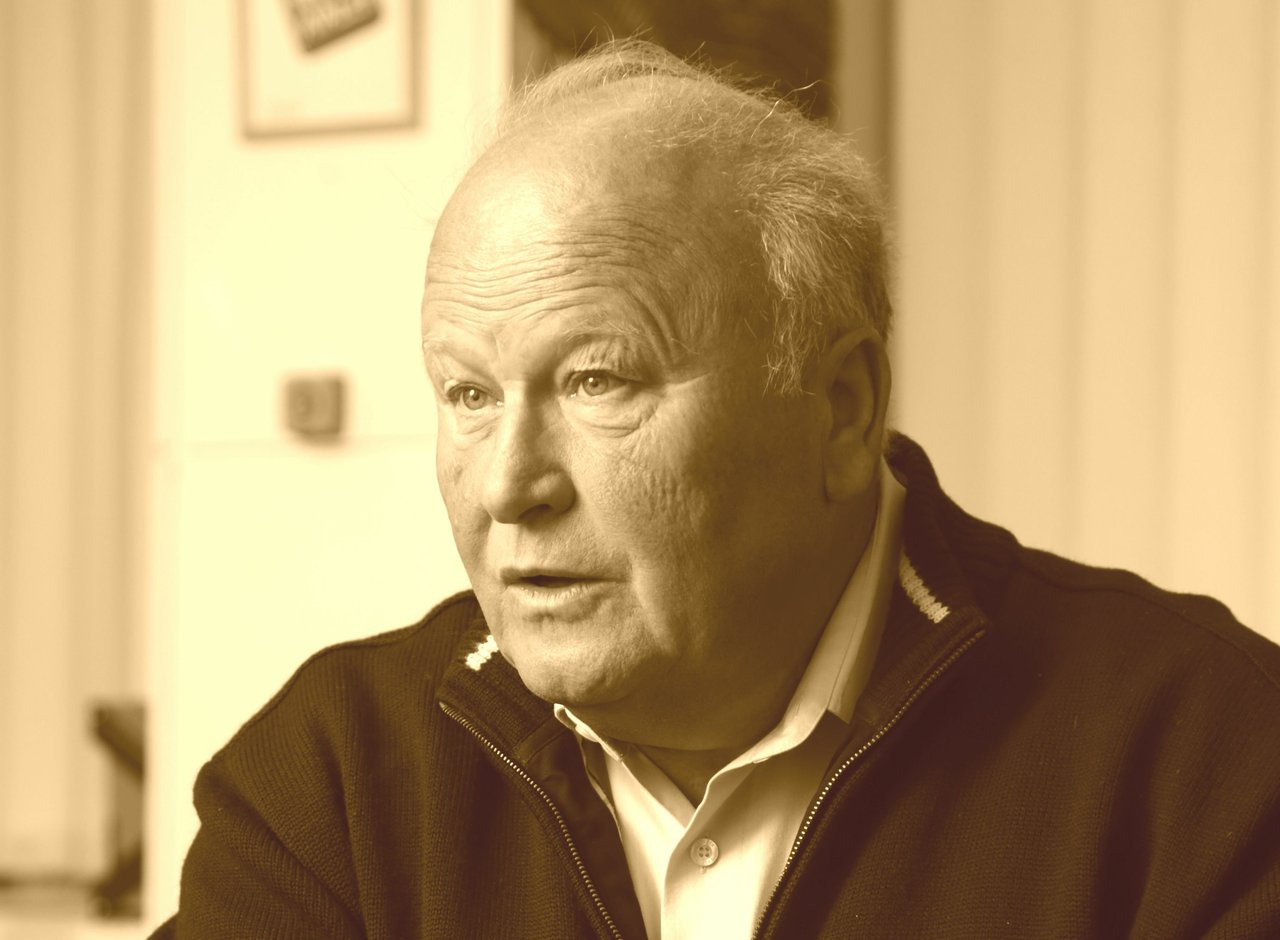
Slavko Linić was born on September 19, 1949, in Mikelji near Grobnik. It is no coincidence that after a decade-long tenure as mayor of the traditionally left-oriented city of Rijeka, he entered the government in 2000. He is certainly the strongest link between the two SDP governments, that of Ivica Račan and Zoran Milanović, but he too could not withstand two full terms.
He had to leave after spending a total of about six years and three months in two SDP governments, first as Deputy Prime Minister under Ivica Račan, and then as Minister of Finance in Zoran Milanović’s government. Coalition partner Radimir Čačić accumulated just under five years of ministerial experience under Račan and Milanović, while Neven Mimica had less than four years in two incomplete terms.
From the Refinery to the Head of Rijeka
An economist from Grobnjak began his career in the real sector. He was adept with numbers and quickly rose to the position of financial director of the Rijeka refinery. He entered politics in the pivotal year of 1990 as the president of the then Executive Council of the Municipality of Rijeka, and in 1993 he became the mayor of Rijeka.
Wide Powers Under Račan
As the most powerful Rijeka native, Ivica Račan appointed him as Deputy Prime Minister with broad powers: he coordinated economic sectors, participated in budget and economic strategy development, oversaw privatization processes, and negotiated with the IMF and the World Bank… He was one of the main architects of Račan’s government’s economic policy and participated in stabilizing public finances and reforms necessary for approaching the European Union.
The Zenith with Fiscalization
However, he experienced the peak of his political career as Minister of Finance in Zoran Milanović’s government. He will particularly be remembered for introducing fiscalization, which the government and most economists believe significantly narrowed the space for the gray economy and tax evasion. This regulation brought Croatia significantly closer to EU rules.
Controversies with Pre-Bankruptcies
However, he perhaps attracted even more public attention due to the introduction of the Law on Financial Operations and Pre-Bankruptcy Settlement. The aim was to allow companies in financial trouble to restructure without initiating bankruptcy. The idea was to reach an agreement between debtors and creditors within 120 days, with the active role of the state as the largest creditor.