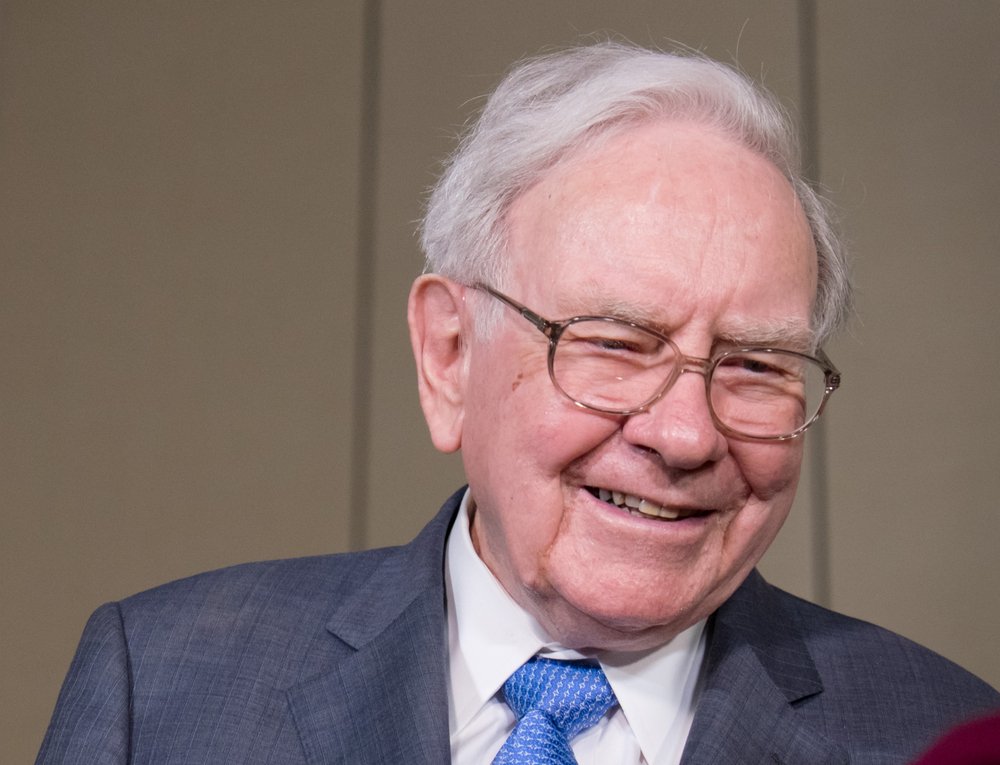
The generational transition at Berkshire Hathaway has been completed. The company announced on Friday that its founder Warren Buffett, at the age of 96, is immediately stepping down from the position of chairman of the board and transitioning to the role of honorary chairman.
He will be succeeded as chairman by his son Howard G. Buffett, a change that has been anticipated and gradually prepared for years. For Howard Buffett, this new role will also signify a significant change in his previous lifestyle. Although he physically resembles his famous father, his professional and private journey has been markedly different, characterized by intense philanthropic engagement, frequent travels, and daily work on his own agricultural estate.
No More Traveling
– I have been to about 155 countries and spend a lot of time traveling. I was in Ukraine five times in 2022, the same in 2023, and this year probably four or five times. Those are trips I will no longer take in the future – Buffett said in an interview with Yahoo Finance in 2024.
According to American business media, Howard Buffett (71) has long been considered the ‘guardian’ of the specific corporate culture of Berkshire Hathaway, which has been shaped over decades by Warren Buffett and his long-time business partner Charlie Munger. Warren Buffett has been at the helm of Berkshire Hathaway since 1965. During this period, the company has delivered its shareholders an annual stock price growth rate of 19.7 percent, double the average annual growth rate of the S&P 500 index.
The role of chairman is not merely symbolic. Today, Berkshire Hathaway is one of the largest and most complex business systems in the U.S., a trillion-dollar conglomerate with a portfolio that encompasses companies from a variety of sectors. Berkshire’s operations range from the railroad sector, where it holds a stake in Burlington Northern, one of the key American railroad companies, to the housing market, where it is present through modular home manufacturer Clayton Homes.