Home / Business and Politics / Trump Abolishes Biden’s Rules for Coal and Gas Power Plants

Trump Abolishes Biden’s Rules for Coal and Gas Power Plants

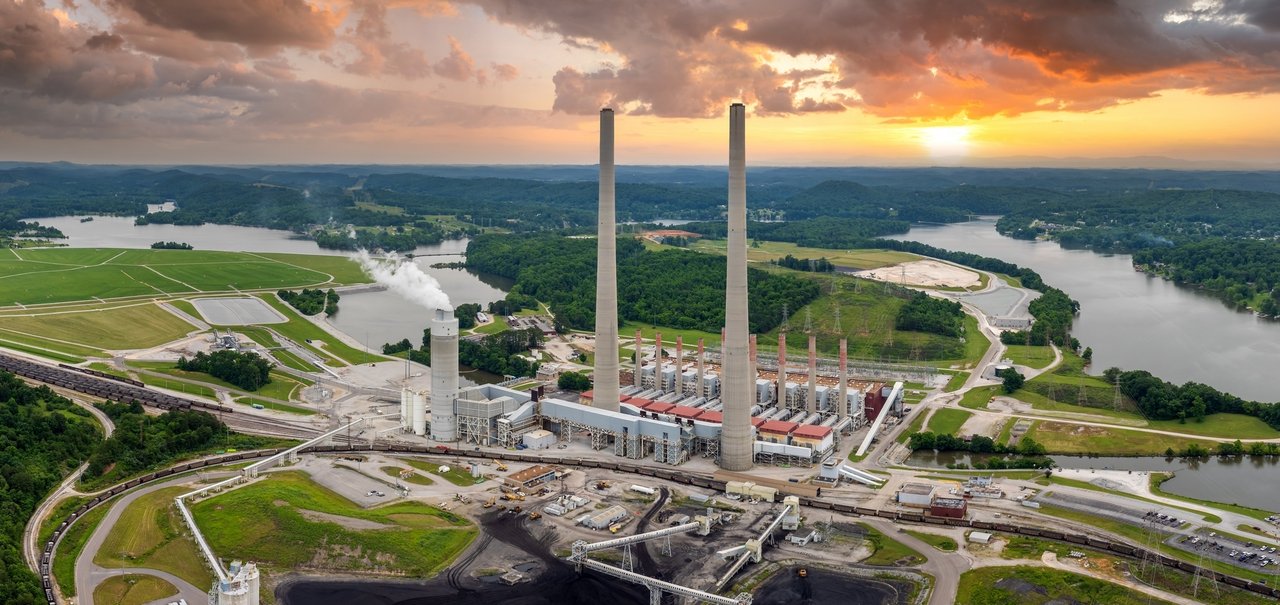
Image by: foto Shutterstock

The U.S. Environmental Protection Agency (EPA) has repealed most of the rules from the Joe Biden administration that limited greenhouse gas emissions from coal and natural gas power plants. At the same time, it has proposed the repeal of the remaining federal standards for greenhouse gas emissions from the electricity sector.

EPA Administrator Lee Zeldin announced the decision at a meeting of G20 energy ministers in Houston. The first part of the decision, which withdraws most of the rules enacted in 2024, is final, while the proposal to repeal all remaining standards must still undergo the required public comment period.

The EPA estimates that repealing Biden’s rules will reduce costs by about $310 billion, while the administration of President Donald Trump claims that previous regulations increased electricity production costs and jeopardized the reliability of the power system. This is an estimate from the EPA itself, not a realized reduction in costs.

– The fact is that America produces energy better and cleaner than anywhere else in the world, and our power plants should not be unfairly singled out as targets – said Zeldin.

The EPA argues that the rules from the Biden era exceeded the agency’s legal authority. According to the current administration’s explanation, they required power plants to implement technologies whose effectiveness and commercial viability were not sufficiently proven, which could have forced some plants to close.

Carbon Capture and Storage Not Working

The rules enacted in 2024 related, among other things, to the long-term operation of existing coal plants and heavily utilized new gas plants. For some facilities, carbon capture and storage (CCS) was proposed as one of the key solutions, with the goal of reducing CO2 emissions by 90 percent. Biden’s EPA at the time claimed that the technology was sufficiently developed and economically viable, while the current EPA administration disputes this.

The new decision directly relates to greenhouse gas emissions, primarily carbon dioxide. This does not mean an automatic repeal of all U.S. regulations concerning conventional pollutants from power plants, such as mercury and other hazardous substances in the air. Zeldin stated that protective measures for hazardous pollutants will remain in place to protect human health.

The EPA claims that the potential health impacts of greenhouse gas emissions from U.S. power plants are too indirect and uncertain to be specifically linked to the U.S. electricity sector. This is one of the key justifications the agency is now using to support a broader proposal that the EPA should not regulate greenhouse gas emissions from power plants based on the existing Clean Air Act.

Environmental organizations and some experts strongly contest this interpretation. Nathaniel Keohane, president of the Center for Climate and Energy Solutions, called the decision a ‘major step backward’.

– By repealing the carbon emissions standards from power plants, the EPA has disregarded reliable science and economic analysis and has abandoned its responsibility to protect public health and welfare – Keohane stated.


Largest Polluters After China

It is currently impossible to precisely determine the actual impact of the decision on U.S. emissions and global climate change. The U.S. electricity sector emitted about 1.49 billion tons of carbon dioxide related to energy production in 2025, and total U.S. CO2 emissions from fossil fuels are estimated at about five billion tons annually, placing the U.S. just behind China among the largest national sources of these emissions.

Emissions from the U.S. electricity sector have generally declined over the past decades, partly due to reduced electricity generation from coal and a shift to natural gas and renewable sources. However, they rose again in 2025. The U.S. Energy Information Administration states that the reasons were higher demand for electricity and a larger share of coal in production compared to 2024.

Trump has long advocated for greater use of American coal and the expansion of domestic fossil fuel production. However, the repeal of regulations does not necessarily mean that coal plants will return to the extent that the administration desires. Their future share will also be influenced by fuel prices, rising electricity consumption, the costs of building new plants, and competition from other energy sources.

An important part of the story is also the U.S. Supreme Court’s decision in 2022 in the case of West Virginia v. EPA. The court did not rule that the EPA cannot regulate greenhouse gas emissions from power plants at all. However, it concluded that the agency lacks the authority to use one provision of the Clean Air Act to impose a broad change in how the entire electricity system generates power, i.e., a shift from one energy source to another. This has significantly narrowed the scope for certain types of climate regulation by the EPA.

Withdrawal of Remaining Standards

The Trump administration took another important step in February of this year. The EPA then withdrew the so-called ‘endangerment finding’ from 2009, an administrative finding that concentrations of greenhouse gases threaten public health and welfare. This finding was a key legal basis for regulating greenhouse gas emissions from motor vehicles. On February 12, 2026, the EPA also repealed federal greenhouse gas emissions standards for vehicles along with it. This decision is already the subject of legal disputes.

Now the EPA is attempting to take a similar step in the electricity sector, proposing to withdraw the remaining standards and legal findings on which the regulation of greenhouse gas emissions from power plants is based, in addition to the already repealed Biden rules.

However, this does not mean that a future U.S. administration would be literally prohibited from attempting to regulate these emissions again. The new legal framework is expected to make such a move significantly more difficult, and the ultimate scope of the EPA’s authority will likely be determined again by the courts. Environmental organizations have already announced legal challenges, while the new proposal will undergo a 45-day public comment period.

Tagged: