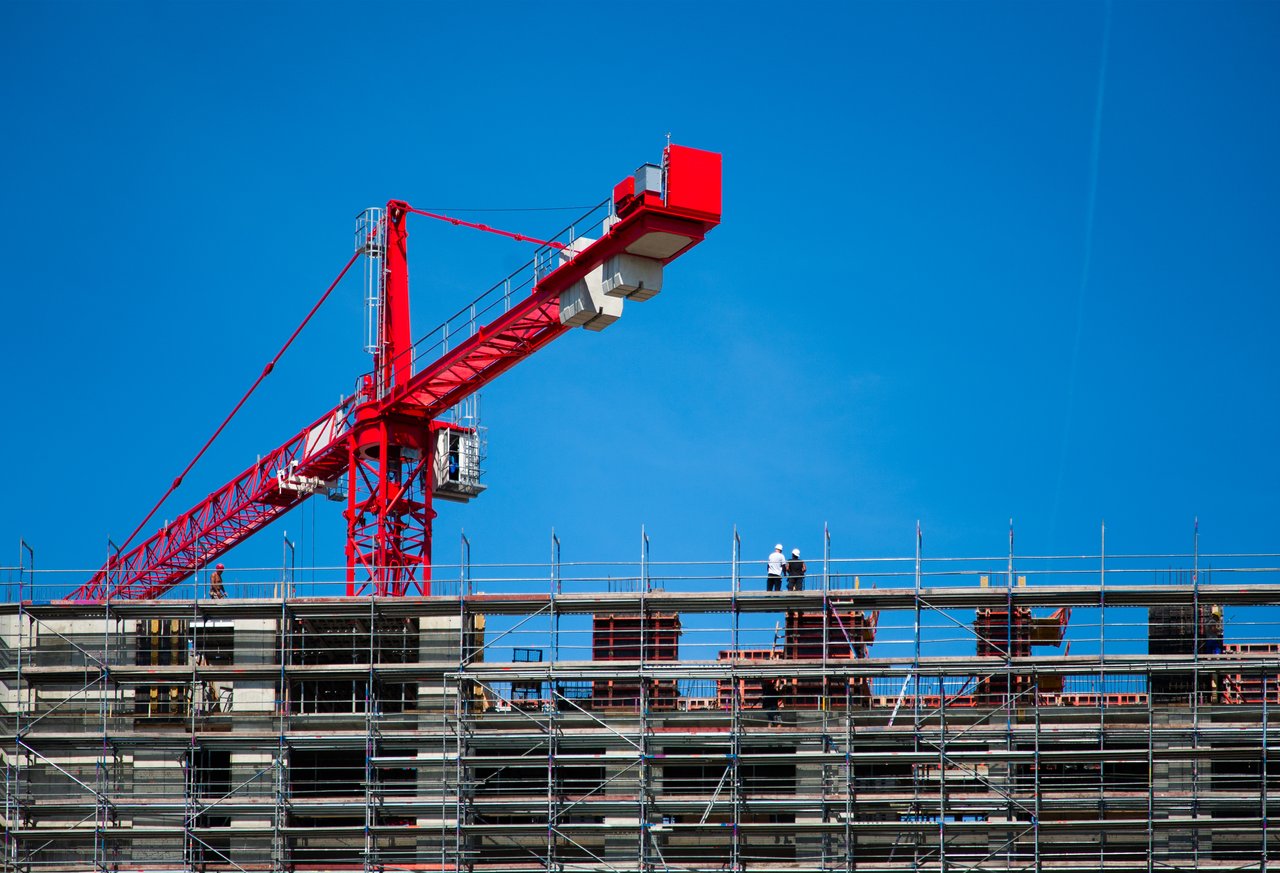
In the first six months of 2026, according to DZS data, 5,083 permits were issued and the construction of 8,902 apartments is planned. Last year, in the same period, 5,932 building permits were issued for the construction of 10,427 apartments. Thus, there is an evident decline in issued permits this year by 14.3 percent and a decrease in the number of apartments by 1,525 compared to the same period in 2025, which is a decline of approximately 14.6 percent.
However, everything can change, and one should not immediately conclude that a decline in construction activity is imminent, although the latest data, from the second quarter of this year, suggest that some changes may be on the horizon. Namely, the value of the work has not decreased; on the contrary, in the first six months, it increased by 12.8 percent compared to the same period last year, and in the second quarter, this value increased even more compared to last year’s second quarter – by 13.5 percent.
Nevertheless, this increase in value can largely be attributed to rising construction prices since the volume of construction work has grown significantly slower – in the second quarter by 3.1 percent, and in the first half of the year by 2.8 percent. The nominal growth in the value of work is also influenced by the structure of the completed work and higher construction costs. After all, the prices of construction materials in June were four percent higher than a year earlier.
However, what may concern entrepreneurs, or at least emphasize the need for caution, is the DZS data that in the period from April to the end of June this year, the value of new orders fell by 4.3 percent compared to the same quarter last year, although at the level of the entire first half of the year, it was still four percent higher than a year earlier.
Slow Administration
This data for the second quarter, combined with the decline in issued building permits in the first six months of this year, was sufficient reason to ask construction entrepreneurs if something is happening in the market.
Marko Akmačić, head of the Residential Construction Department at MDK Građevinar, believes that the decline in the number of issued building permits should not necessarily be interpreted as a direct indicator of declining investor interest in new residential construction. One of the reasons for the decline in the number of issued building permits is the increasingly slow and complex administrative procedures that precede the actual start of construction.
– From our experience, the procedures for obtaining the necessary permits have become more time-consuming in recent years, while at the same time, some competent authorities have limited staffing capacities relative to the number of cases they handle. In addition to the issuance of the building permit itself, investors go through a series of preliminary procedures, obtaining special conditions, approvals, confirmations, and other documentation, which is why the preparatory phase of the project can take significantly longer than optimal – says Akmačić.
He adds that several factors have influenced the predicted number of apartments, specifically 1,525 fewer apartments in the first six months of this year. In addition to administrative deadlines, the dynamics of launching new projects are influenced by the prices of construction land, construction costs, the availability of quality labor, financing conditions, and increasingly demanding technical and regulatory standards. Investors, therefore, he adds, analyze projects in more detail before launching them and more cautiously determine the dynamics of new investments.
It is possible that some of these factors contributed to the decline in the value of new orders in the second quarter by 4.3 percent. However, Akmačić emphasizes that the demand for quality new constructions still exists, which is not disputed; it is just a question of whether buyers will indeed ‘hit the brakes’ harder. The interlocutor himself states that buyers today are more informed and cautious, and in addition to the location, price, and quality of the apartment, they are increasingly paying attention to who is behind the project.
Plans Remain the Same
– In this regard, the experience of the investor, previously realized projects, quality of execution, adherence to deadlines, and the relationship with customers after the completion of construction are observed. We believe that this is a positive direction for market development as it further encourages the professionalization of the entire industry and gives a long-term advantage to investors who continuously invest in quality and build customer trust – says Akmačić.
The trend of declining building permits and the value of new orders, for now, he says, does not affect the plans of MDK Građevinar. In that company, they have not revised them; moreover, he claims, there are more projects in various stages of development, and they continue to prepare new residential investments.