Home / Business and Politics / End of the Free Market: EU Takes Control of Raw Materials Due to China

End of the Free Market: EU Takes Control of Raw Materials Due to China

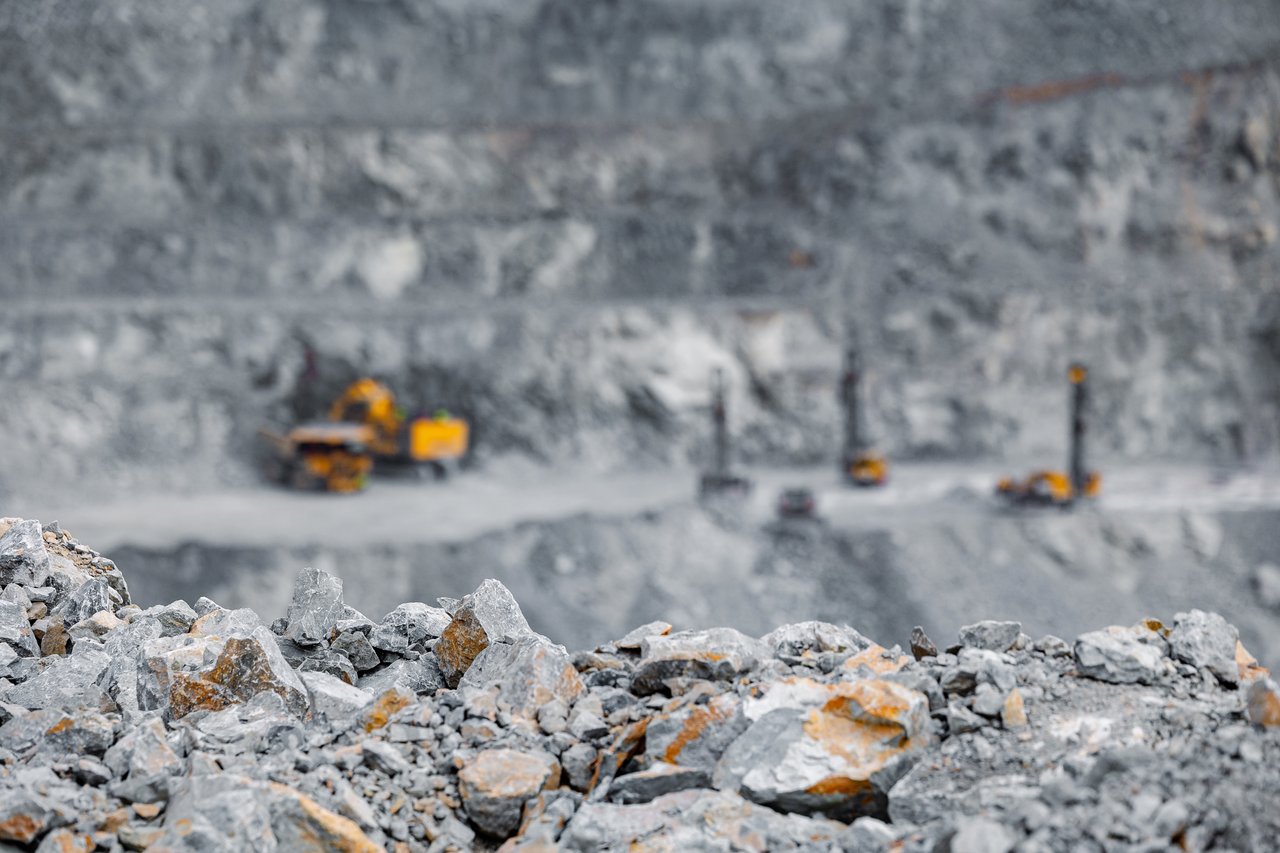
<p>Industry open pit mine for extraction of gold, copper and iron using big yellow truck industrial machines.</p>
Industry open pit mine for extraction of gold, copper and iron using big yellow truck industrial machines. / Image by: foto Shutterstock

European Commission President Ursula von der Leyen announced the establishment of the European Corporation for Critical Raw Materials in her State of the Union address. According to the Commission President, Brussels is preparing a new system for joint procurement and strategic stockpiling of critical raw materials.

Dependence is too expensive

Europe is almost entirely dependent on China for some materials essential for batteries, chips, electric motors, and the defense industry, and no longer wants to wait for the next geopolitical crisis to reveal how costly this dependence is.

Until now, we have been stockpiling, but these reserves mainly concerned energy sources, oil, and gas, and now we will create reserves of metals and minerals.

This move is not only a novelty but also represents a dramatic shift in the economic paradigm of the European Union. Instead of relying exclusively on the free market, the EU is turning to elements of state capitalism to ensure the survival of its industry due to China.

Beijing currently controls over 80 percent of global processing of key raw materials, while for certain rare earths, this share in imports for the EU reaches an alarming 97 percent. Having learned from energy blackmail with Russian gas, Europe no longer wants to leave its technological future to the mercy of geopolitical rivals.
Market Participation

If we are to judge by what von der Leyen announced in her speech, the new corporation will not be solely a regulator but will operate in the market through the aggregation of production, stockpiling, and long-term contracts with suppliers.

Following the successful EU platform for joint gas procurement, the corporation will thus consolidate the needs of European manufacturers (e.g., battery and chip manufacturers), and a larger purchase volume will enable better prices and greater negotiating power in the global market.

In addition, the EU plans to form physical reserves of metals that will serve as a ‘buffer’ in the event of sudden export restrictions by third countries or any disruptions.

Another novelty is that the EU will sign long-term contracts for the purchase of raw materials, which is expected to encourage, as hoped in the Commission, the opening of new mines and processing plants outside of China, especially on the African continent.

Tagged: