After realizing that oral warnings from professors are insufficient and that students skillfully find ways to secretly use artificial intelligence in their academic work, many global educational institutions have decided to take matters (or, more accurately, return them) into their own hands and clearly define how and for what students may, and may not, use AI during classes and exams, as well as explain the consequences of violating these rules.
For example, for the upcoming academic year, the Columbia Law School in New York has explicitly prohibited students from using artificial intelligence in exams, when drafting legal arguments and conducting legal analysis, as well as in writing texts, although they can still use its tools as assistance in learning and understanding, researching, and correcting grammatical errors. In their explanation, Columbia University emphasizes that they are aware of the rapid development of technology, but that through their rules among law students, they aim to encourage critical thinking and independent judgment.
Similarly, some European universities have already taken this path, but such official documents are still rare at Croatian universities, and the use of artificial intelligence is mainly regulated by recommendations and guidelines from professors, varying from faculty to faculty. However, one of the few Croatian educational institutions that has translated recommendations for using AI into explicit rules for students is the Zagreb School of Economics and Management, which has adopted the Regulation on the Use of Artificial Intelligence in Teaching and Student Work.
Early Adopters
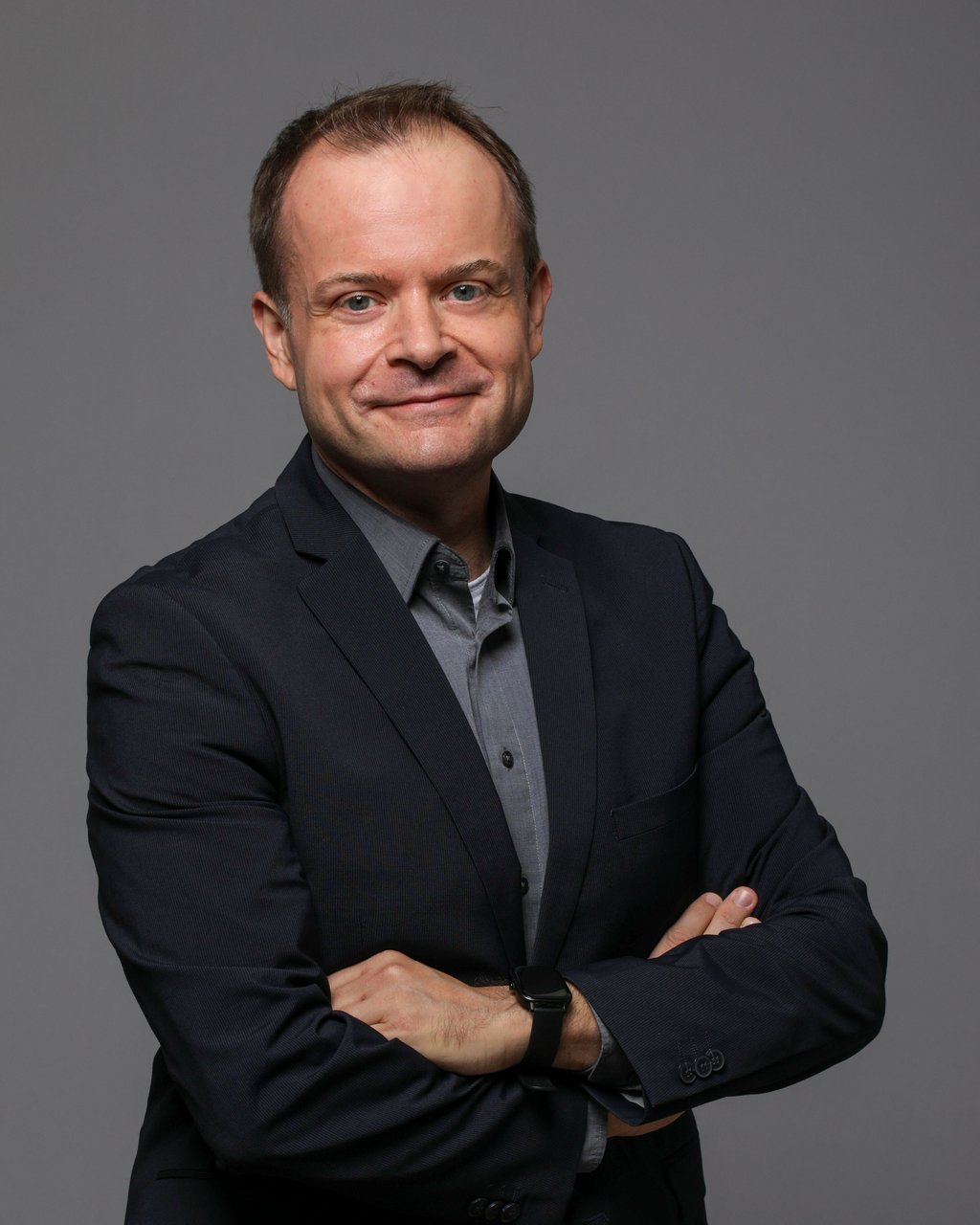
As explained by the Vice Dean of ZŠEM’s undergraduate studies, Goran Oblaković, their goal is to promote responsible use of artificial intelligence in initial research, analyses, and idea exchanges.
– Of course, any presentation of a text written with the help of artificial intelligence as one’s own, student work is academic fraud, or plagiarism. AI must not replace original thought, critical analysis, or academic research. Every use of AI should be transparent and cited in accordance with academic citation guidelines – notes Oblaković.
Interestingly, ZŠEM has noticed that there are fewer below-average seminar papers from students, but at the same time, the percentage of excellent papers has not increased. This shows that AI can help to some extent, but, as Oblaković points out, ‘it cannot replace original thought and critical thinking’.
– All courses at ZŠEM have always had an oral component for assessment, but since the emergence of AI, we have intensified oral examinations – he adds.
Algebra Bernays University has also adapted its knowledge verification methods due to artificial intelligence, as they believe that due to the development of this powerful technology, it is even more important to clearly define learning outcomes. There, however, no regulation has been adopted, and the use of artificial intelligence tools is not completely prohibited for students. However, as they explain, the student must be the author of the work they submit and must be able to explain, argue, and defend its content.
– Our approach is not aimed at a complete ban on the use of AI tools, but at clearly distinguishing their permitted use from situations where artificial intelligence replaces the independent academic work of the student. AI tools can be used as assistance, but not for writing the work or parts of the work that the student then presents as a result of their own thinking. The question of source reliability is also particularly important. An AI tool is not a scientific source, and the student remains responsible for verifying all facts, references, and conclusions included in their work – they explain from Algebra Bernays.
In this regard, exams now require students not only to provide a correct answer in content but also to show how they arrived at that answer and why they believe a particular solution is justified.
– A specific example of adaptation is that we have limited the possibility of using AI tools in part of the exam, even when the student is allowed to use certain official documentation or other predefined sources. This way, we want to make a clear distinction between the ability to find, understand, and apply relevant professional sources and leaving the task-solving process to a generative AI system – they add.
In doing so, they do not seek to ‘outsmart’ artificial intelligence in knowledge verification, as they say this would quickly become unsustainable.