Home / Business and Politics / Vuk Vuković: From a $70 Million Fund to Arrest – What’s Next?

Vuk Vuković: From a $70 Million Fund to Arrest – What’s Next?

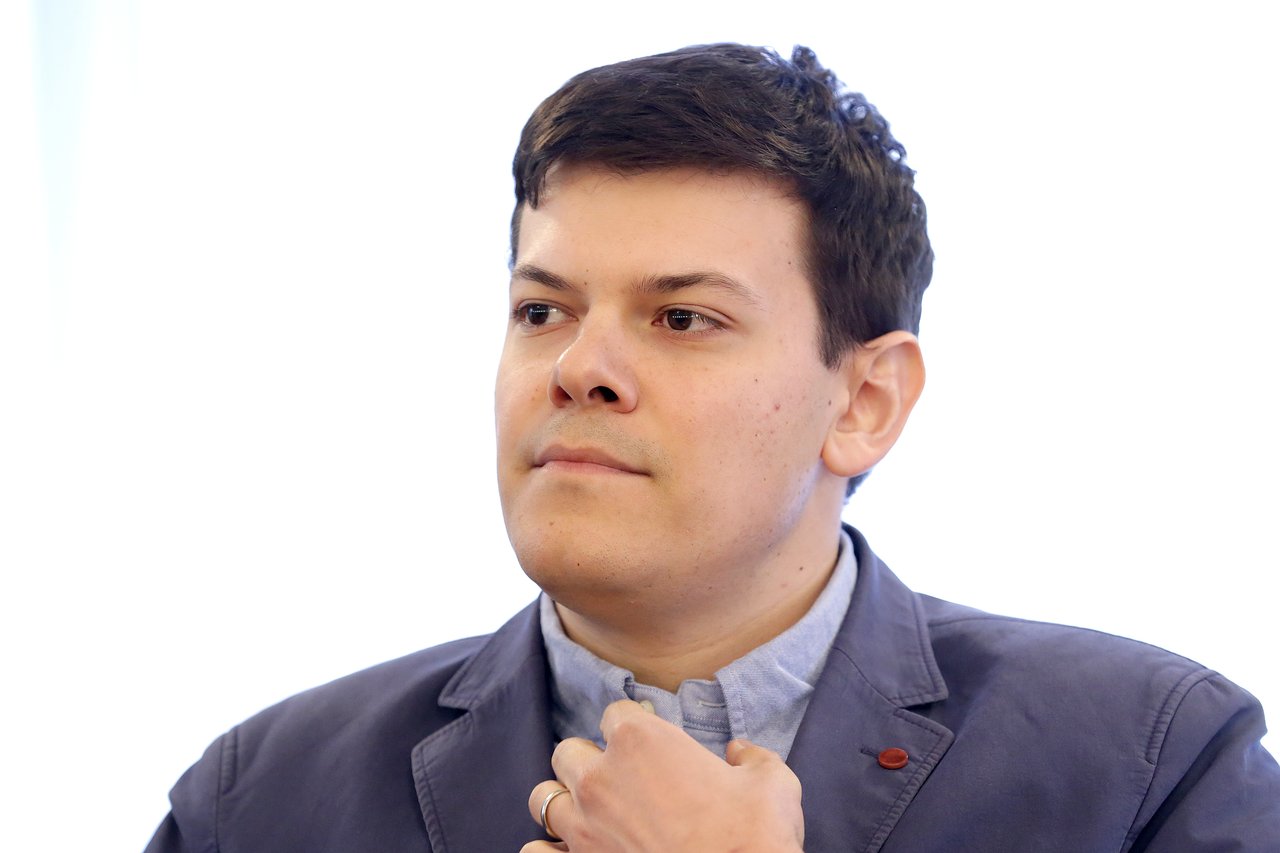
Image by: foto Ratko Mavar

As Croatian economist Vuk Vuković faces U.S. criminal proceedings for allegedly presenting investors with better results from the ORCA BASON hedge fund than were actually achieved, data from U.S. registries reveal how much his investment business has grown in the meantime.

ORCA BASON reported to the U.S. Securities and Exchange Commission (SEC) in September 2025 that it sold shares worth $46 million to a total of 76 investors, with a minimum investment of $100,000. Just a year prior, the reported value of sold shares was $14.6 million, and the fund had 48 investors. The reported amount of sold shares thus more than tripled in just one year.

These figures come from Form D, which notifies the SEC of a private offering of securities, so that $46 million should not be equated with the fund’s net asset value at that time.

However, a few months later, Vuković publicly spoke of an even larger amount. In April of this year, in a podcast with U.S. RCM Alternatives, he stated that the fund began trading in February 2023 with about $700,000 in assets under management and that it grew to $70 million in two and a half years. He also claimed that they raised about $20 million solely through investment conferences iConnections in New York, Singapore, and Miami.

The SEC has already investigated the fund

The timeline is particularly interesting. Vuković signed the SEC report with the figure of $46 million in sold shares on September 8, 2025, and according to a now-released FBI document, the SEC had already begun investigating Oraclum around the same time. Just two days later, on September 10, the regulator requested documentation from the company via an official order, including data on the fund’s monthly results.

A comparison of the data provided by Oraclum to the SEC with the records of the independent fund administrator subsequently showed, according to the FBI, significant discrepancies in the returns presented to investors. Doubts about the accuracy of these reports are now one of the foundations of the criminal proceedings.

The U.S. prosecution charges Vuković with securities fraud and fraud via electronic communications. The legal maximum for each of these offenses is 20 years in prison, but the U.S. Department of Justice emphasizes that these penalties are only legal maximums and that any eventual sentence is determined by the court.

Formal charges are yet to follow

It is important to note that Vuković has not yet been charged with a formal indictment from a grand jury. The proceedings were initiated based on an initial criminal filing, known in the U.S. system as a criminal complaint, which presented the suspicions and based on which an arrest warrant was issued. The document was initially non-public, and the U.S. prosecution released it after Vuković’s arrest. Vuković was brought before federal judge Jennifer E. Willis in Manhattan.


The next important step is usually the proceedings before the grand jury, which decides whether there is enough basis to bring formal charges against the suspect.

According to the U.S. Speedy Trial Act, the prosecution generally has 30 days to file formal charges after the arrest, although the law provides for circumstances under which certain periods are not counted in that timeframe.

If formal charges are not filed before then, a preliminary hearing may be held where the prosecution must show that there is enough basis to continue the criminal prosecution. This hearing must generally be held within 14 days of the first court appearance if the defendant is in custody, or 21 days if they are at liberty. The defendant may waive this hearing, and it becomes unnecessary if the grand jury files charges beforehand.

After any potential indictment, a hearing follows where Vuković will plead guilty. This is followed by the exchange of evidence between the prosecution and defense, possible defense motions to the court, and negotiations regarding a potential plea agreement. If no agreement is reached, the case may end up going to trial before a jury.

A separate SEC proceeding is also possible

The criminal case does not have to be the only proceeding related to Oraclum’s operations. The SEC has cooperated with U.S. law enforcement in the investigation, but has not publicly announced that it has initiated a separate proceeding against Vuković or Oraclum for violations of capital market regulations.

The SEC can independently initiate proceedings in federal court or an administrative proceeding regardless of the criminal case. In such cases, it can seek, among other things, an injunction against further violations, monetary penalties, and the return of unlawfully obtained profits, and the collected money in certain cases may be directed to affected investors.

One of the biggest open questions remains the actual scope of the alleged fraud. The now-released FBI document provides specific examples of disputed reports but does not state the final number of investors that the prosecution believes were harmed or the total amount of potential damages.

This is particularly important for Croatian investors. Hanfa previously determined that around a hundred of its members, mostly small investors from Croatia, invested in ORCA BASON through the Cooperative Voice of Entrepreneurs 2.0. From the U.S. documents released so far, it cannot be determined whether their investments and reports are covered by the FBI’s allegations.

More answers could come from a potential formal indictment: it could more precisely show how many investors are involved in the U.S. case, what amount of money the prosecution associates with the alleged fraud, and whether investors from Croatia are included in that circle.

Tagged: