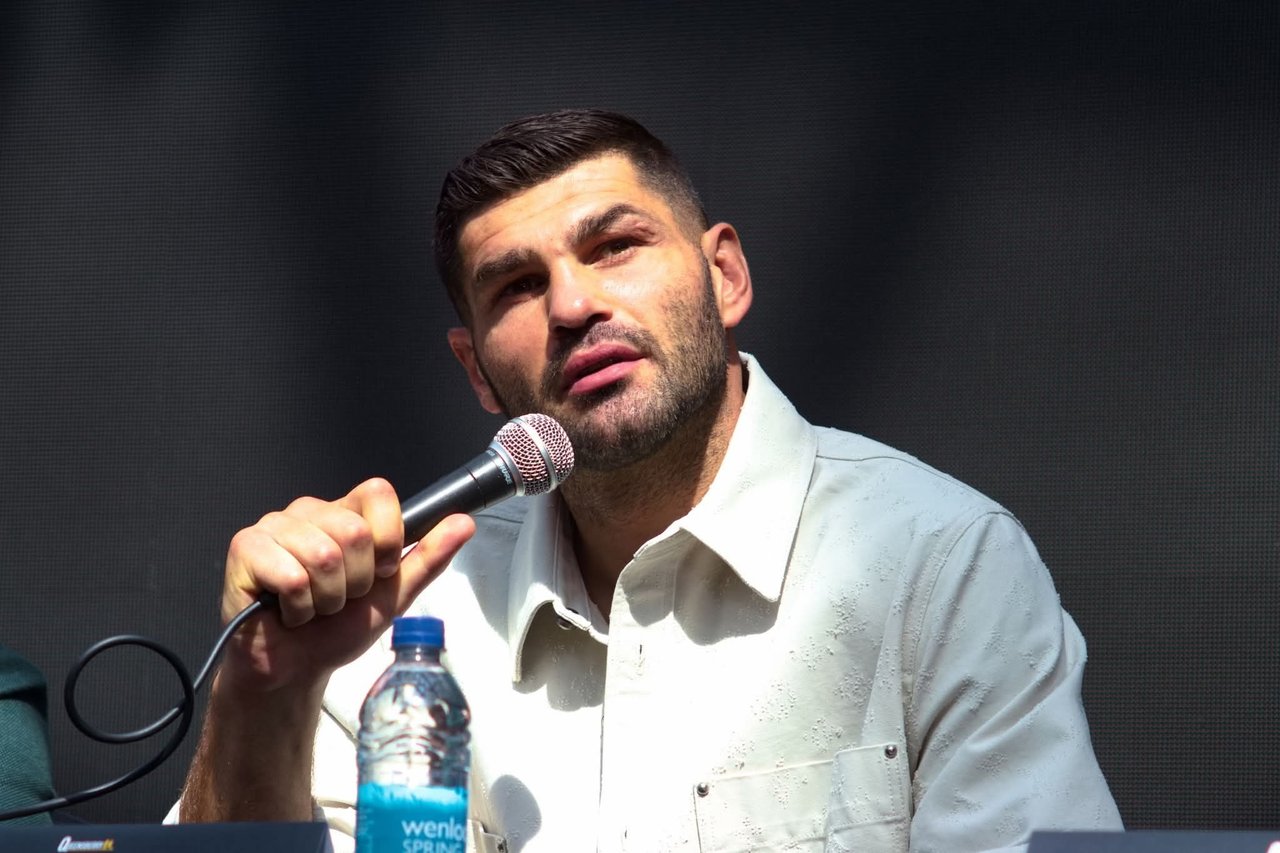
By achieving his lifelong dream, winning the title of world champion in the heavyweight category according to the IBF version after a technical knockout of the favored Moses Itauma in the ninth round, boxer Filip Hrgović also received a substantial fee. The exact amount has not been disclosed, but according to estimates from British media, in the distribution of a pot worth £2.2 million, ‘El Animal’ received around £700,000, or €817,000. This is more than double his previous highest fee, that from the fight against Zhilei Zhang in 2022, when he reportedly earned around £285,000.
When it comes to the financial side of the fight at London’s O2 Arena, Hrgović’s statement before the match attracted attention. When asked what he would do with the money, Hrgović smiled and said he would invest it, in real estate and stocks. Those who know him say that his casual response should not be taken lightly. Filip Hrgović, according to unofficial information from Lider, is very aware of the need to invest the money he earns and has previously engaged professionals to take care of this.
Goal – stable income and capital preservation
Hrgović turned 34 in June. A professional boxer at his age is at the peak of earnings but also on the brink of ending his sports career. Due to the extremely asymmetric income profile – large one-time earnings that abruptly cease within two to five years – in his case, the primary goal is not aggressive growth at any cost, but capital preservation, creating a stable passive income, and high liquidity.
In a hypothetical scenario, Filip Hrgović should allocate the fee earned in the match with the English boxing hope as follows, recommend the financial professionals we spoke with: 10 to 15 percent in cash stored in a time deposit, 55 percent in fixed-income assets, and the remainder, about a third of the money, in a stock portfolio. The fixed-income portion of the portfolio should consist of government and corporate bonds as well as real estate. The stock component should certainly include dividend stocks.
The stock component is particularly important. Given that he will eventually have to end his professional boxing career, Hrgović is not a short-term investor, for two or three years. His investments must ensure his livelihood for the next few decades, so his goal is to achieve a return that exceeds the annual inflation rate with earnings on top of that. To achieve this, part of the portfolio must be in stocks. Although they fall into the risky part of the portfolio, only stocks can provide tangible returns in the long run.
Total return of €37,000
Specifically, from the fee from the match that brought him the world title, Hrgović could keep €123,000 in cash, and invest €450,000 in real estate and bonds. Just over €245,000 could be invested in stocks and exchange-traded funds (ETFs). A calculation based on current market conditions in the euro area (interest rates in the money market, yields on government and corporate bonds, and yields on global dividend indices) shows that the annual passive cash income would amount to €28,113 annually (an average of €2,343 monthly). This is the amount that goes into the account from bonds, stock dividends, and interest on savings, without touching the invested capital.