Certain climate and fire risks in Europe, and consequently in Croatia, could become increasingly difficult to insure or may not be insurable at all – this is a dramatic warning arising from the latest analyses by the European Insurance and Occupational Pensions Authority (EIOPA) and leading global insurers.
In the European Union, only a quarter of damages caused by extreme weather conditions are currently insured, while the remaining three-quarters fall on citizens, businesses, and ultimately, state budgets.
Millions for premiums
Croatia ranks among the top European countries in terms of exposure to natural disasters, which, combined with a shockingly low level of insurance coverage, poses a direct threat to the stability of the economy and the assets of citizens.
Last year alone, the gross premium for fire and natural disaster insurance amounted to €160.97 million, and its share in non-life insurance increased from 9.2 percent in 2024 to 9.3 percent in 2025.
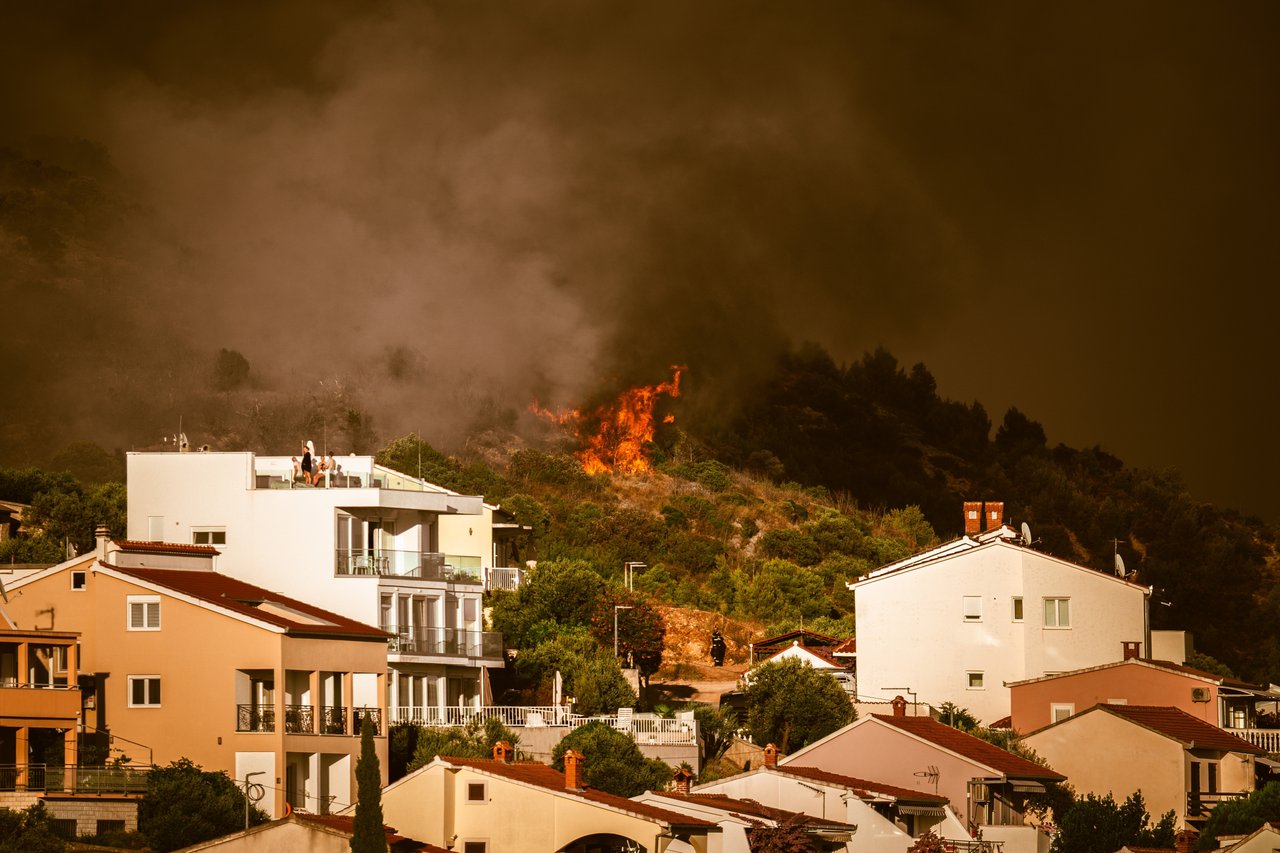
This growth is likely to continue this year as well. The devastating fire in the Omiš area in mid-August, which was likely not directly caused by climate change but had such a tragic outcome due to its consequences, only confirmed how coastal areas, as well as residential and commercial properties, are exposed to seasonal climate extremes.
On the other hand, fires in industrial and commercial properties in Croatia have become a continuous threat to the economic sector. The latest case of a fire in Karlovac is just the most recent in a series of incidents that directly threaten business continuity, jobs, and the survival of companies.
Adjusting risk assessment and management
With the further increase in exposure to such conditions, there is indeed a possibility that certain risks could become more difficult to insure over time, confirmed the Croatian Insurance Bureau (HUO) to Lider.
– This year’s fires, storms, and other extreme weather events once again confirm that climate risks are becoming an increasingly important challenge for citizens, the economy, and the insurance sector. The increase in the frequency and intensity of such events raises potential material and economic losses and requires continuous adjustment of risk assessment and management methods. This is particularly important for Croatia due to its simultaneously high exposure to natural disasters and relatively low insurance penetration – responded HUO.
According to them, the movement of insurance premiums is largely influenced by the number of contracted policies, the value of insured assets, the scope of coverage, and other factors, so the overall growth of premiums cannot be directly concluded about the price increase of individual policies.