A total of 1,028 applications have been received for three public calls from the Ministry of Physical Planning, Construction and State Property: 480 for the installation of elevators, 116 for facade renovations, and 432 for the energy renovation of public sector buildings. The value of the submitted projects, according to the Ministry’s data and the average costs of the submitted interventions, exceeds 600 million euros.
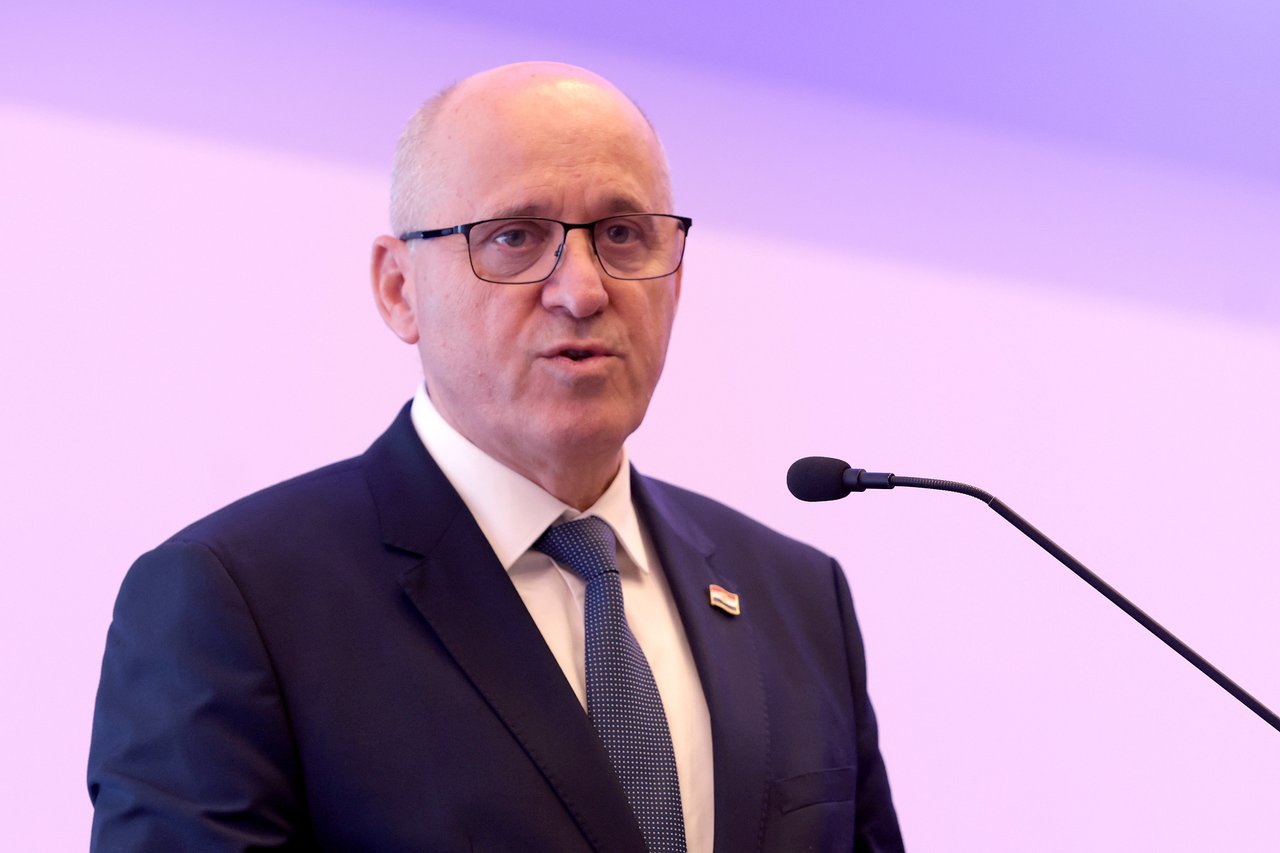
The results of the calls and plans for the allocation of funds were presented on Friday at the Ministry by Deputy Prime Minister and Minister Branko Bačić.
Particularly high interest has been shown for the installation of elevators and facade renovations, for which the state initially allocated a total of five million euros in this year’s budget: two million for elevators and three million for facades.
However, Bačić announced that due to the large number of applications, additional funds will be secured through a rebalancing of the state budget and the budget for 2027 to enable the realization of all projects that meet the prescribed conditions. According to him, around 27 million euros will be needed for the state co-financing, significantly more than the initially planned five million.
The average reported cost for the installation of elevators is around 115 thousand euros, while the average value of facade renovations is around 269 thousand euros.
The highest number of applications for elevators came from Zagreb – 236, or almost half of the total number. Following are Split with 76, Rijeka with 26, Pula with 21, and Karlovac with 14 applications.
Zagreb’s dominance is even more pronounced in facade applications. Out of a total of 116 applications, as many as 87 come from Zagreb, while Karlovac and Osijek each submitted six applications.
There is no ‘Fastest Finger’ for Elevators and Facades
In facade renovations, costs are divided into three equal parts: one-third is covered by the state, one-third by the local government unit, and one-third by co-owners. The state and local government can jointly provide a maximum of 300 thousand euros per building, and the local unit must have secured funds and participate in the program.
For elevators, the state covers 33 percent of eligible costs, and applications from local government units that have also secured funds have priority in scoring.
The Ministry emphasizes that the ‘fastest finger’ system does not apply to these calls. Each application is scored separately, and calls will be announced every year.
During September and October, a check of the completeness and eligibility of applications will follow, after which scoring and ranking will be conducted. Decisions on the allocation of funds are expected in the last quarter of this year.