As we know, Croatia does not have a systematic solution for the disposal of hazardous waste, from medical waste and old medicines, through paints and oils, to PFAS compounds found in illegal and legal landfills across the country. And while the public is occasionally alarmed by news about microplastics or ‘forever chemicals’ in the soil, a systematic solution to the problem remains outside public discussion, until something like the case in Gospić occurs.
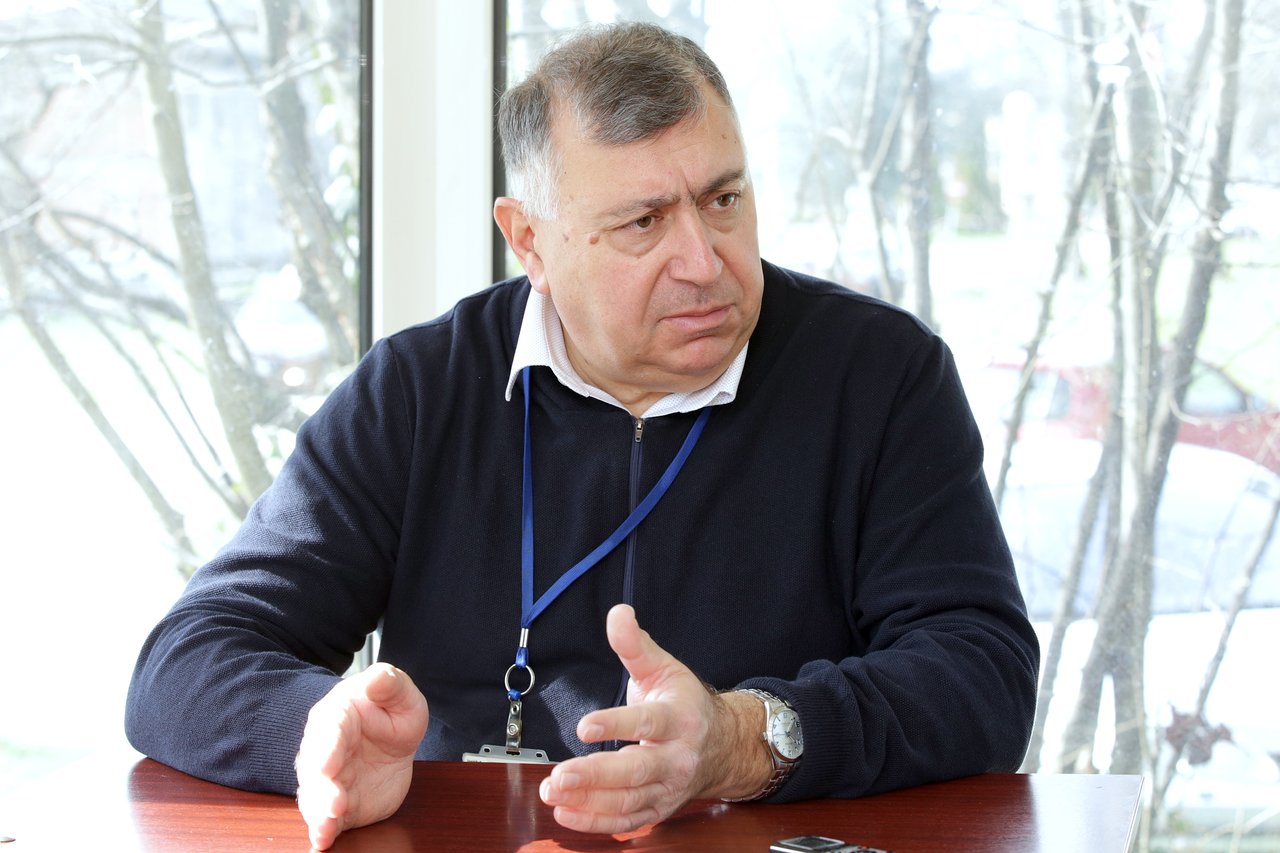
However, for our problems, senior research associate at the Ruđer Bošković Institute and former parliamentary representative Tonči Tadić claims to have a solution that has existed for almost two decades, but that bureaucratic inertia and public resistance systematically push it aside.
Tadić emphasizes that he is not acting on behalf of the Government or any state institution, but is presenting a personal initiative that he has been trying to channel to the authorities for years.
Idea as old as the problem
Tadić first publicly presented the idea of acquiring a plasma gasification plant in 2008 in Split, together with the late Jakša Miličić. The starting point was the realization that Croatia has no facility capable of permanently solving hazardous waste, while the existing infrastructure, from incinerators to landfills, only addresses part of the problem, and not adequately.
According to him, incinerators leave ash and slag that can account for up to 30 percent of the original volume of waste and which need to be further disposed of. Plasma gasification, he says, works differently: at temperatures above 2000 degrees Celsius, it breaks down compounds into individual atoms, including PFAS. The exhaust gases then undergo fractional distillation, while the remaining synthetic gas is used to power a 30-megawatt gas turbine, which only powers the facility.
The goal, emphasizes Tadić, is not to produce electricity for the market, but to completely eliminate hazardous waste, which is why, he claims, the initial investment cost should not be a decisive argument against the project.
What remains in the reactor resembles lava and exits the facility as vitrified mass, purple glass in which the hazardous residue is permanently and safely isolated. According to Tadić, this residue constitutes only a few percent of the original volume of waste.
Inexhaustible ‘raw material’
Tadić warns that the quantities of waste that such a facility could process are enormous. Along with a continuous influx of medical waste, old medicines, paints, and oils for which Croatia currently has no adequate solution, there are also deposits of PFAS compounds that have been lying in existing landfills across the country for decades, accumulated during a time when this type of pollution was not taken into account. According to his estimate, such an investment would have a permanent and long-term purpose, rather than being a one-time project, and the location of the future facility, he says, is not crucial; it can, he claims, also be built in Jakuševac.