According to the latest report from European Clean Tech Atlas, published by the Brussels economic think tank Bruegel, the electrification rate of the Croatian economy in 2024 was 20 percent. This places Croatia below the European Union average (23 percent) and significantly behind industrially advanced European leaders such as Sweden (33 percent) or Norway (51 percent).
This stark figure is not just empty statistics but a structural challenge for Croatian industry: four-fifths of the total energy in the economy is still derived from the direct burning of oil derivatives, natural gas, and biomass.
Hydropower Legacy
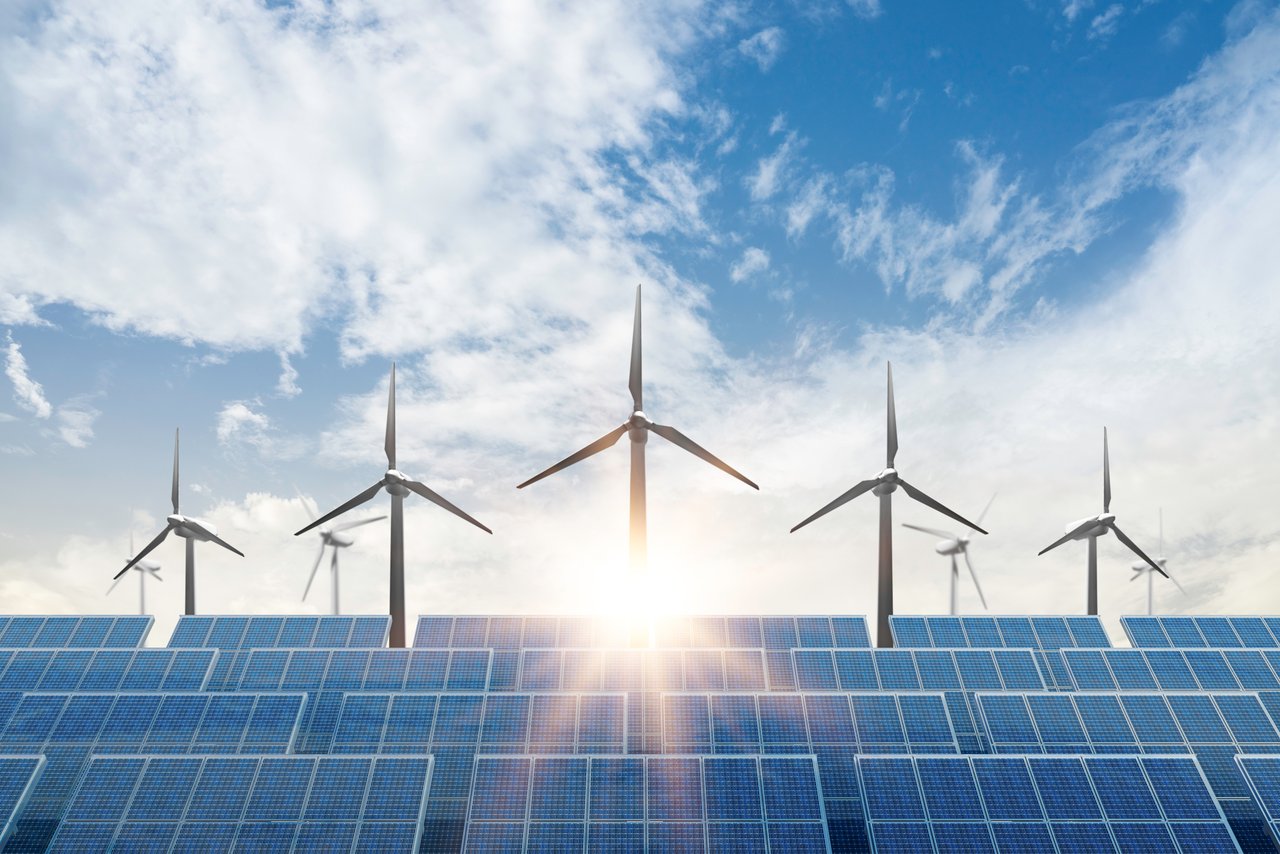
Croatia traditionally boasts a high share of clean sources in electricity production, primarily thanks to hydropower plants that provide about 29 percent of supply, but also due to the accelerated growth of wind farms at 15 percent and solar at seven percent.
However, Bruegel analysts clearly emphasize in their analysis that this strong hydropower base is actually a legacy of the past. The majority of Croatian hydropower plants, they remind, were built between the 1950s and 1980s, so the high share of clean electricity is more due to inherited infrastructure than to recent structural advancements.
What they particularly warn about is the second dangerous paradox. Namely, while the Croatian electricity system is becoming greener, industrial plants are not keeping pace sufficiently.
Electrification of Industry Lags
Such a transition, the think tank analysts remind, involves replacing traditional gas burners, oil-fired boilers, or fossil fuel furnaces with modern technologies, such as electric arc furnaces, induction systems, high-temperature heat pumps, and industrial electric boilers.
And this transition is occurring slowly, leaving the manufacturing sector directly dependent on imported energy sources and geopolitical upheavals in the gas market.
Investment Costs
The first and most complex barrier to faster electrification is the enormous capital investments, or CAPEX. Replacing the entire thermal infrastructure in plants requires multi-million investments, so in conditions of a cautious investment climate and high capital costs, company managements are reluctant to change functional gas facilities before the end of their natural lifespan.