European and German politicians, along with their analysts, are watching the German province of Saxony-Anhalt with undisguised fear these days. It is a small province, with just over two million inhabitants or about 2.5 percent of the total German population.
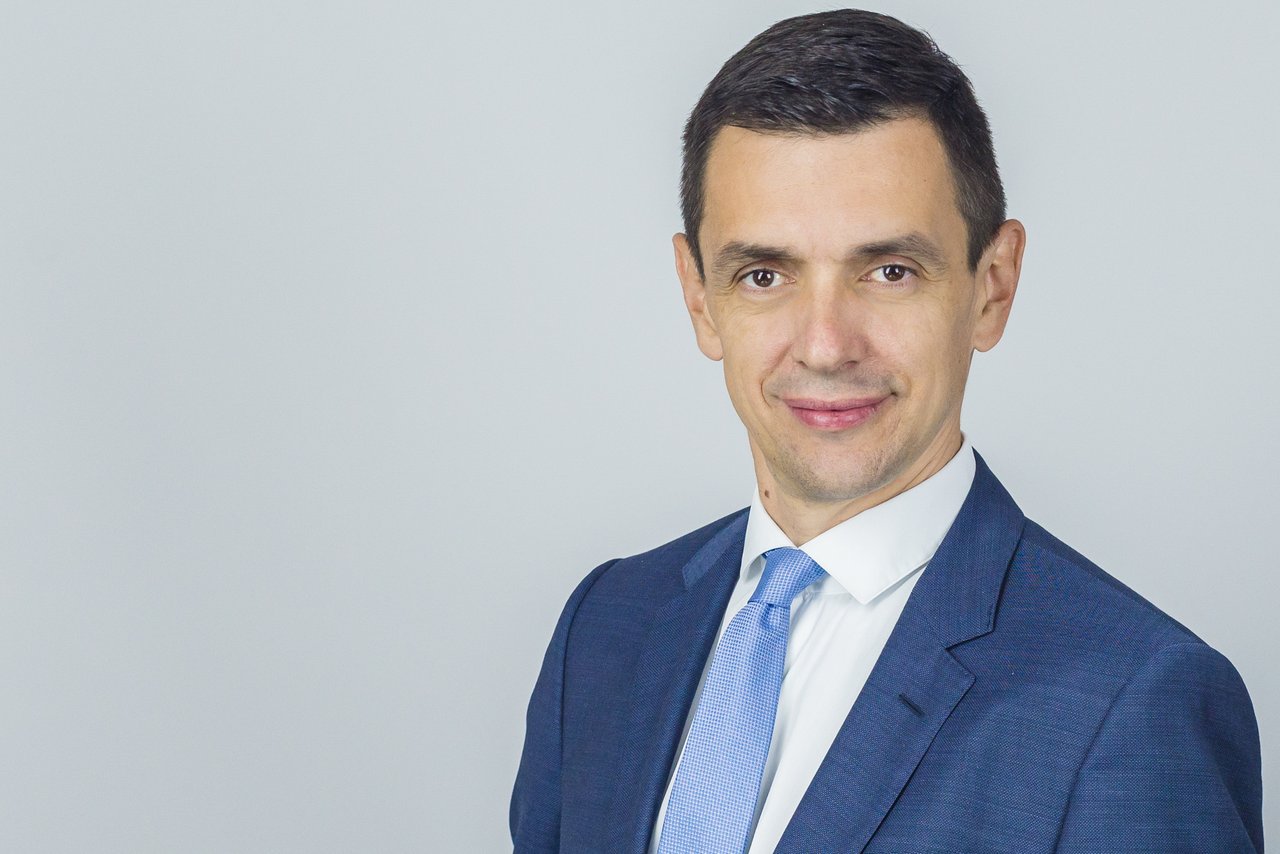
Until the reunification of the country in 1990, it was part of pro-Soviet East Germany (DDR). It was during this time of German reunification that Ulrich Siegmund was born, that dark object of dread and fear for the German and European political and media establishment. In the upcoming provincial elections in Saxony-Anhalt, polls predict a convincing electoral victory for AfD and Siegmund as its candidate for the head of the provincial government. Perhaps even winning an absolute majority. There is a double fear for the non-AfD remainder of the political scene in Saxony-Anhalt, Germany, and the European Union.
Missed Neutralization of Extremists
The first fear is of an absolute victory that would make Ulrich Siegmund, according to all democratic norms, the first AfD head of a provincial government in Germany. The second fear is even more unpleasant and contrary to the very spirit of parliamentary democracy: if AfD and Siegmund are ‘only’ relative electoral winners, the belief spreads that all other parties, from the CDU on the center-right to the Linke on the far-left, should unite to prevent AfD from entering power and maintain a political firewall against it prohibiting coalitions.
Even former Chancellor Angela Merkel, the true political mother of AfD, has come out of retirement, calling on Germans from Saxony-Anhalt to protect democracy and not vote for AfD. Her policy of integrating progressive woke and cancel culture policies into the CDU, particularly the open-door policy towards waves of illegal migrants from Muslim countries, has actually given wings to AfD, whose political influence has been growing since then. It is only a matter of time before it wins an absolute majority in some province, if it does not already happen on Sunday in Saxony-Anhalt. And then: when will this happen at the national level? Because AfD is no longer just a party of Eastern Germans and just of the political right but is becoming an anti-system party of a broad political spectrum. And the greater the firewall the political establishment builds around it, the more AfD grows.
Since AfD’s stronger rise about a decade ago, I have written in columns for Lider that it should have been politically integrated, and its extreme elements neutralized or removed. Whether it concerns neo-Nazi outbursts and positions or geopolitical orientation towards Russia and China. Had this been done, the problem of AfD would not exist today. And perhaps neither would AfD itself. I cannot recall how many times in those ten years I have heard: ‘It is not possible because it is too early for such integration, mainstream is not ready for it.’ And then: ‘It is not possible because it is too late, AfD is too strong.’ And so nothing was done: both AfD and the firewall against it just grew. This is a test on which the political mainstream, primarily the CDU, has failed, which missed the opportunity to integrate AfD as the right wing of its coalitions, but also the German deep state, which failed to neutralize its extreme, potentially destabilizing elements for the constitutional order. And it is not that they were not monitored. It even turned out that among those extremists there were (expectedly) quite a few infiltrated agents of the BND.