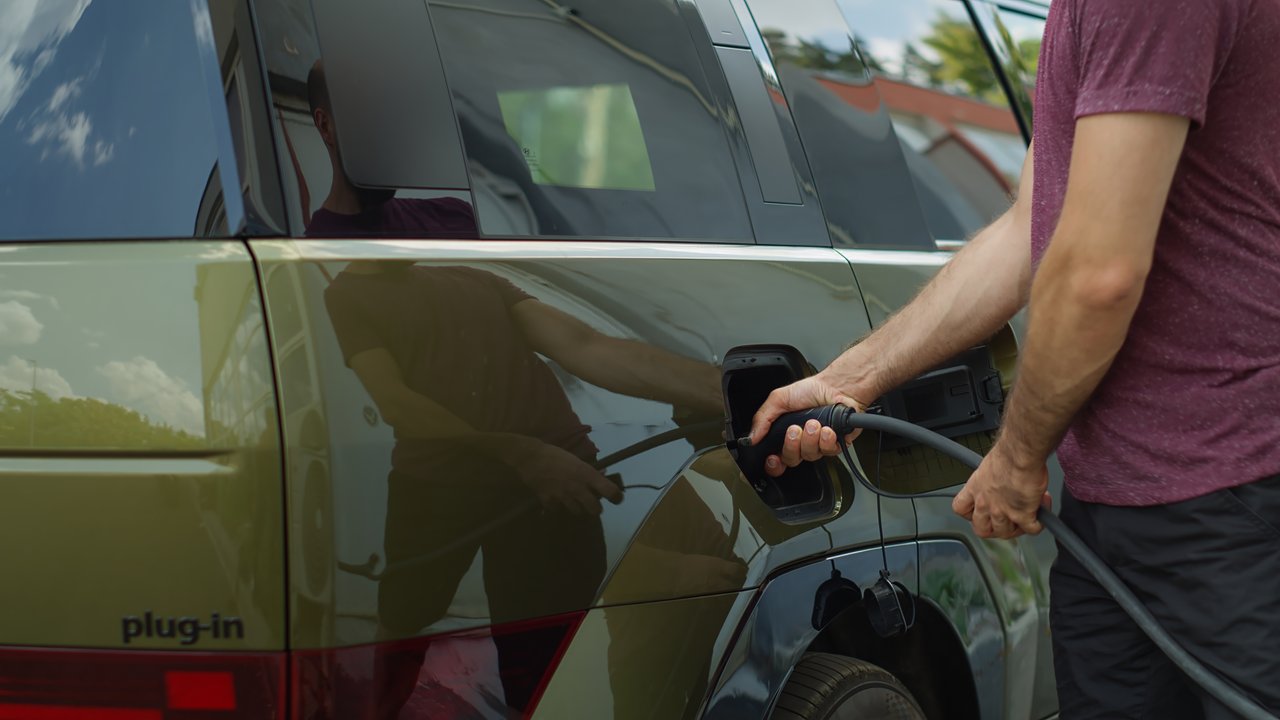
Hybrid cars with external electric charging emit up to five times more carbon dioxide in real-world conditions than the calculations on which European Union regulations are based, according to a study published on Thursday.
The study conducted by the environmental NGO International Council on Clean Transportation (ICCT) shows a ‘significant and growing gap between CO2 emissions in real driving conditions and those measured during homologation tests’ for hybrid cars with external electric charging, known as plug-in cars, registered between 2021 and 2023.
Specifically, average carbon dioxide emissions in real conditions were 3.5 times higher than the values obtained during homologation in 2021 and 4.6 times higher than the calculations in 2023.
The main reason for this discrepancy is that this type of vehicle ‘is charged less frequently and driven in electric mode less often than expected’ in the initial calculations, states ICCT.
This NGO is behind the revelations of the Dieselgate scandal, which has shaken major car manufacturers since 2015, accused of concealing the actual levels of nitrogen oxides (NOx) pollution.
Peter Mock, director of the European branch of ICCT, says that ‘this may seem contradictory, but the increase in electric range of new models has not actually led to greater use of electric driving mode.’
A revision of the calculation methodology expected next year ‘will likely reduce the attractiveness of hybrid cars with external electric charging as a means for manufacturers to meet European CO2 emission targets for new cars,’ warns Peter Mock. ‘It should also lead to a further reduction in their market share.’