Home / Finance / Demand for Tutoring Increases by Up to 20 Percent: How Much Does One Hour Cost

Demand for Tutoring Increases by Up to 20 Percent: How Much Does One Hour Cost

<p>Kristijan Šimičić,<br>
vlasnik i direktor EDukOS-a</p>
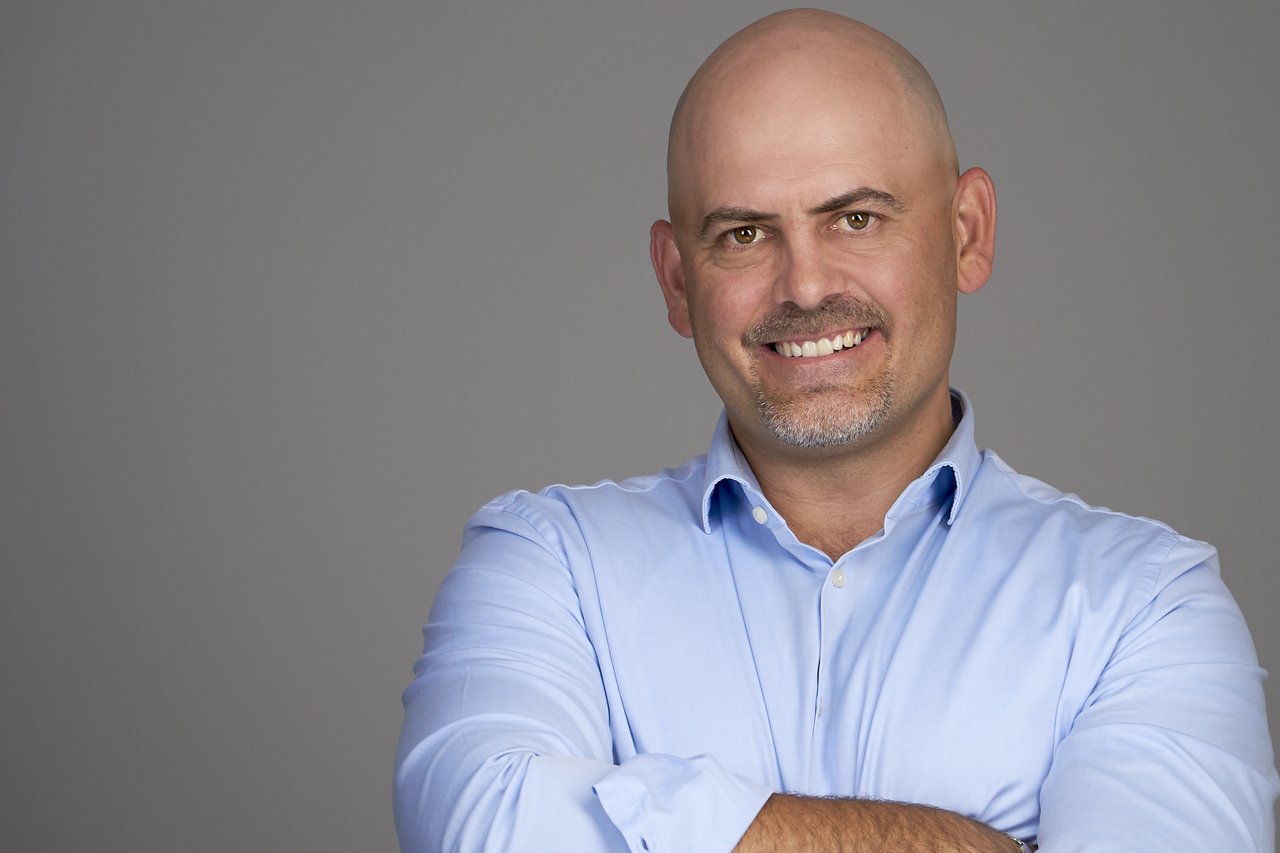
Kristijan Šimičić, vlasnik i direktor EDukOS-a / Image by: foto

While discussions about the quality of education are ongoing in schools and universities, some parents and students are seeking solutions to their problems outside the system. Tutoring has become a regular expense for many families, while simultaneously being a job that more and more people are engaging in. The price of one hour can vary significantly, depending on the subject, level of knowledge, and the experience of the tutor.

Particularly interesting are subjects that have a constant demand, as well as those for which it is difficult to find a good instructor. Alongside mathematics, physics, and chemistry, there is increasing interest in specialized university subjects, and the way of working is changing under the influence of online teaching and artificial intelligence tools.

The owner, director, and founder of EDukOS, Kristijan Šimičić, states that the demand for individual tutoring for primary and secondary schools is growing by 15 to 20 percent per year, preparation for the state graduation exam by 10 to 15 percent per year, while group tutoring for universities is experiencing the opposite trend.

– The demand for group tutoring for universities for preparations for colloquiums and exams is decreasing by an average of 12 percent per year – he notes.

EDukOS has, since its inception, provided preparation courses and individual tutoring to over 25,000 students; the average age of participants is between 15 and 23 years. As for schoolchildren, they most frequently seek lessons in mathematics, Croatian, chemistry, and physics, while students struggle with technical, mathematical, and programming subjects.

Seasonal Demand, Stable Prices

The owner of the EDUTEC business, Siniša Peršić, who has been involved in tutoring for six years, also reports an increase in demand.

– In recent years, I have recorded double-digit percentage growth in the number of inquiries year after year – emphasizes Peršić, who provides tutoring in mathematics, physics, and electrical engineering.

The highest number of inquiries is for mathematics, while electrical engineering is an interesting niche because the number of instructors for that subject is significantly lower. Demand is not uniform throughout the year. The highest number of inquiries is recorded at the end of November and during December, as well as from April until the end of the school year. In the summer, work continues with preparations for remedial exams and the state graduation exam. This rhythm allows students and other instructors to use tutoring as an additional source of income, and those with a larger student base can build a permanent activity from it. As for prices, they vary depending on the subject, level, and format of teaching. Peršić charges 15 euros for 45 minutes of tutoring in mathematics, physics, and electrical engineering during the workweek, and 18 euros on weekends.

At EDukOS, an individual school hour costs 20 euros. Group preparations for the state graduation exam range from 280 to 350 euros per subject, depending on the subject and scope of the program, while university group courses are around 150 euros.

The Value of Recommendations

Many platforms also have their own pricing. For example, on eMatematika, 45 minutes of online tutoring costs 16 euros for students from the first to the eighth grade of primary school, 17 euros for high school students, and 19 euros for university students. The price is influenced not only by the level of education but also by the experience of the instructor, the method of work, and the demand for specific subjects. Deficient knowledge areas such as electrical engineering, for instance, cost more than subjects for which there are many instructors available. It is certainly interesting that a formal diploma is not the only criterion for success in the tutoring market. Šimičić states that parents and students primarily seek knowledge, experience, good communication and presentation skills, regular feedback, and, ultimately, results on exams.

– Formal education is not decisive; more important are the knowledge, experience, and motivation of the instructor, which in turn yield excellent student results, and consequently good recommendations that then bring new students to the instructor – explains Šimičić.
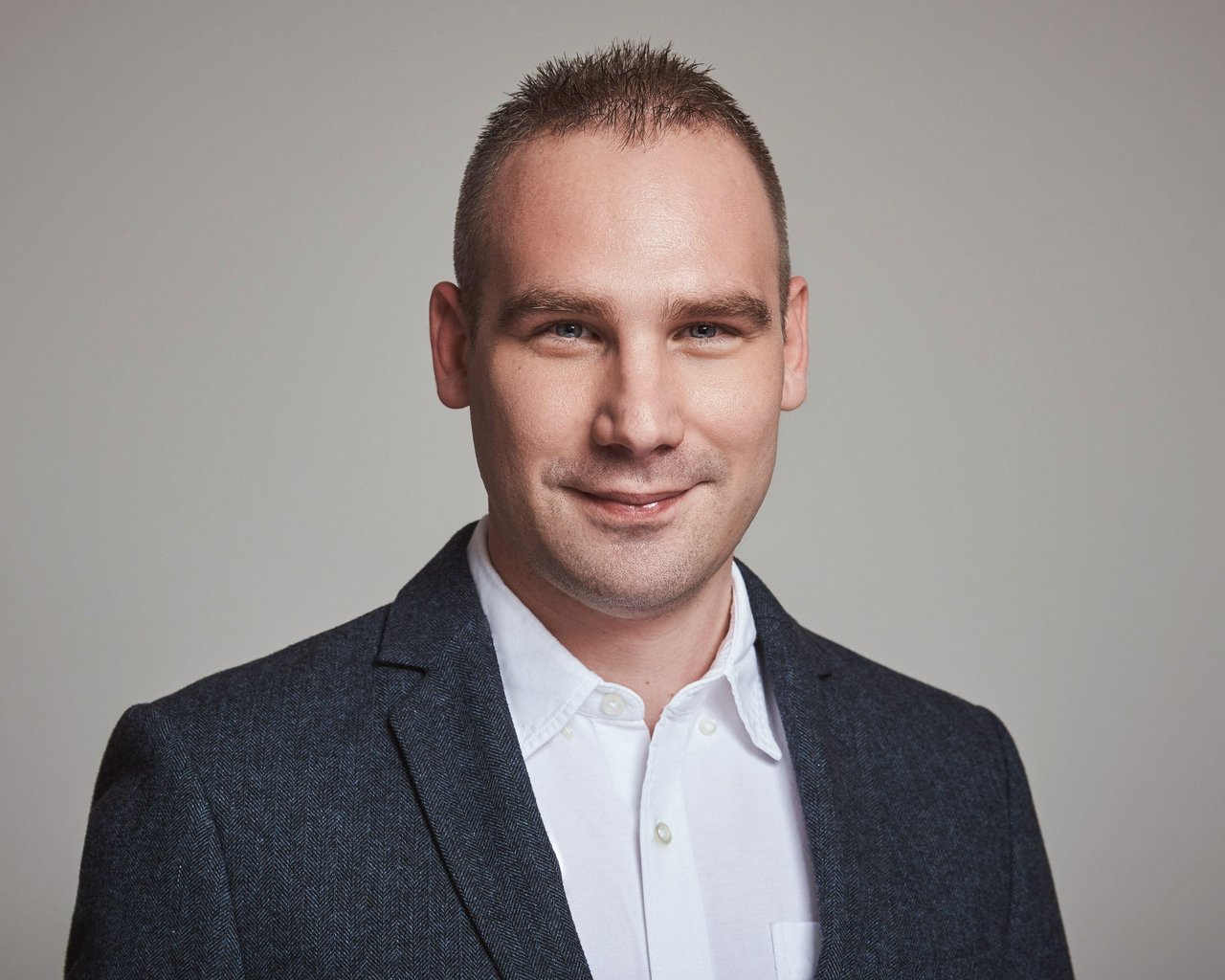
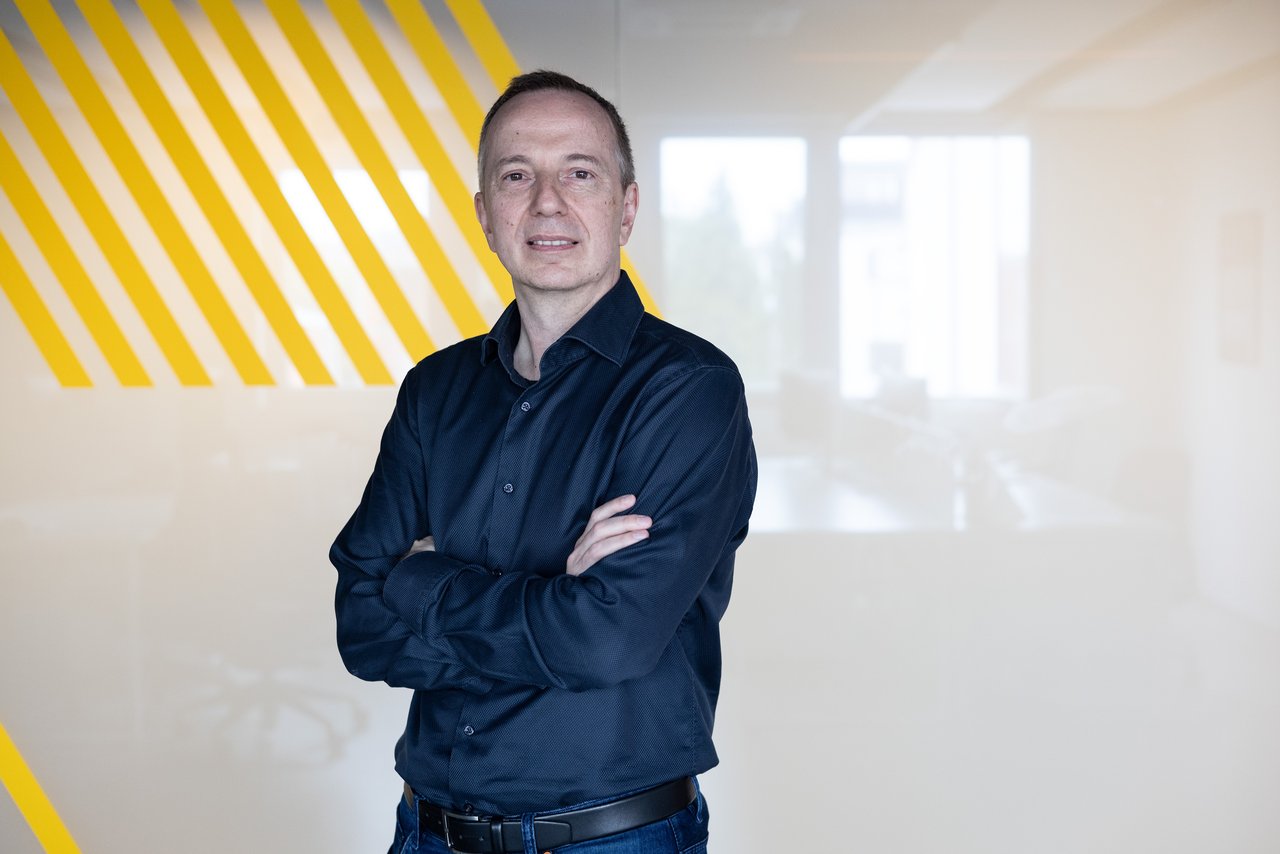
Recommendations often create a client base. Peršić primarily finds students through his website, where he publishes educational materials, while some clients come through recommendations and social media.

In fact, in independent work, the entire amount that a student pays is the instructor’s income before taxes and business expenses. The instructor independently finds students, organizes appointments, and charges for the service. In educational centers, the model is different.

At EDukOS, instructors for individual tutoring receive at least ten euros per school hour. For group university tutoring and preparations for the state graduation exam, the fee ranges from 20 to 40 euros per school hour, depending on the number of candidates in the group and the price of the course.

– Their engagement depends on student registrations in the system, the number of groups they work with, and the number of students. Generally, these are colleagues who are part-time employees, students, or our permanent employees – notes Šimičić.

Tax Treatment

For a student with several students per week, tutoring can be a solid additional income. For an instructor with a larger client base, it can grow into an independent business, and one must also consider the tax treatment. Namely, tutoring is not exempt from tax obligations simply because it is conducted privately or online. The key is in what form the activity is carried out. Private tutoring for students is classified under the current NKD 2025 as 85.59.0, or ‘Other education and teaching, n.e.c.’. This category includes private tutoring for students, courses for learning assistance, and preparatory courses. However, the classification itself does not determine how the instructor will pay taxes.

If someone makes tutoring a continuous activity, for example, regularly has more students, advertises their services, and generates income from them, they must have an appropriate business structure and meet the corresponding tax obligations. One option is a craft, and if the prescribed conditions are met, also lump-sum taxation. In occasional engagements, the situation may be different, for example, if the income is treated as other income. Therefore, it is not the same when someone occasionally conducts a few tutoring sessions and when they continuously generate income from teaching.

It is important to distinguish between income tax, contributions, and VAT. The threshold of 60,000 euros in annual turnover is relevant for entering the VAT system, but there are special rules for certain educational services regarding VAT exemption. Therefore, the mere fact that an instructor exceeds or does not exceed that threshold is not sufficient to determine whether VAT should be calculated on their services.

AI Competition

Regardless, the tutoring market is more developed than ever, but traditional instructors are facing new competition: artificial intelligence. Today, a student can receive a solution to a math problem, an explanation of a chemical process, or help with programming almost instantly. However, at EDukOS, they do not yet see a decline in overall demand due to AI tools, but they do notice a change in the university market.

– It seems that in recent years, the volume of work in group tutoring for universities is decreasing, especially as students increasingly use AI tools to quickly find solutions to the tasks they need for exam preparation – emphasizes Šimičić.

Peršić, on the other hand, believes that AI is already greatly assisting students, but it can still make mistakes with more complex tasks. Moreover, there is a difference between obtaining a ready answer and working with a person who can recognize where the student is struggling.

– In direct work, it can be quickly recognized where the student encounters difficulties, adjust the explanation method, and immediately respond to additional questions – explains Peršić.

Thus, despite all the artificial intelligence tools, the demand for tutoring remains strong because, in the end, it is easy to arrive at a solution to a problem, but understanding the process and choosing the right path to find the answer is a task that only quality instructors can still solve.

Tagged: