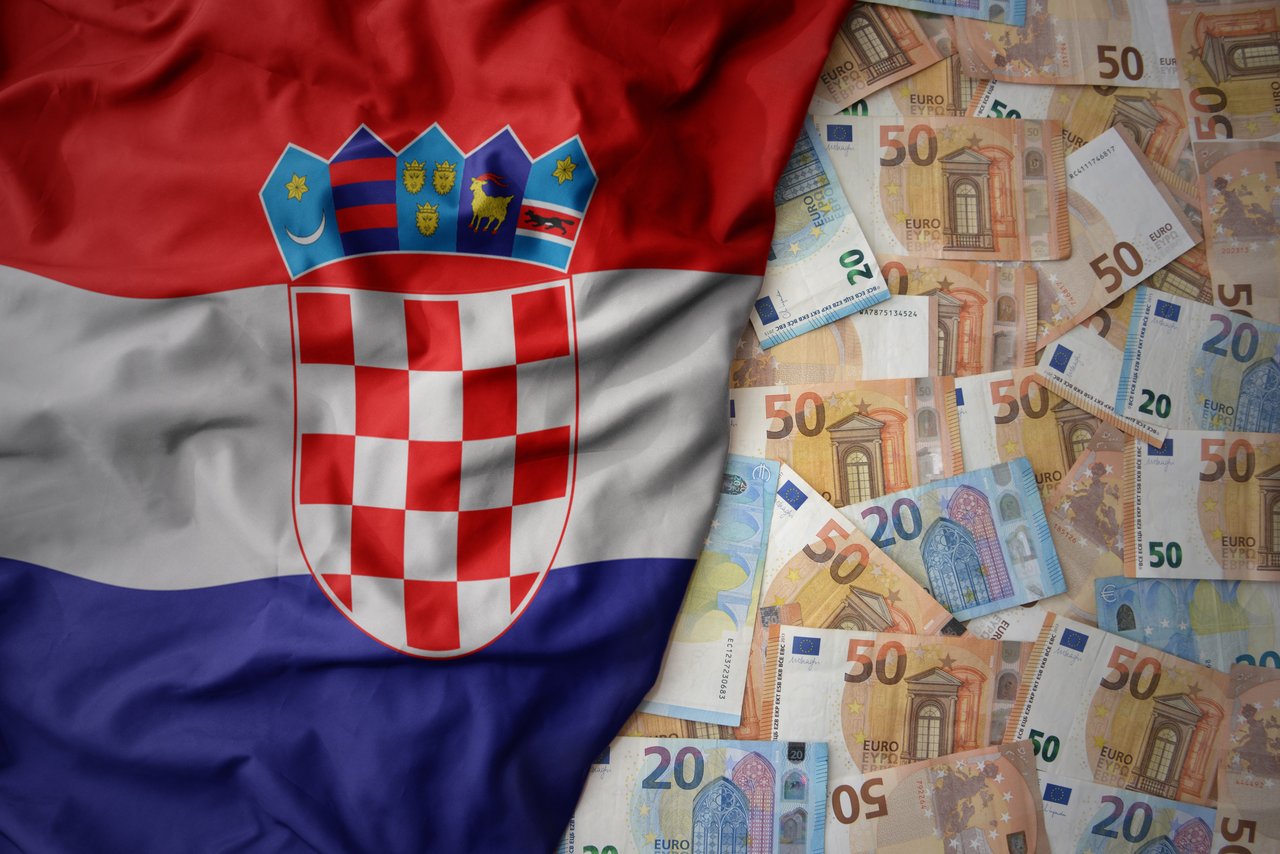
Thanks to the increase in personal consumption, investments, and exports, the Croatian economy grew in the second quarter of this year for the 22nd consecutive quarter, but slower than in the previous quarter.
The Croatian Bureau of Statistics (DZS) published its first estimate on Thursday, indicating that the gross domestic product (GDP) in the second quarter increased by 1.7 percent in real terms compared to the same period last year.
This marks the 22nd consecutive quarter of economic growth, but slower than in the previous quarter when the growth was 2.2 percent. The annual GDP growth of 1.7 percent is the slowest growth since the last quarter of 2020, when the economy contracted due to the impact of the coronavirus crisis.
Growth of Consumption and Investments
According to DZS data, household consumption, which is the largest component of GDP, increased by 0.5 percent year-on-year in the second quarter, significantly slower compared to 2.6 percent in the previous quarter. Gross investments in fixed capital increased by 1.7 percent, slower than the 2.5 percent in the previous quarter.
Government consumption rose by 2 percent, after strengthening by 0.7 percent in the previous quarter. Exports of goods and services increased by 3.0 percent year-on-year, following a decline of 1.6 percent in the previous quarter. Specifically, goods exports rose by 5.2 percent, while services increased by 1.0 percent.