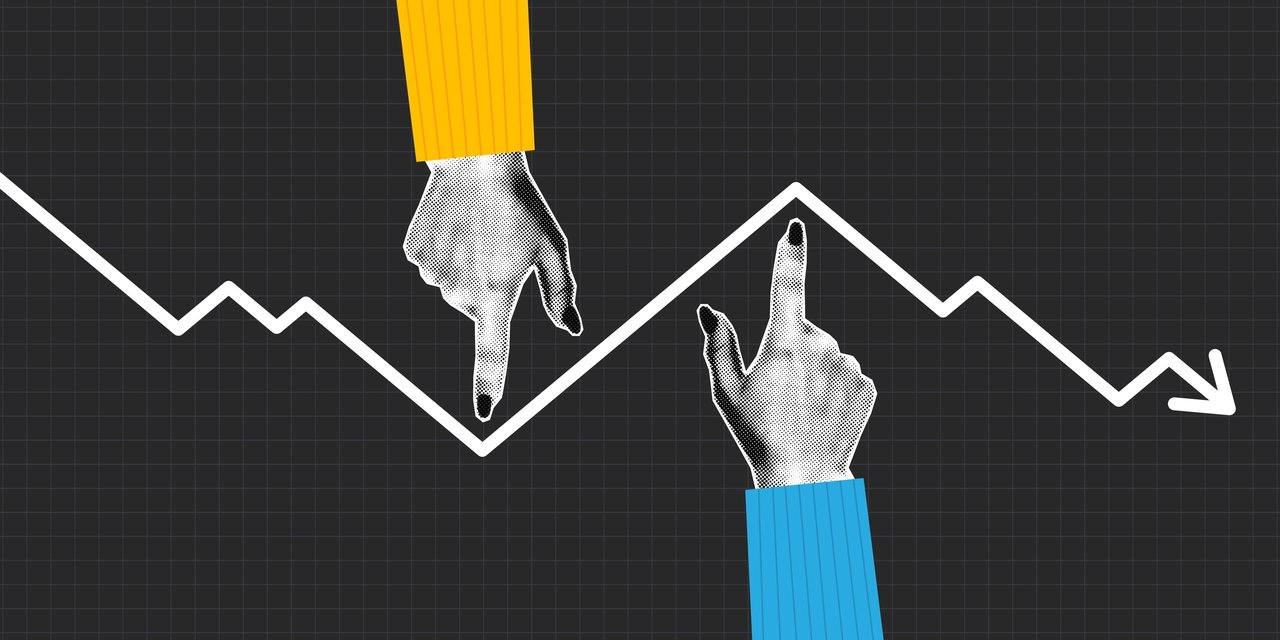
The Croatian economy is cooling, as economists predicted, and this cooling could also be felt in the demand for Croatian stocks, which have been rising for the fourth consecutive year. The State Bureau of Statistics (DZS) published on Thursday the first estimate indicating that GDP in the second quarter strengthened by 1.7 percent compared to the same period last year. Given that the economy strengthened by 2.3 percent in the first quarter, the slowdown is more than noticeable.
On the other hand, on a quarterly basis, the domestic economy shows slightly more signs of life. While a slight decline in GDP of 0.1 percent was recorded in the first three months compared to the previous quarter, in the period from April to June, state statisticians recorded a growth of 0.4 percent. In the first six months, the growth of real GDP averaged 1.9 percent.
The worst result in 11 years
This result was contributed to by the weakening of several very important drivers of the domestic economy, at least in recent years. The first is the strong slowdown in personal consumption growth. After nearly stagnation in the first quarter, retail trade has now recorded a slight decline on a quarterly basis of 0.7 percent, but also a slowdown on an annual basis (from 3.1 to 0.9 percent). Since retail is a good indicator of personal consumption, it is not surprising that the annual growth of this important component of GDP slowed from 2.6 percent to a modest 0.5 percent, the lowest since 2015. if we do not take into account the pandemic and lockdown in 2020, analysts from Raiffeisen Bank state.
– In addition, real growth is still influenced by relatively high inflationary pressures present in the second quarter of this year – states their analysis published today.
This is not the end of bad macroeconomic news. The growth of gross investments in fixed capital has also continued to slow, from 2.5 percent in the first to 1.7 percent in the second quarter, the most modest since 2021. The modest increase during this year is in line with trends in construction, where a visible (expected) slowdown compared to previous years of strong growth is noted, they observe at RBA. On the positive side, the export of goods and services achieved solid growth of three percent on an annual basis.
This item was primarily driven by stronger exports of goods (5.2 percent, after a decline of 2.3 percent in the first quarter), while the export of services slowed from 2.6 to one percent, in line with tourism trends during that period. However, this was not enough for a positive contribution to net foreign demand, analysts emphasize.
– Namely, on the wings of accelerated growth in service imports (from 4.8 to 7.8 percent), as well as stronger imports of goods (from -1.1 to 2.5 percent), total imports of goods and services increased by 3.4 percent on an annual basis (after a decline of 0.3 percent in the first quarter). The import of services also reflects the increase in purchasing power of the average household in the previous period, which affects the increase in travel of Croatian residents abroad – states the analysis. Finally, the growth of government consumption accelerated on an annual basis from 0.7 in the first to two percent in the second quarter.
Economists expect acceleration
Davor Špoljar, an analyst at Erste Bank, says that the GDP growth of 1.7 percent in the second quarter was largely in line with expectations, with personal consumption being somewhat weaker due to higher inflationary pressures, while investments remained approximately at the levels from the first quarter.