Home / Business and Politics / Virgin breaks Eurostar’s monopoly in the tunnel under the English Channel

Virgin breaks Eurostar’s monopoly in the tunnel under the English Channel

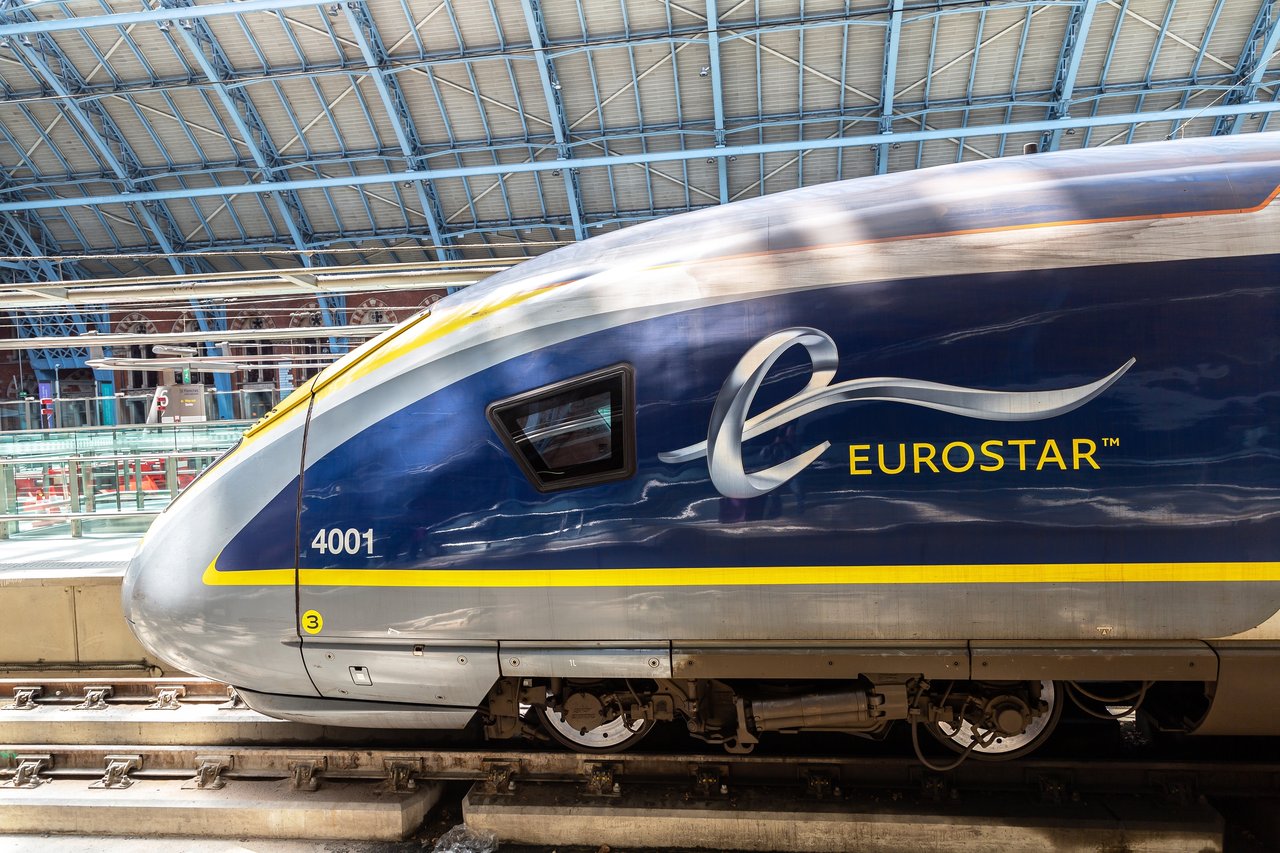
<p>LONDON, UK - JUNE 17, 2022Modern The Eurostar high speed bullet train - connects Paris Gare du Nord and London St. Pancras train station in London, UK</p>
LONDON, UK - JUNE 17, 2022Modern The Eurostar high speed bullet train - connects Paris Gare du Nord and London St. Pancras train station in London, UK / Image by: foto Shutterstock

After more than three decades of Eurostar’s undisputed dominance through the tunnel under the English Channel, a significant turning point for the European railway market is on the horizon. The British group Virgin, founded by entrepreneur Sir Richard Branson, has officially received approval from the British national regulator (Office of Rail and Road – ORR) for its company Virgin Trains to access the high-speed rail network connecting London with the tunnel under the English Channel.

First entry of competition

This decision paves the way for a historic entry of competition on one of the busiest, yet most expensive railway routes in Europe, where Eurostar has held a monopoly since the tunnel’s opening in 1994.

The new agreement covers the period from October 1, 2030, to the end of 2040 and allows Virgin Trains to operate up to 20 daily return services from London to three leading European destinations – Paris, Brussels, and Amsterdam.

– This is an important next step in introducing competition and fostering growth in the international rail services market – stated Martin Jones, Deputy Director for Access and International Traffic at ORR.

Although there is still much technical and regulatory work ahead for the group, the support from British regulatory bodies provides a strong boost to Virgin’s ambitions.

– Our plans for the new London-Europe rail service starting in 2030 are progressing rapidly. We welcome ORR’s decision and the opportunity to bring Virgin’s award-winning customer experience to the tunnel under the English Channel – officially stated Virgin Group.

Eurostar tickets more expensive than flights

Passengers have been complaining for years about the exceptionally high prices of Eurostar tickets, which often significantly exceeded the prices of airline tickets on the same routes.


Although the tunnel under the English Channel currently operates at only about 50 percent of its full capacity, all previous attempts to introduce competition have failed due to strict safety regulations, high fees, and limited capacities at railway stations.

In the meantime, Eurostar has recorded record results – just last year, it transported over 20 million passengers, further confirming the enormous demand, but also the need for alternative operators.

Challenges on the road to 2030

Despite the significant regulatory step forward, Virgin faces several operational hurdles before the first trains can hit the tracks. The first and foremost is the procurement of rolling stock.

It is necessary to secure a modern fleet of high-speed trains tailored to the specific technical and safety requirements of the tunnel.

Additionally, the company must ensure access to continental networks in France, Belgium, and the Netherlands, and must obtain final approvals from European and British railway safety agencies.

The good news is that Virgin has already achieved a significant prerequisite: it has secured access to the Temple Mills International site in London for the maintenance and storage of trains.

Is Trenitalia coming too?

Virgin is not the only one wanting a piece of this lucrative pie. The Italian national operator Trenitalia has also announced plans to launch its own line through the tunnel by 2029.

The entry of more strong players into the market is a clear signal that the European railway sector is entering a new era of dynamic market competition, which should ultimately bring better service and significantly more acceptable prices for passengers, conclude European media.

Tagged: