Following last night’s defeat of long-time nationalist Hungarian Prime Minister Viktor Orbán, the value of Hungary’s national currency forint rose sharply against the euro this morning, reaching its highest level in the last three years.
According to Reuters, investors estimate that Orbán’s defeat in the parliamentary elections, which was uncertain until the last moment, will provide a strong boost to the Hungarian economy.
The forint strengthened by approximately two percent in trading on Asian markets, trading at an exchange rate of 367.81 for one euro, while it rose by 1.6 percent against the dollar, approaching a four-year high. At the same time, Hungarian dollar bonds maintained stability after a recent increase in value.
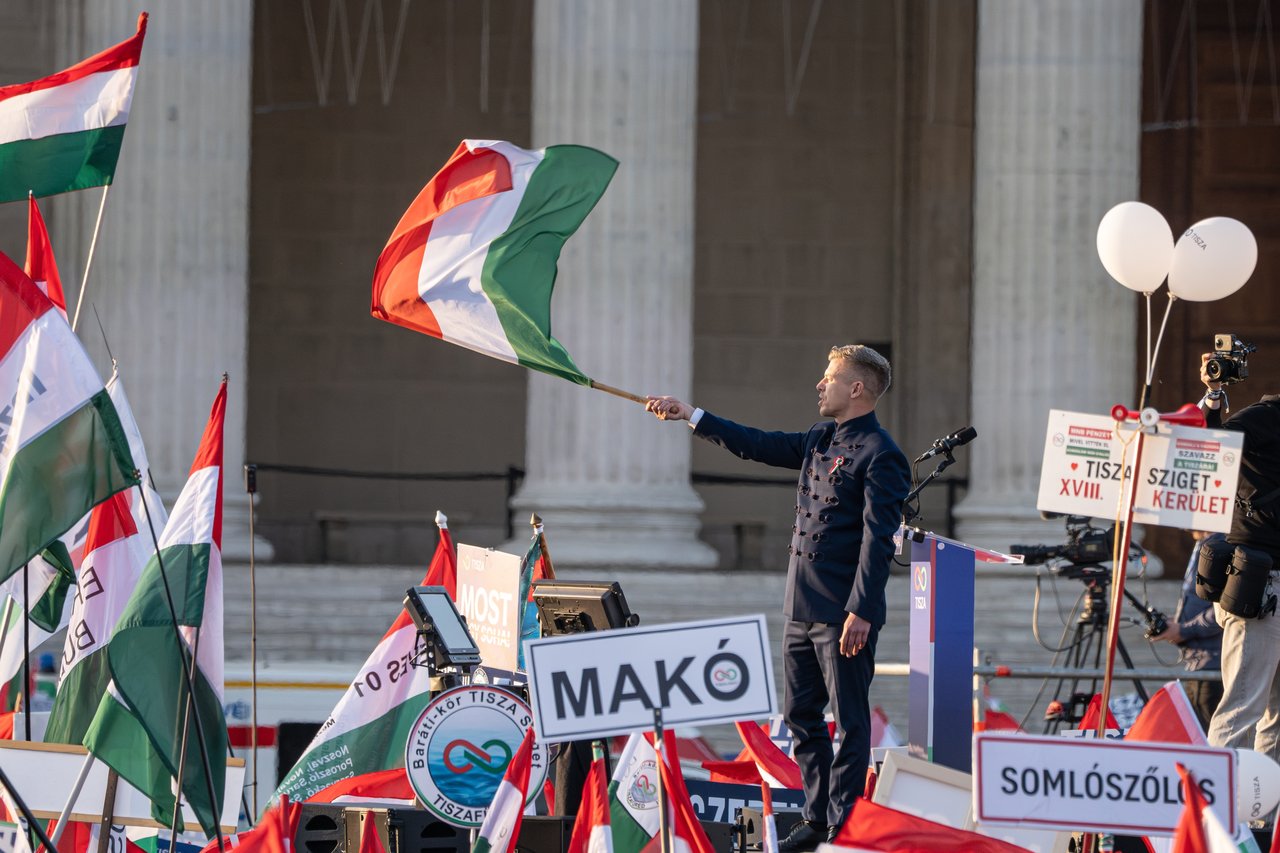
The elections, which Peter Magyar characterized as a key choice between East and West, saw record voter turnout. This marked the end of Orbán’s sixteen-year rule, with trust placed in Magyar, a former associate who became Orbán’s biggest rival and leader of the Tisza party.
Unfreezing of Funds
Markets had been recording growth in Hungarian stocks (Hungarian stock index BUX), bonds, and the forint for days leading up to the elections, as it was anticipated that Hungary’s pro-European shift could unblock around one billion euros of frozen funds from European Union sources.
The EU had withheld around 14 billion euros from various programs due to concerns about the backsliding of democracy under Orbán, and also postponed a decision on Hungary’s request for 16 billion euros in defense loans under the SAFE program, Politico reports.
According to Bloomberg, the Hungarian stock index BUX reached a record level following Orbán’s defeat yesterday, with the biggest gains seen in the shares of oil company MOL and OTP Bank.
Pro-European Direction and Path to Euro Introduction
The outcome of these elections will have significant international implications, particularly for Ukraine, which Orbán had previously blocked a 90 billion euro loan from the EU budget. As confirmed by Magyar today, Hungary will not block the loan to Ukraine.
Goldman Sachs analysts emphasize that Orbán’s swift acknowledgment of defeat is a clear signal for a smooth transfer of power. The new political option, the Tisza party, has already committed to meeting the Maastricht criteria by 2030 to prepare the country for entry into the eurozone.
Experts highlight that one of the first steps in this process could be reducing the targeted inflation rate from the current three percent to the European two percent, which would consequently lead to a significant drop in long-term yields on Hungarian bonds and further stabilization of the financial system.