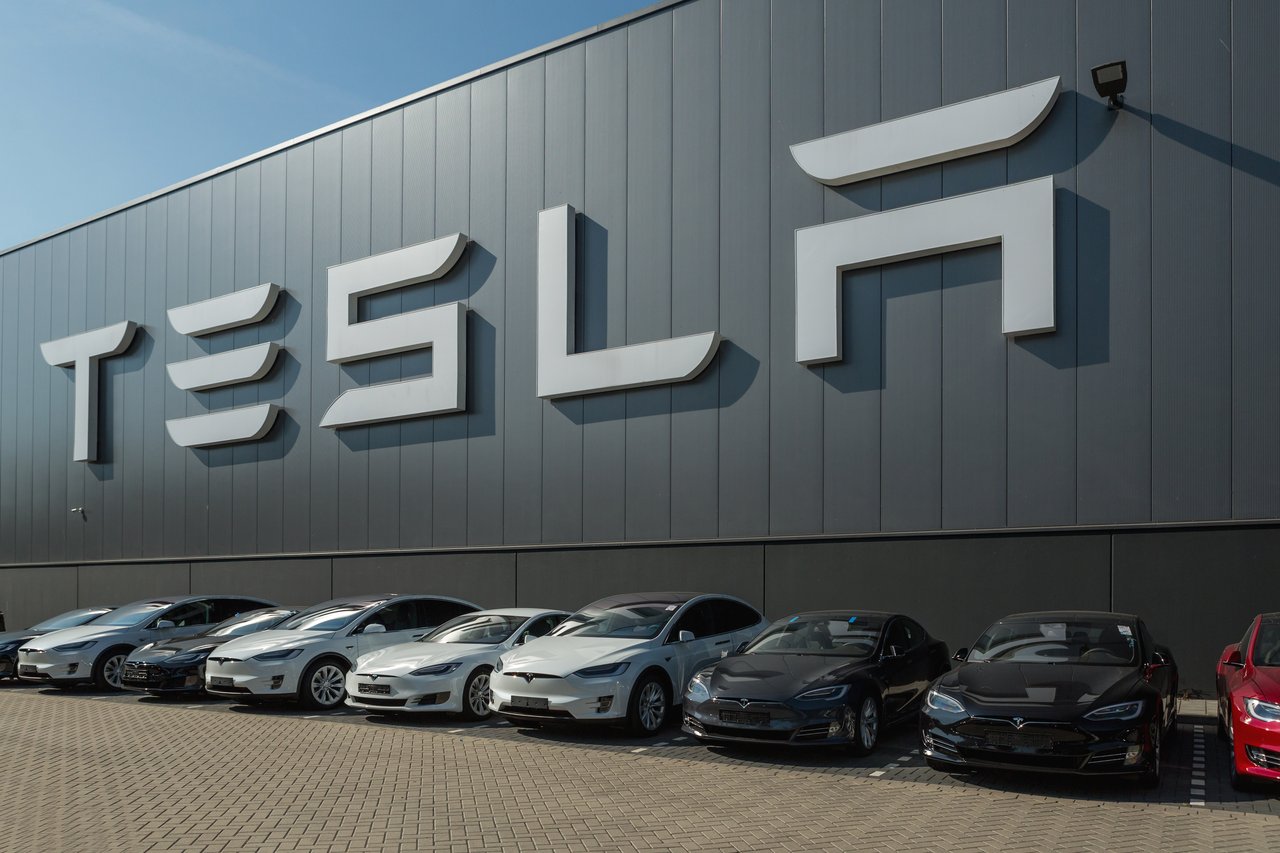
Tesla started 2026 with its weakest quarterly deliveries in the past year, missing Wall Street expectations as the weakening of U.S. incentives and increasing global competition burden its core electric vehicle business. Shares of the company led by Elon Musk fell more than four percent, after already losing about 15 percent since the beginning of the year.
Data also indicates a growing imbalance between production and demand. Tesla produced 50,363 vehicles more than it delivered during the quarter, marking the largest gap in four years, signaling a buildup of unsold inventory.
– “I believe that the rise in inventory is a result of the new reality following the expiration of tax incentives for electric vehicles, as well as increasing competition and the need for lower interest rates to stimulate demand,” said advisor at Camelthorn Investments Shawn Campbell, who owns Tesla shares.
– “The only positive thing is that high fuel prices will likely encourage more people to consider electric vehicles, but it will take time for that to reflect in the numbers and requires a prolonged period of high fuel prices,” he added.
The world’s most valuable car manufacturer is facing increasing competition, having lost its leading position in electric vehicle sales to Chinese BYD last year, under pressure from traditional manufacturers and cheaper Chinese rivals. Nevertheless, sales of Tesla vehicles produced in China rose for the second consecutive quarter — increasing by 23.5 percent year-on-year from January to March.
The expiration of the $7,500 federal tax credit in the U.S. at the end of September negatively impacted demand for electric vehicles, removing a key incentive for purchase. Approval of Tesla’s Full Self-Driving system in Europe has also been delayed, with a decision from the Netherlands expected this month, which could enable broader application and stimulate demand.
– “Tesla’s deliveries in the first quarter reflect the expiration of tax incentives in the U.S. as well as the fact that FSD has not yet been approved in the EU. These factors are likely to continue to pressure deliveries until Tesla receives approval in the EU and until we enter the fourth quarter in the U.S.,” said Morningstar analyst Seth Goldstein.