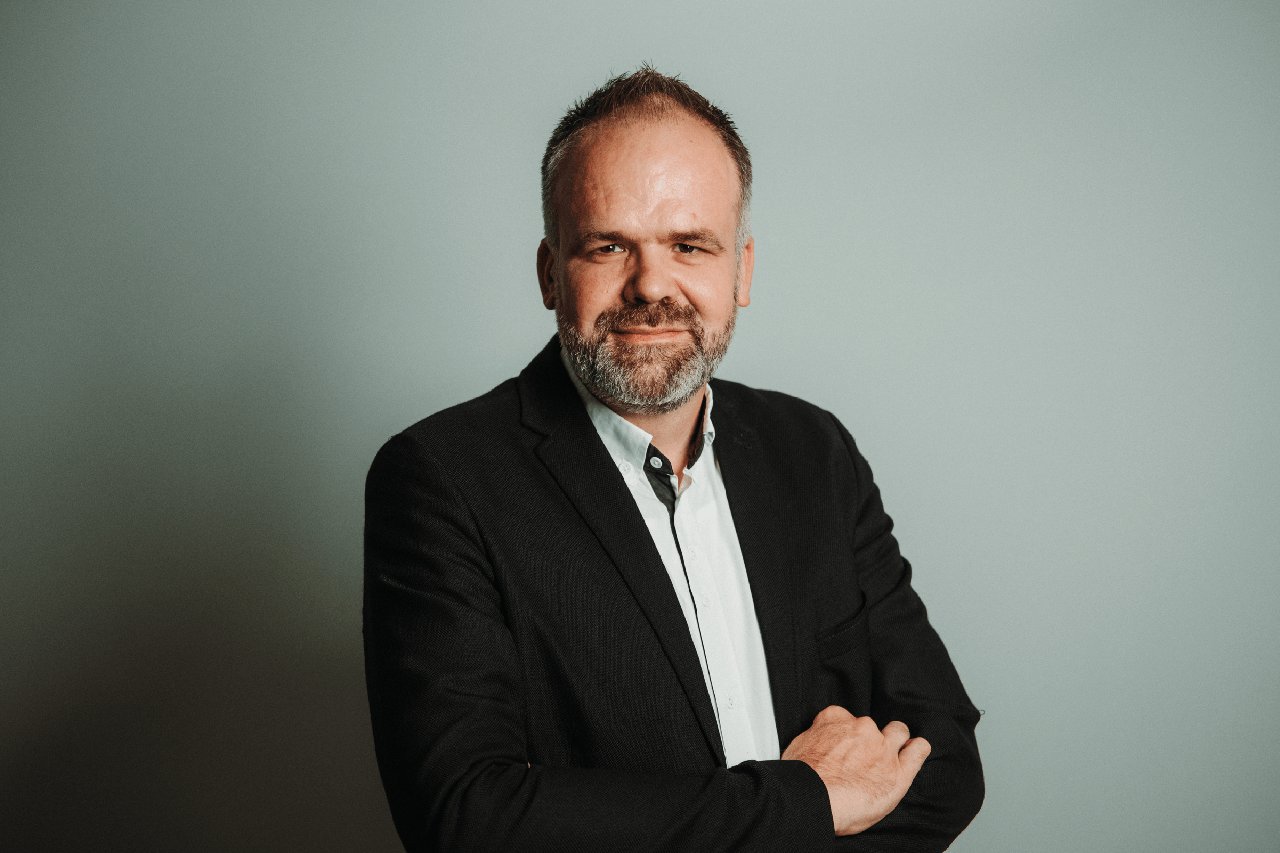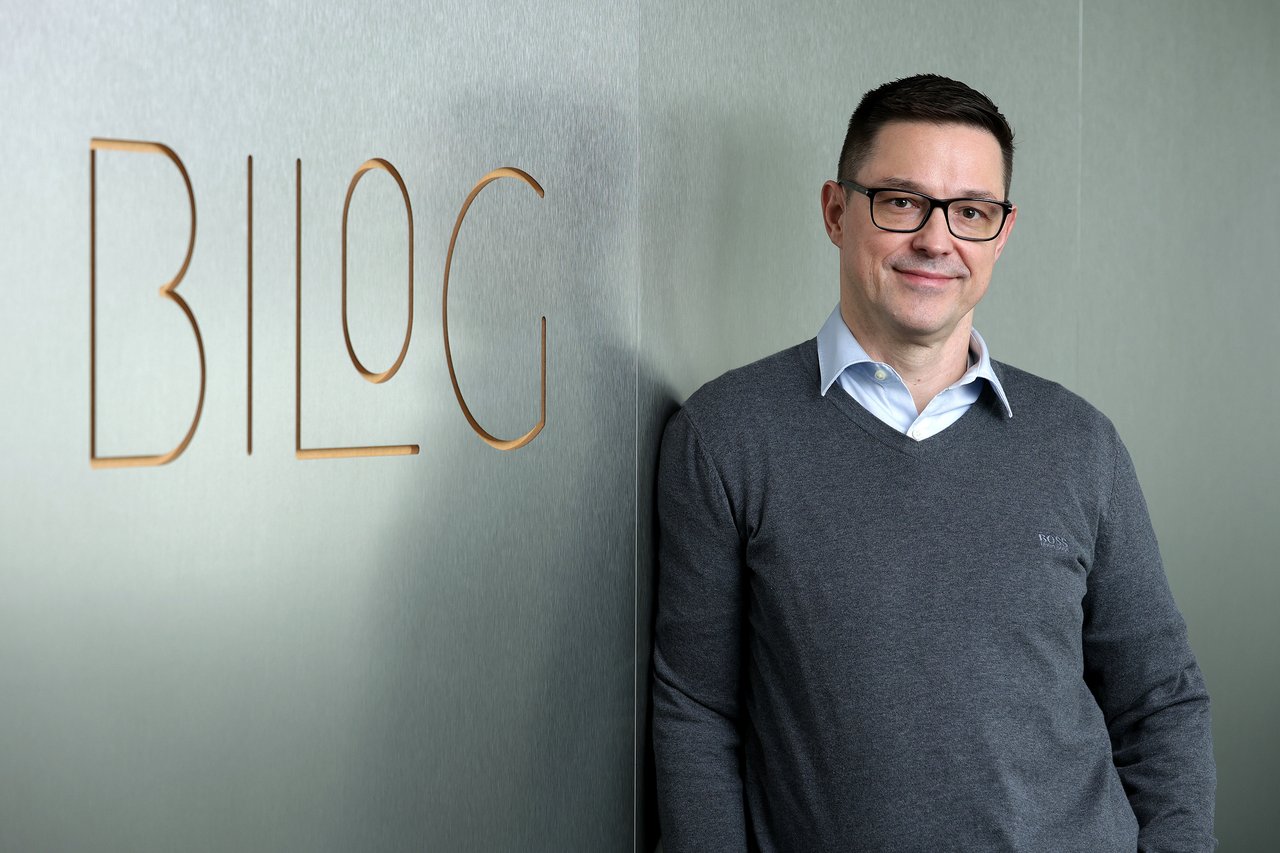
As one of the oldest domestic information technology (IT) companies, and after 26 years of existence, BiLog continues to develop and grow. From the beginning, emphasizes Tomislav Videc, a member of BiLog’s Management Board, the company has developed and continues to evolve alongside demanding clients, primarily in the financial sector, where security, reliability, and compliance are the basic standards of business. Working in such an environment, he points out, has strongly shaped BiLog’s approach to technology and business development.
What else has influenced the company’s development so far?
– The key to our long-term success is investing in people and developing their competencies, as well as close collaboration with clients and monitoring their needs. Through complex projects, we have built domain expertise and gained the trust of large systems. We have gradually transformed that experience into standardized approaches and solutions so that key processes are resolved consistently, rather than developing each project from scratch. Such a model allows clients greater operational efficiency, better process manageability, and decision-making based on relevant and timely information.
Why do you most often work with banks and insurers?
– It is precisely in the financial sector that we have the deepest domain expertise and the most complex integration scenarios. In such systems, the value of standardization, automation, and quality data management is most clearly expressed. At the same time, we also collaborate with large state institutions and companies from the real sector, especially those with a large number of employees, multiple locations, and a need for process standardization. Geographically, we are most active in Croatia, Slovenia, Hungary, and Bosnia and Herzegovina, with a number of projects in Austria, Germany, or Switzerland. Such regional presence has proven to be very practical as the markets are similar enough for us to transfer good practices, but also different enough for us to continuously learn and further develop the flexibility of our products.
What are the trends in the digital transformation of financial industries?
– Currently, three trends are most pronounced. The first is the need to shorten the time to market for new products and functionalities, with greater adaptability without long and expensive development cycles. The second is a stronger emphasis on operational efficiency, standardization, and traceability of processes, and the third is an increasing emphasis on data-driven business management. Financial institutions are increasingly investing in reliable indicators, dashboards, and a unified view of clients, products, risks, and results because without this, it is not possible to manage complex systems effectively and make timely business decisions. In this context, interest in artificial intelligence is also growing, but its real value only becomes apparent when the underlying processes are adequately digitized, data is well-structured, and systems are well-connected. In banking, insurance, and other financial activities, AI therefore makes the most sense as an upgrade to organized processes and quality data.
What key solutions and services do you offer?
– We offer a combination of our own products and project delivery. Our portfolio includes Phoenitian, a core insurance solution that covers all key insurance processes and all lines of insurance, Product Studio, a tool for managing products and portfolios, Akira HRM, a human resource management system, and DataStudio, a data management and analytics solution. In addition, we provide business and technical consulting, implementation, integrations, support, and custom development when there is a clear business reason and real client need. In practice, we often apply a gradual modernization approach: retaining parts of the system that work well while selectively improving those that slow down development, complicate integrations, compromise data quality, or limit user experience. Such an approach allows clients better risk control, gradual phases of realization, and measurable business results.
What distinguishes Phoenitian?
– Phoenitian stands out by integrating all lines of insurance and all key insurance processes into one platform, from product development and sales to policy and claims management, finance, reporting, and regulatory compliance. In many companies, these processes are still distributed across multiple systems, and life and non-life insurance are managed separately, which increases integration risk and operational costs. Our approach is different: one platform, clear roles, and the ability for the insurer to take a large part of product and rule management into their own hands. Product Studio plays a special role here, as a tool that allows products, packages, rules, and variants by channel to be changed quickly and controlled, with clear tracking of changes. We also place a strong emphasis on data, and Phoenitian provides users with support for business decision-making based on information extracted from data, with the ability to analyze causes and trends.