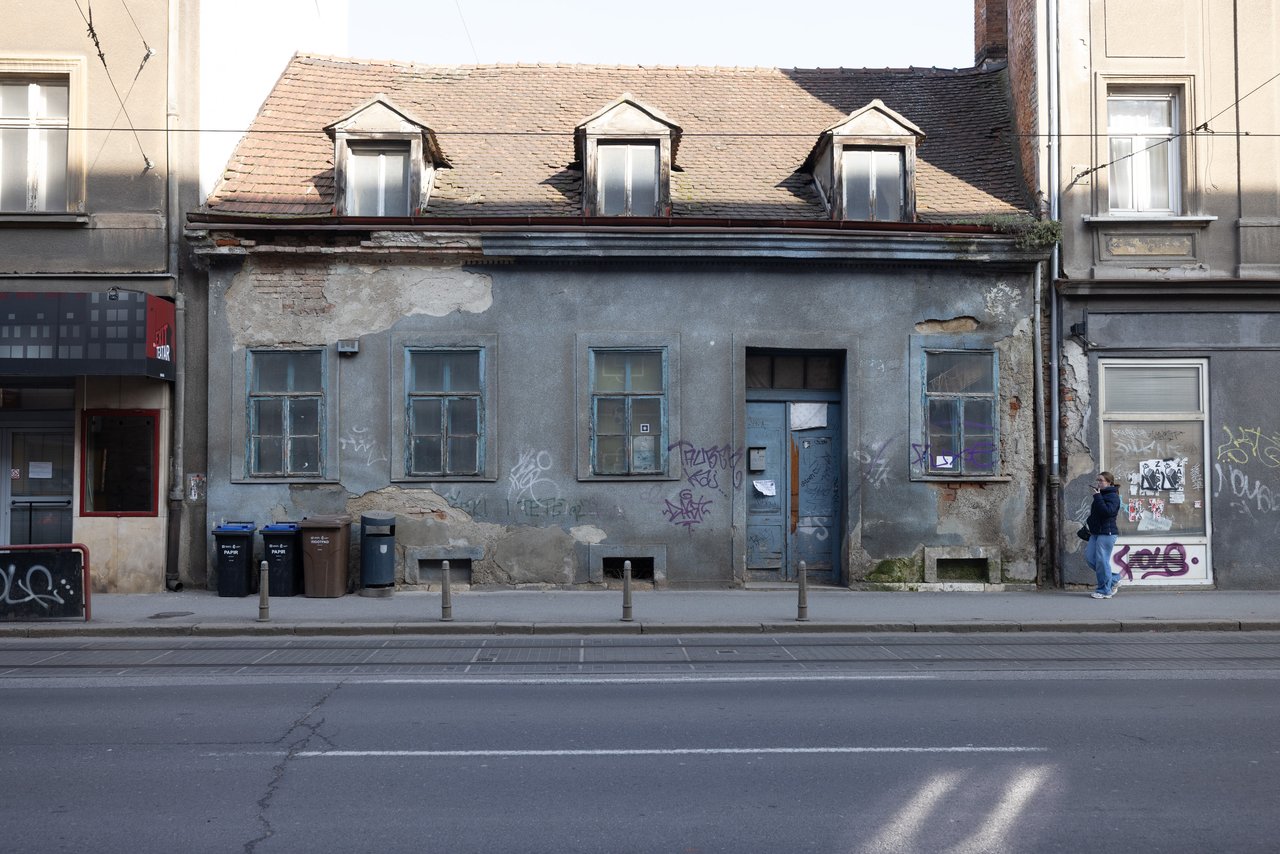
In addition to disrupting the appearance of cities, dilapidated facades and buildings in decay in the centers of Croatian cities pose a serious threat to the safety of passersby. Residents and visitors of Zagreb were convinced of this after the earthquake in 2020, despite the long-term renovation that is still not complete.
For comparison, Dutch cities like Amsterdam or Rotterdam address the issue of neglected buildings much more decisively through clear legal obligations, and their inspections regularly visit problematic neighborhoods. There, local authorities issue binding orders for renovation, and if the owner does not respond, they organize the work themselves and charge the full cost to the owner through enforcement or registration of a lien on the property.
In the event that the owner does not renovate the building by a certain deadline, monetary fines are calculated daily or weekly and can quickly become very expensive.
Although the system of so-called state mortgages, under which the state renovates the building and then registers as a secured creditor, has not yet taken off here, the legal frameworks for forced renovation at the owner’s expense already exist and are being used more actively.
To encourage owners of neglected buildings and facades to renovate and restore their facades for the benefit of all, the state has at its disposal both a ‘carrot’ in the form of generous European funds for energy renovation and a ‘stick’ in the form of municipal inspectors and inspections.
Zagreb Establishes Order
Currently, there are 179 active procedures in Zagreb aimed at removing damage from dangerous parts of facades, and for 139 of them, decisions have already been issued ordering co-owners to undertake urgent renovations.
– The handling of these cases is regulated by the Construction Inspection Act, which gives municipal inspectors the authority to order owners to remove damage that poses a danger to human life – state the City of Zagreb.
However, the City warns that in the case of non-compliance, the work can be carried out by a city contractor, but at the full expense of the co-owners. This means that the City independently hires a construction company to renovate the facade, and the bill for that work is then forcibly issued to the owners, creating a direct claim against the co-owners.
Additionally, monetary fines can be imposed on those who do not comply with the decision. Namely, based on the General Administrative Procedure Act, monetary fines for individuals can reach up to the amount of two average annual gross salaries, while for legal entities, this amount can reach up to ten annual gross salaries.
According to the latest data from the Croatian Bureau of Statistics, the average monthly gross salary in Croatia for December 2025 was 2087 euros, which means that the average annual gross salary is around 25 thousand euros, so the maximum fine that can be imposed on an individual to force them to renovate can rise to almost 50 thousand euros, while it can cost entrepreneurs up to 250 thousand euros.
Nevertheless, despite these strict measures, the City of Zagreb notes that in most cases, co-owners initiate the work themselves as soon as they receive the official decision from the municipal inspector.
– According to the Construction Inspection Act, the municipal inspector orders the owner or co-owners to remove damage to the facade or roof of the existing building that is not part of the load-bearing structure and poses a danger to health or life. The same decision also mandates the appropriate marking of the building as dangerous until the identified damage is completely removed – explain the City.
The State and Cities Co-Finance Renovation
When it comes to buildings registered in the Register of Cultural Goods or those within protected cultural-historical units, according to the Construction Inspection Act, the decision of the municipal inspector is also sent to the state administration body responsible for the protection of cultural goods. This, in turn, can prolong the entire process due to alignment with conservation guidelines.
Due to these limitations and the higher costs of renovating protected buildings, the Ministry of Physical Planning, Construction and State Property is trying to expedite renovations through special financing programs. At a meeting in January, the Government adopted the Program for the Renovation of Facades for Existing Buildings, which is intended for buildings under cultural protection, which often cannot be renovated through classic energy renovation or require only minor interventions, such as damage repair, graffiti removal, or facade painting.
– The special program enables the renovation of such facades with the aim of preserving views and improving the appearance of cities – explained Minister Branko Bačić.