Home / Lifestyle and Trends / A Brand That No One Knows, Yet Earns More Than Coca-Cola and P&G

A Brand That No One Knows, Yet Earns More Than Coca-Cola and P&G

kirkland, trgovina, costco, lanac, robna marka
kirkland, trgovina, costco, lanac, robna marka / Image by: foto Shutterstock

While consumer brands compete for public attention with millions of dollars spent on expensive advertisements and contracts with top celebrities, there is one brand that spends not a cent on marketing yet earns more than Coca-Cola, Nike, Starbucks, or even Procter&Gamble.

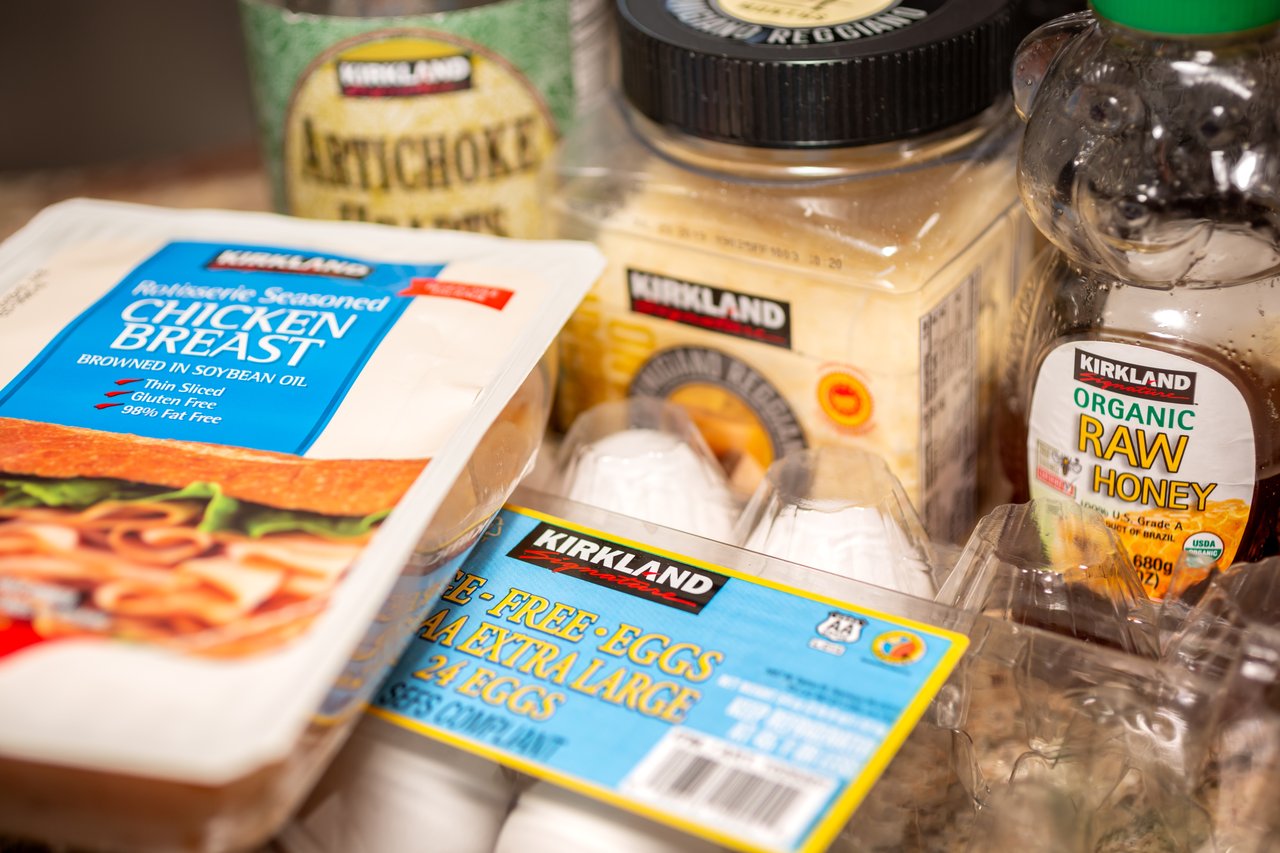
This brand is Costco’s private label, Kirkland Signature, which generated an astonishing $86 billion last year. For comparison, the giant Procter&Gamble achieved sales of $84.3 billion last year, while Coca-Cola made a mere $48 billion. Kirkland accounts for about 25 percent of Costco’s total revenue, and sales alone in 2023/2024 have increased by 50 percent.

It is particularly interesting, and some might say bizarre, that very few people actually know anything about this brand, or that there are rare customers who would even remember this giant when listing the most lucrative brands in the world (Kirkland Signa… what?), even though everything from vodka and olive oil to hearing aids is sold under that name. Kirkland is, therefore, a story that transcends the idea of a cheap alternative (as private labels actually are), demonstrating that it is possible to do good marketing without marketing, but also what customers actually seek from consumer brands.

Quality and Affordability

Recently, the company Havas conducted a study called ‘Purchasing Power’ which showed that consumer preferences have changed significantly in recent years. Although customers differ according to archetypes (optimists, frugal types, etc.) or the country they come from (e.g., Germans prefer transparency, Poles look for lower prices), they all share a common search for value.

Value does not necessarily mean the lowest price but one that seems fair and aligned with quality, which is assessed using various sources such as previous experiences, comparisons with other providers, or product reviews. In line with the search for value, as the research showed, their trust in discount products is growing, as is the popularity of private labels.

The rise of Kirkland Signature is therefore a fundamental change in the world of consumer products. Traditionally, private or store brands have been positioned as cheaper, inferior substitutes for well-known brands, generic options that customers choose when their budget is tight. They have rarely been considered serious competition for established players. Costco has overturned this paradigm. Although the packaging design looks like something made in the eighties, Kirkland is not positioned as a cheap alternative but as a premium offering that, coincidentally, costs less.

As marketing expert Jeffrey Lynn Slater, who hides behind the blog Marketing Sage, writes, Costco’s unwavering commitment to quality sets it apart from other brands. While many retailers use their private labels primarily as a way to increase margins, Costco approaches Kirkland products with a completely different logic: they must be equal to or better than the main product in the category while also offering significant savings.

Anti-Marketing Strategies

This initial setup has been enhanced with a few (anti)marketing tricks. As marketing expert Alex Chu wrote on the Medium platform, a classic marketing handbook would state that a brand wishing to highlight exclusive quality must have eye-catching packaging design and a price that emphasizes status. Naturally, it would be ideal to attract as many customers as possible, which is why investments would be made in collaborations with influencers, emotional storytelling, and lifestyle-marketing. However, the Kirkland Signature handbook states something completely opposite: packaging is reduced to basic information, prices are not aligned with quality, and not a cent is allocated for advertising.


Chu tested as many as two thousand consumers who tasted identical products; one was in premium packaging, the other in Kirkland packaging. A full 85 percent rated the premium product higher, and when the truth was revealed, 73 percent said they would actively choose Kirkland from then on. In other words, Chu writes, Kirkland does not sell products but rather the feeling of being an insider who has figured out the (marketing) game.

The company plays this card when it comes to products as well. Namely, Kirkland products are made by factories that also produce well-known premium brands. For example, Kirkland batteries are actually Duracell, Kirkland vodka is allegedly Grey Goose, and the olive oil comes from the same Italian factory that produces for premium brands. However, Costco’s private label does not advertise this anywhere; consumers find out for themselves and share these ‘insider’ pieces of information among themselves.

Besides being exciting, this ‘identification’ of products has made the purchase itself exciting for Kirkland, or rather Costco. Specifically, like luxury brands, it stimulates desire by creating artificial scarcity, a feeling that something will be missed or lost if not purchased immediately.

Products randomly appear and disappear, stores do not have the same inventory on every visit, and customers feel like they are on a treasure hunt, which is why they often buy more than they planned. As marketer Chu notes, chaotic inventory is neither a coincidence nor a mistake, but a strategy that turns routine shopping into a game with variable rewards; behind it lies the same psychology that draws people to gambling.

Psychological Game

The psychological trap is also created by the membership fee at Costco. Clearly, for the price of membership, the customer receives benefits, but when they pay between $60 and $120, the brain convinces them that they must shop in that store to ‘recoup’ their investment. It should be noted that all these marketing strategies, as well as the initial idea of selling premium quality at a favorable price, cannot be copied by all brands, not even all those operating in retail.

This works in the case of Kirkland because 129 million membership cardholders guarantee volume, allowing Costco to secure massive production runs for its manufacturers and negotiate preferential prices. It also collaborates directly with primary producers, eliminates intermediaries and their margins, and converts those savings into lower shelf prices. And, finally – it does not spend on marketing.

Now, while only a few large players can completely replicate this perfectly tuned system, it does not mean that other brands cannot learn anything from Kirkland. On the contrary: Kirkland Signature is clear evidence that when it comes to consumer goods, the customer chooses value over brand and price.

Furthermore, it shows that in an era of marketing fatigue, sometimes it is smarter not to follow traditional handbooks, to let consumers discover value for themselves (provided it exists for them, that it is not merely declarative), rather than explaining it to them. It also shows how membership models affect consumption psychology, and that emotional storytelling is completely unnecessary if the price-quality ratio is well balanced.

Or, as Marketing Sage concluded, the quiet Costco giant has forever changed the relationship among retailers, manufacturers, and consumers. In Kirkland Signature, one does not see just a successful brand but also a blueprint for a future where power is in the hands of those closest to the customers.

Tagged: