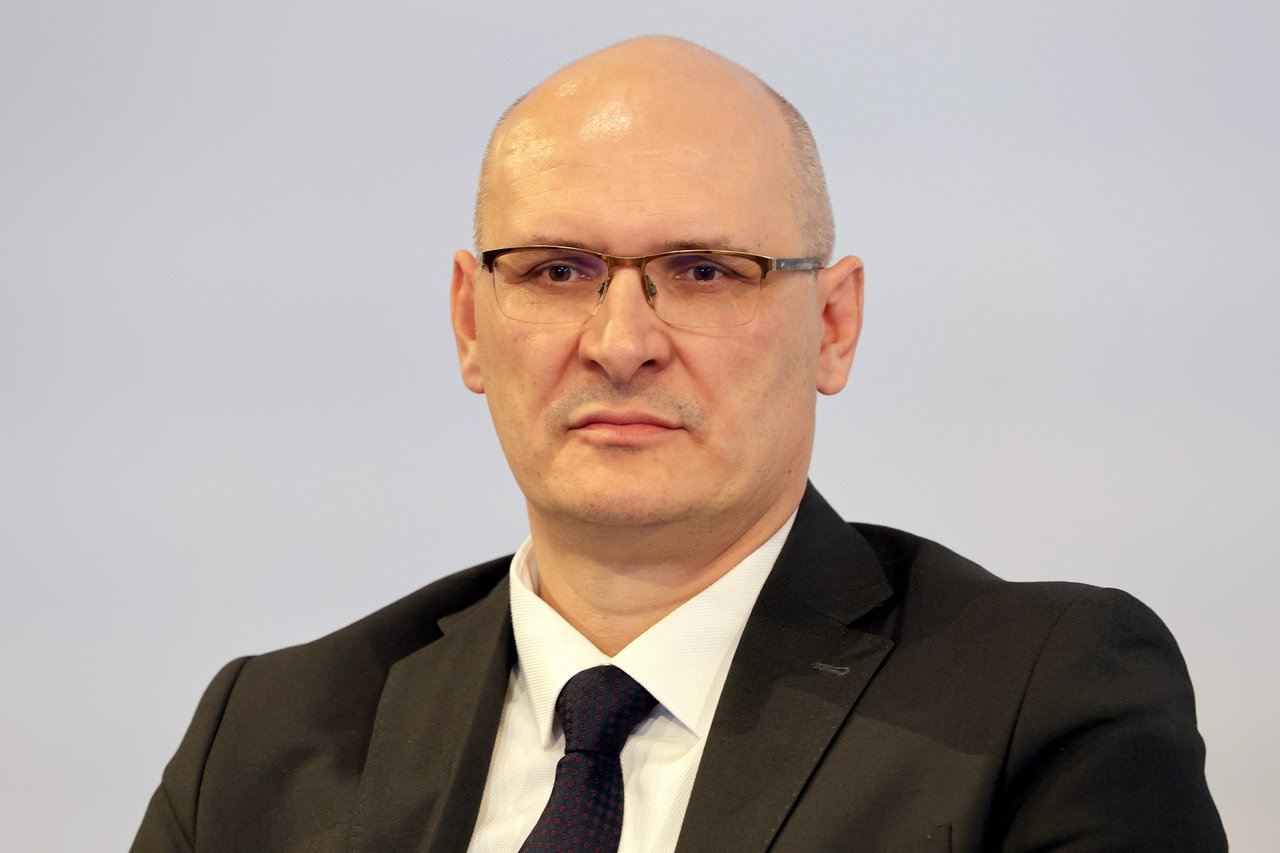
I spoke with Goran Čačić, senior project manager and president of the Assembly of the Green Energy Cooperative (ZEZ), who told me about the practically impossible operation of energy communities due to administrative problems.
Simply put, energy communities are legal entities that enable citizens, small entrepreneurs and craftsmen, representatives of the public sector, but in some cases also larger companies that are not primarily engaged in energy, to directly participate in the production of their own renewable energy.
For example, an energy community can be formed in a neighborhood or part of a city where citizens, entrepreneurs, and craftsmen living there do not have enough roofs to produce sufficient amounts of energy from solar power plants. This may be due to small available roof areas for citizens living in high-rise buildings with many tenants or for citizens living in protected areas or historical city centers where there is a ban on placing panels on roofs.
In such cases, citizens can form an energy community and, with its help, raise funds and lease a large roof on a production hall or on a school gymnasium nearby and build their power plant on it to produce electricity for themselves.
No Adaptation
Although the establishment of energy communities has been legally enabled since 2021, only three have been registered in Croatia so far: My Energy Community (MEC) in Zagreb, the Northern Adriatic Energy Community in Rijeka, and the Špičkovina Energy Community within the local volunteer fire department. However, none of them is doing much.
Čačić told me that one of the key problems is that HEP ODS has not yet adapted its technical system to enable the sharing of that energy (electricity) despite its legal obligation to do so. However, he added that this project, according to his information, is nearing completion and should be finished in the first quarter of this year, but in ZEZ they believe it should have gone much faster.
To explain, sharing energy among members of the energy community is the basis of their business model. The production facilities that generate energy and the members who use that same energy in their homes or businesses are part of that model. Production facilities can be owned by the community itself if the members have jointly invested in them, and then the production from that system is shared according to each member’s individual investment or as the community agrees.