Although the crisis in Agrokor is alarming, analysts at Addiko Bank have maintained their growth estimate for the Croatian economy this year at 3.5 percent, thanks to strong domestic demand, yet another record tourist season, financing from EU funds, and export growth which remains the backbone of recovery.
However, they emphasize that financial issues and uncertainties related to Agrokor still pose a negative risk.
>>>The extraordinary administration has been expanded to about 20 companies in which Agrokor holds at least a 25 percent stake
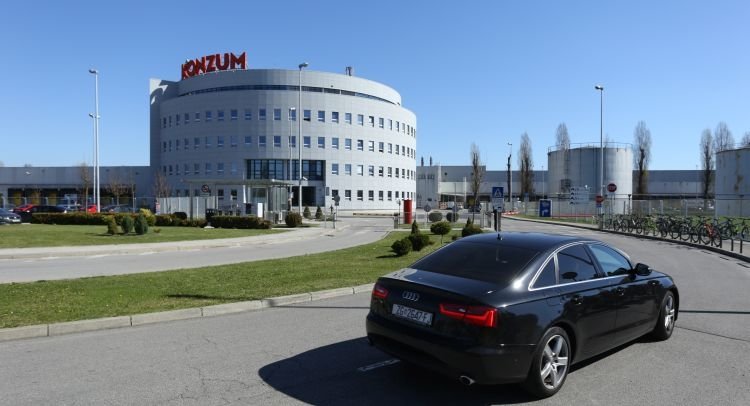
“Given the decline in financial outputs of the systemically important food and retail group Agrokor, whose sales account for 15 percent of GDP, the size of the restructuring which is still unknown, rehabilitation, and potential reduction of around 2000 companies with strong business ties to Agrokor, we see negative risks, but it is too early to quantify them,” say analysts at Addiko Bank.
However, they also believe that there are several positive factors that will mitigate the negative impact of Agrokor, such as the record tourist season, commodity exports, stronger financing from EU funds, and foreign direct investments, as well as fiscal easing.
>>>Miodrag Šajatović: A Silver Lining – The Crisis of Agrokor Will Be Mitigated by the Growth of Global Demand
Exports continue to benefit from moderate EU demand, competitive gains, and further integration into global value chains, say analysts at Addiko.
Monetary Easing
Further monetary easing has been enabled by a higher surplus in the balance of payments, a stronger external position of banks, and the expected exit of the country from the Excessive Deficit Procedure (EDP) in the spring of this year.
Despite fiscal easing this year, public debt is likely to continue to decline, which, along with a stronger macro and reform momentum, still accommodating policies of the European and Swiss central banks, and better rating prospects, paves the way for further risk reduction.
>>>Agrokor: Ramljak Reported on Bills of Exchange and Cash Flow, Explained the Amount of Debt
While maintaining the GDP growth estimate for this year, Addiko has slightly reduced its estimate for consumer price growth to 1.4 percent, but there is a risk of raising it due to the impact of yet another record tourist season on demand strengthening, potential dollar strengthening, and post-election administrative increases in energy prices.
Restructuring of Agrokor a Negligible Threat
The budget deficit last year was unexpectedly significantly reduced to just above 1 percent of GDP, mainly due to curbing consumption during the technical government, as well as investments from EU funds, the analysis states.
However, after two years of strong fiscal consolidation, analysts at Addiko expect fiscal easing this year, with a deficit of around 2 percent of GDP, due to tax reductions, increases in public sector wages, higher expenditures on EU-funded projects, increased defense spending, and rising healthcare debts.
“With a short-term impact on GDP growth and tax revenues, the restructuring of Agrokor represents a negligible threat to the budget, if the new law (lex Agrokor) leads to taxpayers covering the costs of the company’s restructuring and exposing the state to numerous lawsuits due to non-market practices,” say analysts at Addiko.
However, according to the baseline scenario, they expect that stronger GDP growth and low interest rates will lead to a further decline in public debt to 82.5 percent of GDP. At the end of last year, public debt was 84.2 percent of GDP.