
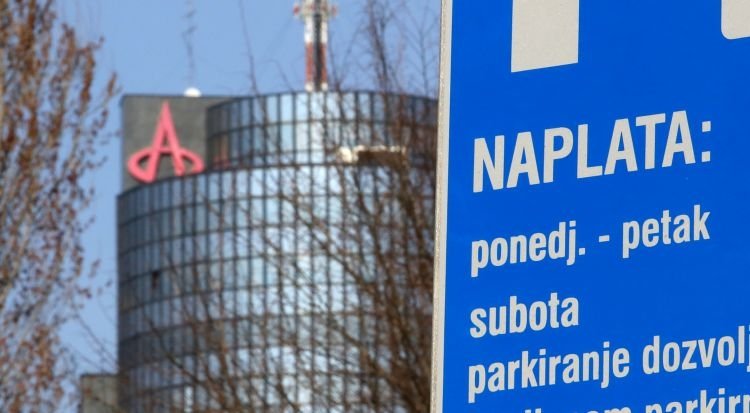
Ministers of trade and economy from Serbia, Slovenia, Montenegro, and Bosnia and Herzegovina, who met on Wednesday in Belgrade to discuss the issues of “Agrokor”, have formed a ministerial team that will communicate daily to exchange information and undertake joint measures to preserve jobs, the interests of suppliers, and the stable operation of companies within this conglomerate in those countries.
According to a statement following the meeting with Serbian Prime Minister Aleksandar Vučić, the ministers agreed that each of these countries will henceforth control the financial and commodity flows of companies related to “Agrokor”.
The ministers also expressed their readiness to engage in talks with representatives of the Croatian government to stabilize the operations of this conglomerate.
“Agrokor” is being rescued in Zagreb – where the new government commissioner is trying to settle suppliers and restore the liquidity of the conglomerate, but also in Belgrade where representatives of the four countries agreed on measures to protect companies operating within that company. Essentially, the statement notes, the region has a common problem.
The ministers expect that the new head of “Agrokor” will appoint independent experts for the successful restructuring of companies within the conglomerate, as stated in the conclusion of the meeting.
>>> Vučić announced that he will not allow the outflow of money from Agrokor’s companies in Serbia
It was also emphasized that there is an expectation that the new management of “Agrokor” treats all suppliers equally, both those in Croatia and those outside it.
Serbia will not allow domestic companies to suffer damage due to “Agrokor”, pointed out Prime Minister Aleksandar Vučić at the beginning of the meeting with representatives from Slovenia, Montenegro, and Bosnia and Herzegovina.
Serbian Minister of Trade Rasim Ljajić stated that Serbia is in a somewhat better position than other countries where “Agrokor” has companies, as “Merkator S”, which employs about 9,000 workers, is majority-owned by the Slovenian “Merkator”.


