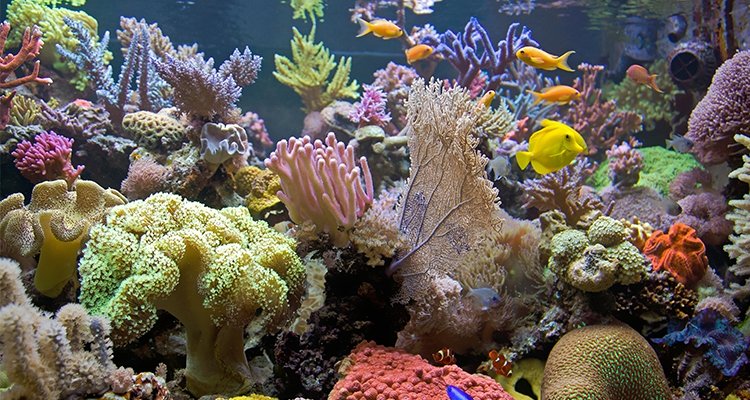
The disappearance of algae over the past few years has led to the loss of two-thirds of Australia’s Great Barrier Reef, according to BBC reports on new scientific research.
An unprecedented ‘bleaching’ process, which means that the symbiosis between corals and algae ceases, leaving behind white coral skeletons, has affected approximately 1500 kilometers of the formation, as shown by new aerial images studied by scientists. The latest damage has hit the central part of the reef, while last year the bleaching process affected the northern part of the reef. Experts believe that the proximity of the affected areas offers little hope for coral recovery.
Professor Terry Hughes from James Cook University stated that governments must urgently respond to climate change to prevent further bleaching of the reef.
– Since 1998, we have witnessed four such events, but the intervals between them have varied significantly, and this is the shortest interval we have seen, Hughes told the BBC, adding: – The sooner we take action against global greenhouse gas emissions and move away from fossil fuels in favor of renewable sources, the better.
As part of the latest research, around 800 coral reefs along a belt 8000 kilometers long were studied. The analysis shows that only the southern part of the reef remains unaffected by bleaching. Scientist James Kerry states that the extent of damage in the central part of the reef corresponds to that observed last year in the northern part of the reef.