Home / Information / Psychologists: Don’t Lie to Children About Santa Claus!

Psychologists: Don’t Lie to Children About Santa Claus!

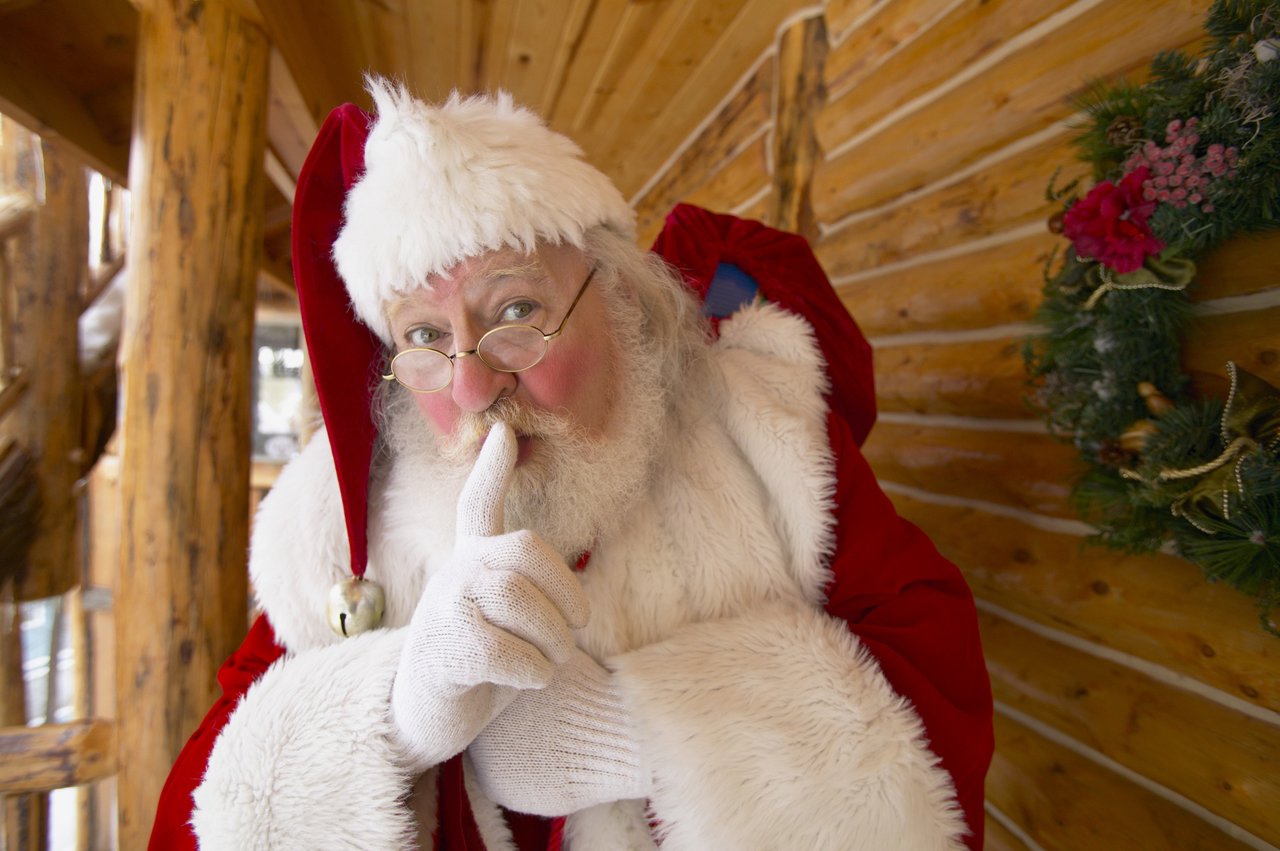
British psychologist Christopher Boyle and Australian sociologist Dr. Kathy McKay advise parents to stop telling children that Santa Claus is a real figure because, in their opinion, such a “lie” can damage the relationship with their offspring and undermine the child’s trust in them.

Boyle and McKay also view negatively the story of the “scary” secret service that operates at the North Pole and assesses whether children have been good or naughty.

“If parents are capable of lying about something so special and magical, can they be trusted as moral individuals in other situations?” the scientists pose the question in the journal Lancet Psychiatry. Selfish Parents

At the same time, they present the hypothesis that parents are not actually encouraged by their own children to tell stories about Santa Claus, but rather by a selfish desire to relive their own childhood.

Prof. Boyle from the University of Exeter states: “The moral aspect of our desire for children to believe in such myths is questioned. Because in the end, all children eventually find out that they have been consistently lied to for years, which may lead them to wonder what else their parents have lied about. Such a ‘lie’ may have a very negative impact on some children.”

Dr. McKay from the University of New England in Australia says that evidence of the viewership of fairy tale films about Santa Claus indicates that adults want to be children again.

“The enjoyment of adults in stories and films like those about Harry Potter, Star Trek, and Doctor Who indicates their subconscious desire to briefly return to childhood,” says McKay.

‘Wonderful Lie’

In an article titled “Wonderful Lie,” the authors write: “When it comes to the story of Santa Claus, perhaps the greatest moral error is that the truth must eventually come to light.”

“Children eventually find out that their parents have been lying to them for years. They learn the truth from a third party or from parents who become bored of ‘lying’ about the existence of Santa Claus. Both can affect the trust between parents and children. If they lied to me about Santa Claus, even with good intentions, what else was a lie? If Santa Claus doesn’t exist, are fairies real? Is there magic?” are the questions children will ask.

Although many adults long for a time when imagination was accepted and encouraged, they must realize that one must eventually grow up, conclude Boyle and McKay.