Home / Information / HGK: Holiday spending estimated at 12 billion kuna

HGK: Holiday spending estimated at 12 billion kuna

The Croatian Chamber of Economy (HGK) estimates that Croatian citizens will spend slightly more than 12 billion kuna during this December, which is half a billion kuna more than in December last year, said Tomislava Ravlić, Assistant Director of the Trade Sector at HGK, on Friday.

The most purchased items during December are toys and products for children, footwear and clothing, as well as electronic equipment, with the peak spending days being the weekend before Christmas and the period from December 19 to 24, Ravlić stated at a press conference on holiday spending.

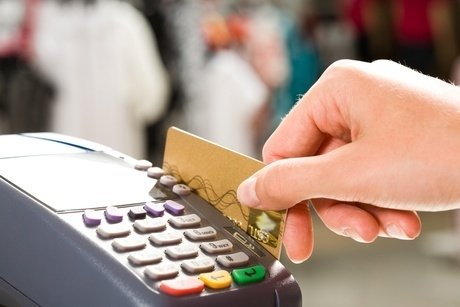
Every third product in December spending goes to food and beverages, says Ravlić, adding that indicators over the last two years show that credit card purchases have increased in the last quarter.

“Trends in Europe show that citizens are increasingly mindful of turning to domestic products, so I would call on everyone to make our slogan this holiday season – give Croatian,” Ravlić urged, inviting consumers to prioritize domestic products and retailers to offer as many as possible in their holiday offerings.

Ema Culi, Director of the Trade Sector at HGK, noted that retail sales in the last three months (July, August, and September) have been growing at an average rate of 4.7 percent.

“By purchasing domestic products, we stimulate consumption, which, along with exports and investments, is one of the important factors in initiating a new economic cycle,” she said.

Culi also mentioned that retail sales in the last three months (July, August, and September) have been growing at an average rate of 4.7 percent, which is an above-average growth rate since 2007.

Real turnover growth is also recorded on a cumulative level, with a 3.7 percent increase in the first nine months of this year compared to the same period last year, but it is still lower by 12.2 percent compared to the same period in 2008.

“We expect that retail sales could increase by at least 3.2 percent this year compared to last year, thanks to greater consumer optimism and two years of continuous sales growth,” Culi said.

When asked how seasonal discounts, which for the first time this year start after Christmas on December 27, will affect consumption, Ravlić reminded that retailers have the right to use promotions and sales, estimating that the later timing of seasonal discounts will not significantly impact purchases before Christmas itself.

Ravlić does not expect the current salmonella situation to significantly affect holiday spending. “We do not expect the salmonella situation to significantly impact consumption. Citizens will be more cautious, they will not buy products from companies where salmonella has been found, they will buy those products from other companies or turn to other types of products,” she said.

Due to salmonella, meat sales have fallen by about 30 percent

Culi stated that recent salmonella issues have reflected a decline in meat sales, approximately at a level of around 30 percent.

The sales of frozen chicken and fresh turkey breasts have dropped the most, she said.

“We expect inspections to continue doing their job and to remove such products from the market, but if this situation lasts longer, it could also affect domestic production, which would not be good. However, we expect that, with the efforts of all relevant government bodies, the situation in the Croatian market will stabilize soon,” Culi said.