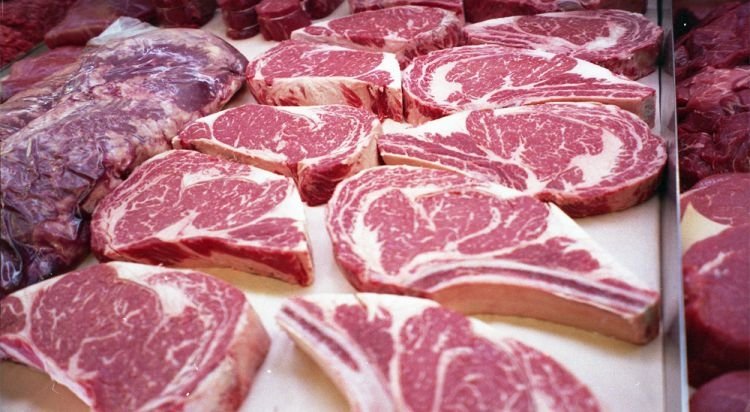
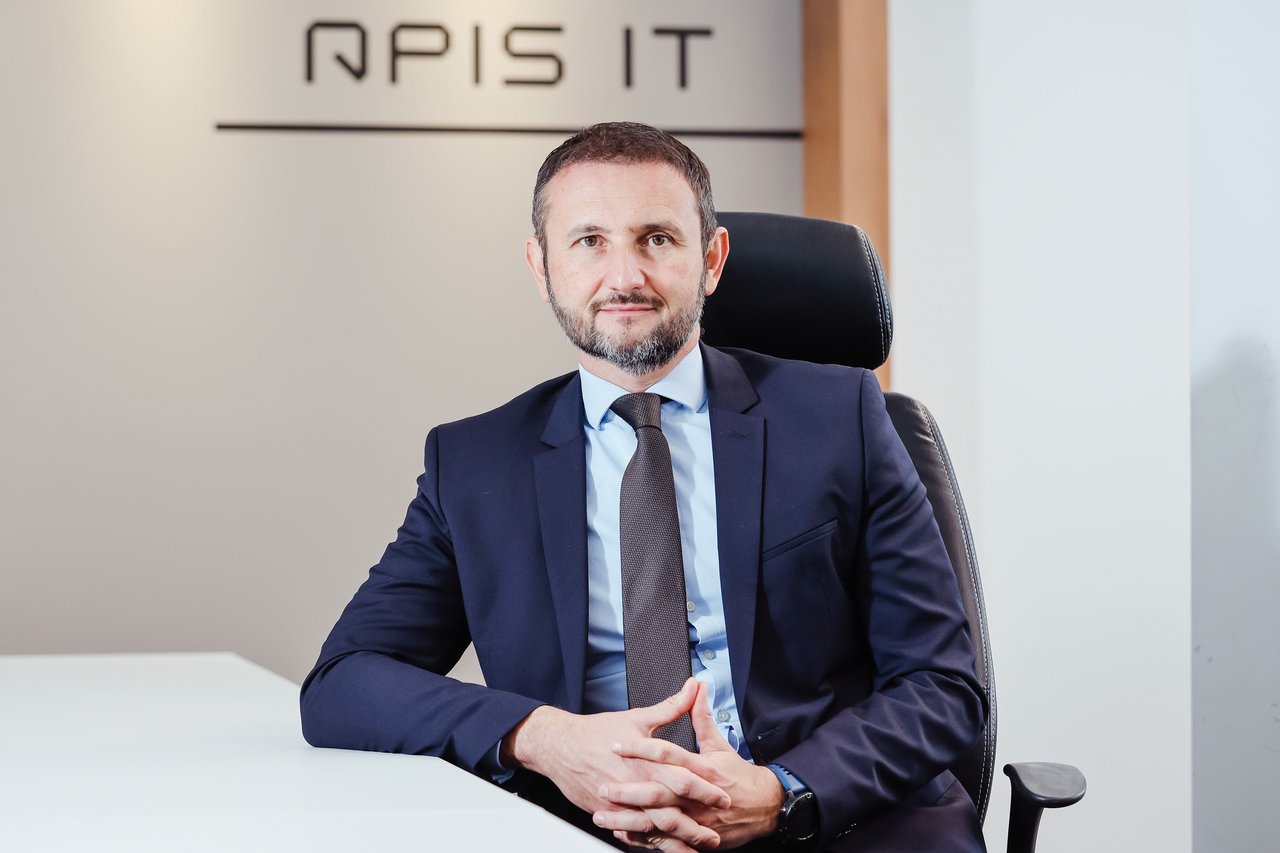
The Ministry of Agriculture reported on Wednesday about the findings of salmonella in chicken produced for Metro Cash & Carry and turkey in Kaufland. Salmonella was found in frozen A-class chicken breast fillets and fresh turkey breasts, fueling an already heated debate about the origin and health safety of the food we consume. Accusations are flying from all sides, but they are largely directed at large retail chains and importers, which Dragan Munjiza, a successful manager well-versed in the structure and operations of large retail chains and director of the consulting company Jakov Viktor, commented on for Lider.
It is known that frozen meat comes from Russia, Argentina, and other, mostly distant countries; it is clear that Croatian prosciuttos are made from Spanish pigs. Why would someone in Slavonia make ham of Spanish origin? Probably to access EU funds.
What do you say about the current public debate on the quality of imported food and products in large retail chains? How are such oversights possible?
It is the same as when people run a red light. Not everyone gets caught; some manage to escape because they encounter a police officer who is in a good mood that day or they have a good lawyer. You know, a lot of people have run a red light and then escaped punishment through a good lawyer. What is important in this whole story is to notice that one ambiguity with terms. First, when we talk about imports, it is not fully defined what is imported, because there is no more import from the European Union. You can say that it is from other parts of the EU, but not imports. Second, the quality/poor quality relationship is also subjective; it partly depends on taste and partly on consumer assessment. Third, what is exactly health safe/unsafe? Health unsafe can be both expensive and domestic. People are now using this conceptual confusion to attack retail chains. They have partly failed, but this is nothing that did not happen last year; it just wasn’t communicated to the public. For example, salmonella is present in almost all chicken, but it disappears at very low thermal processing temperatures. The problem is if people do not wash their hands after touching raw meat and then start making salad and similar. In such a discourse full of unknowns for the public, everyone responsible wants to shift the blame to someone else, and it is easiest to blame some imaginary importers. Also, a lot of Croatian products have imported components, but they are treated as domestic products because they were produced by a company in Croatia. However, when the hunt begins, then the Jews, Serbs, gypsies, and gays are to blame… Now the main culprits are importers, while a lot of Croatian production imports milk to make cheese or meat for prosciutto. So what is that? Some European product with Croatian originality?
However, it is undeniable that there are irregularities in the supply chain, which is, as you say, quite broad.
There are obviously some irregularities, but they stem from the crisis; as the crisis came and discounters like Lidl and Kaufland arrived, prices began to drop, and goods were brought in from Poland. It is unnatural for a liter of milk to cost three kuna in Lidl; this is directly destroying Croatian production. But these are the rules that currently apply in Croatia; this is legal trading practice, and it is applied throughout Europe. As soon as Lidl started lowering prices, all others had to follow. The government is the one that needs to say that the price of milk cannot be three kuna, but it cannot do so because of market competition rules. This is quite a complicated situation entangled with multiple influences, but importers are certainly not to blame. It is known that frozen meat comes from Russia, Argentina, and other, mostly distant countries; it is clear that Croatian prosciuttos are made from Spanish pigs. Why would someone in Slavonia make ham of Spanish origin? Probably to access EU funds.
So, it is a problem without a quick and easy solution; what should we do?
It is the time of slaughter, and the temperatures are high, which favors the spread of disease; it would be good to inform Croatians about the proper treatment of food. On the other hand, the state can pass a law on unfair trading practices to set a minimum below which certain products cannot be sold, which affects the entire production. Retail chains, as they are the last before the consumer, need to be forced to exceptionally control meat, fruits, and vegetables, and not to push managers to have the lowest write-off due to the crisis, so managers manipulate that goods without the knowledge of the management to meet targets. When management orders that regulations must be respected, but that the write-off of fruits and vegetables cannot exceed one percent, then that vegetable and meat slightly overlook the rules. There is also the issue of labeling authenticity; the right path is not the Chamber of Commerce with their “Original HR,” but authenticity according to the rules and standards of the European Economic Area. The consumer then knows that the product is truly authentic; you cannot buy Parmigiano-Reggiano if the milk came from cows in Bulgaria. The way the chamber defined authenticity is not right; Istrian prosciutto must be Croatian, and our products will only gain the status of authenticity when recognized as such by the European Union. Finally, it would not be bad if consumers started reading labels instead of looking for the lowest price,” said Munjiza in a phone conversation with Lider.