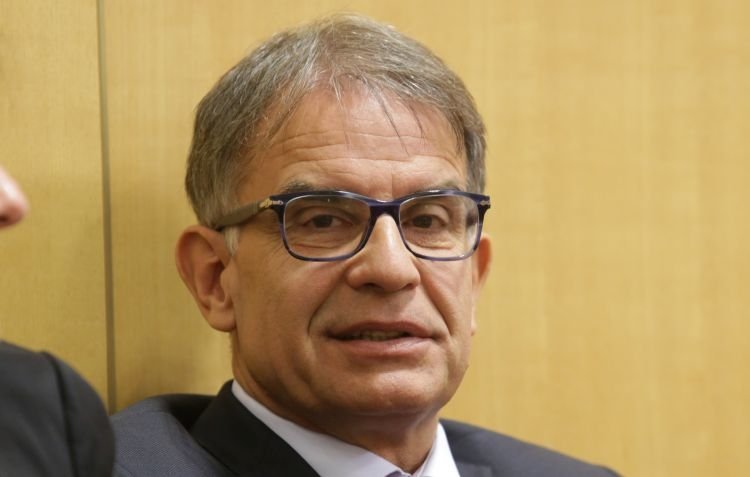
We will do everything to ensure that 2017 is as successful in tourism as this year, and we expect continued investments, which, according to initial estimates, will rise to 800 million euros next year, said Tourism Minister Gari Cappelli on Thursday at the hoteliers’ congress.
Cappelli arrived at the 19th hoteliers’ congress, organized by the Association of Employers/Entrepreneurs in Hospitality of Croatia (UPUHH), with Minister of Labor and Pension System Tomislav Ćorić. Both participated in a panel on investments and workforce in hospitality and tourism, highlighting that they are working together to address the labor shortage in the sector, which escalated this year.
Creating conditions for better business as well as changes in promotion, with a greater emphasis on the continent and health tourism, Cappelli identified as some of the most important tasks for the Ministry of Tourism and the Croatian National Tourist Board for the coming year, underscoring the role of hoteliers.
“Hoteliers are the biggest drivers of tourism development. In Lošinj, from where I come, I saw that practically everything in the destination revolves around them, so their plans are extremely important for the overall results of tourism in Croatia,” Cappelli emphasized and called for more coordination between the state and local levels, especially regarding hotelier investments.
He announced that the government will consider more than 200 parafiscal levies related to tourism and hospitality, and that guidelines for promotion for the next year should be completed within the next 15 days.
He pointed out that he is not happy that VAT on hospitality services is rising to 25 percent, but believes that this can be compensated, especially for hospitality providers, through other measures the government is working on, mentioning the recognition of representation for hospitality providers as an expense.
Next year, we will start with five competence centers
Regarding the labor shortage, he announced that next year preparations and implementation of five competence centers will begin, which could at least partially address this problem and already yield good results by 2018. He also mentioned that the import of labor is being considered, but that the problem will first be attempted to be solved with domestic personnel.
“With our entry into the EU, our workers have access to that large market and now find it easier to go work in Europe, even though they do not necessarily earn more there than in Croatia, so it is possible that this is also why we are lacking workers. The problem is also the high seasonality of our tourism, as well as the large number of unemployed who do not have the necessary qualifications to work in tourism,” Cappelli said.
He added that retraining for tourism professions is underway, which he believes will short-term solve the problem of the shortage of part of the workforce.
At the Congress, it was heard that there are nearly 40,000 unemployed with tourism professions at the employment office, but also that many of them do not want to work in tourism at all nor can they be forced to do so.
Poor educational system