
Croatian private entrepreneurs who decide to invest in any of the European or third world countries have access to funds from European funds, as well as strong guarantees from those funds that their business will not fail, it was stated on Friday at the conference ‘Opportunities for Investments of the Croatian Private Sector in the EU and Third Countries’.
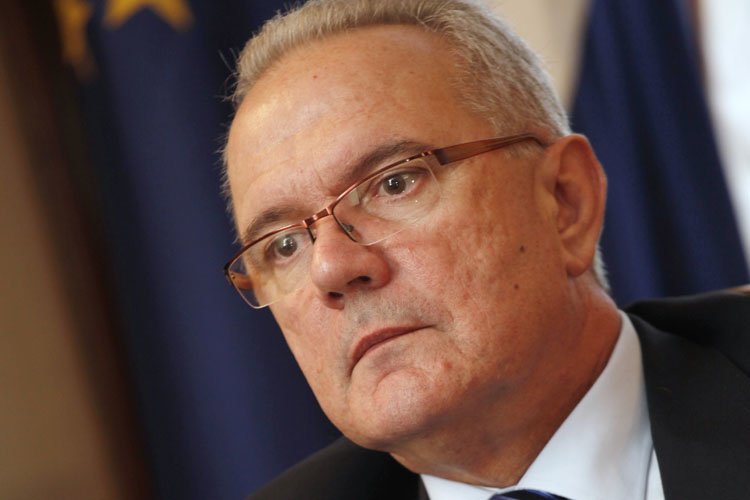
European Commissioner for International Cooperation and Development Neven Mimica, who gave an interview on this topic in the latest issue of Lider, said that Croatian entrepreneurs need to be offered concrete information about the possibilities and methods of investing with the support of the European Fund for Strategic Investments in Croatia and other EU member states, as well as investments with the help of the European Fund for Sustainable Development in African countries, the European neighborhood, and indeed the whole world.
– We want to show how to best utilize these European funds. The Strategic Fund for Investments in Europe can amount to up to 500 billion euros by 2020, but the fund for external investments can activate at least 90 billion euros. The Croatian private sector can also be a user of part of these funds, said Mimica, adding that he will strive to increase the contribution of the Croatian private sector to European development and internal investment goals.
He warned that the interest of Croatian private entrepreneurs, especially for investing in third countries in development, is very small, as so far only one company from the agricultural-food sector has applied for the mentioned European Union projects. Mimica emphasizes that Croatian companies, based on their previous work in developing markets, have both experience and partners, as well as projects that could be implemented. In those countries, our private entrepreneurs could engage in projects in energy, agriculture and food industry, construction, pharmaceuticals, textiles, and wood industry, especially since, as he said, they have access to cheap money from EU funds along with strong guarantees from those same funds. The lack of guarantees has so far been too great a risk for both Croatian and European investors to dare to invest in those countries.


