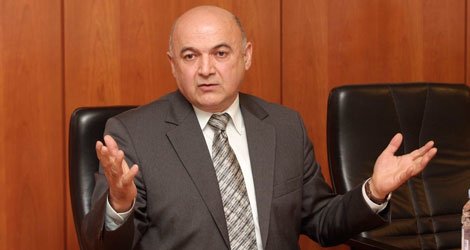
The tax reform that should satisfy both entrepreneurs and citizens. With these words, Prime Minister Andrej Plenković described a series of interventions in the country’s tax system, which, as he said, would achieve ‘the relief of entrepreneurs and citizens through the reduction of tax rates, taking into account the sustainability of public finances and the sustainability of financing local government functions, as well as achieving the key macroeconomic goal – a general government deficit in 2017 at the level of 2 percent of GDP.’ How is it possible to satisfy both entrepreneurs (employers) and citizens (employees), explains economic expert Ljubo Jurčić for Lider.
– The main thing, according to what I have been able to hear from the ruling party so far, is to increase the disposable income of citizens. They are not raising the nominal income of citizens, but are starting with a whole series of tax reliefs that would leave around two billion kuna for citizens to spend – explains Jurčić.
The government has sent 15 laws to parliamentary procedure containing amendments to the tax reform
The assumption is that Croats will spend the money obtained from the tax reform; however, who guarantees that this will be the case? Could it happen that the money obtained from lower or no income tax is redirected to savings?
– There is no guarantee that all of this will go into consumption. Government experts estimate that it will be so. However, even during the economic crisis in the USA, citizens were given a tax check as a form of relief and with the aim of increasing private consumption. The authorities also expected that this money would flow into consumption, but what happened was that the wealthy began to save even more, and the poorer segments of society followed their example, taught by the experience of bad years in the crisis. Therefore, Americans had to increase public consumption because private consumption did not grow as expected, cites the example Ljubo Jurčić, who adds that this reform is based on assumptions and expectations, which will only be proven correct or incorrect in about 6 months.
Until then, according to announcements from the government, VAT on bread, milk, and medicines remains at 5 percent, and they have also restrained the price of electricity. Where will the money come from?
– The government estimates that the tax reform will result in a growth of 0.5 percent, which increases the tax base and leads to a larger budget. A growth of 0.5 percent in kuna amounts to about one billion and 700 million kuna, calculates Jurčić.