All those who work continuously or occasionally on a contract for work or otherwise earn fees, around one hundred thousand of them, will pay social contributions starting from 2017. Pensioners, artists, and authors have not paid social contributions so far, which will be equal next year for all who earn fees, amounting to 10 percent for pension insurance and 7.5 percent for health insurance.
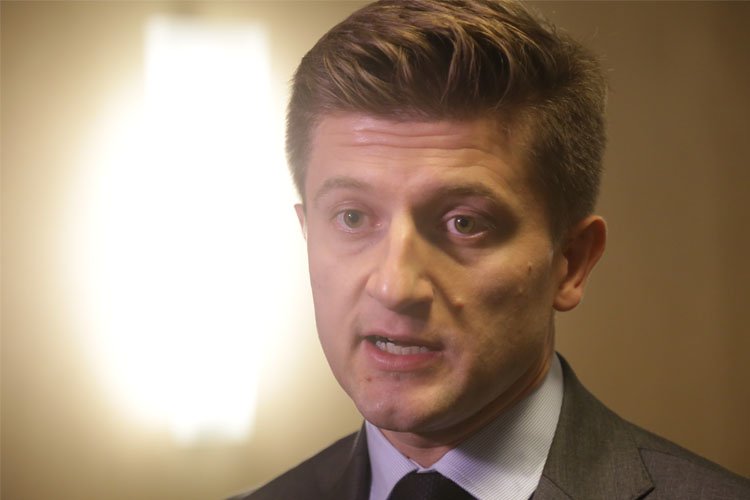
Finance Minister Zdravko Marić states that the principle of fairness was applied to the second income so that all citizens would have the same tax treatment.
According to information from the Tax Administration, last year about 13 thousand artists worked on a fee basis, with their average annual gross income from the second income being around 35 thousand kuna. Authors, on the other hand, earned an average of 14 thousand kuna in fees during the year, which would secure them two months of pensionable service if they were unemployed. The Tax Administration recorded about 56 thousand authors among the recipients of the second income, but they are not the largest group of freelancers.
Along with 101 thousand citizens who occasionally worked under contracts for work (and earned an average of around 6.6 thousand kuna during the year), the largest group of second income taxpayers actually consists of 90 thousand members of company assemblies and supervisory boards, management councils, various committee members, and jurors who together earned just over half a billion kuna in second income, writes Večernji list. Freelance jobs are also found in tourism, sales representation, the activities of traveling salespeople, interpreters, and court experts, where an additional 40 thousand citizens work, as well as in agriculture, where around 16 thousand citizens worked on a fee basis. The new tax rules will also apply to athletes, sports judges, and delegates…