
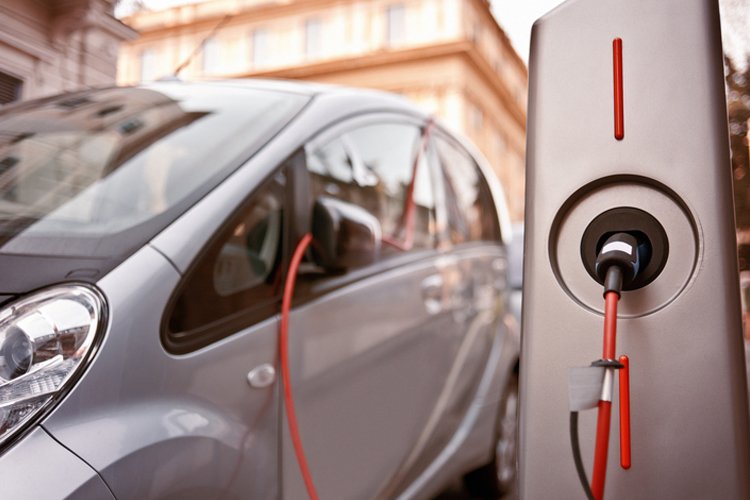
A greater number of fast charging stations for electric vehicles, a single competent body to represent the issues of e-mobility, and a range of incentives for users of environmentally friendly vehicles are just some of the recommendations from the American Chamber of Commerce (AmCham) in Croatia regarding the development of e-mobility in our country, presented on Friday.
The Executive Director of the American Chamber of Commerce in Croatia, Andrea Doko Jelušić, stated that e-mobility currently falls under the jurisdiction of three local ministries (the Ministry of Environment and Energy, the Ministry of Economy, and the Ministry of Maritime Affairs, Transport and Infrastructure), and that the Ministry of Tourism should soon join them, as more and more tourists are arriving in vehicles powered by electric or plug-in hybrid engines. Therefore, AmCham proposes that the interests of all relevant ministries be represented in a single competent body in the future, as they believe this would enable the development of e-mobility and more effective resolution of key issues related to its growth.
To illustrate that Croatia lacks a clear strategy for the development of e-mobility, Doko Jelušić explained that there are a hundred charging stations for electric vehicles, of which only 10 are fast, where the charging time to 80% battery capacity takes only 15 to 30 minutes, unlike weaker chargers, where batteries can take up to ten hours to charge. All fast chargers are located in cities, and none on main roads or highways. Therefore, they propose the installation of fast chargers on highways at intervals of 50 to 100 kilometers. It is also proposed to exempt electric charging stations from fees for installed power, as well as to enable the construction of such charging stations on highways through a concession model for construction sites. They advocate for the separation of direct financial incentives for electric vehicles from those for hybrids in such a way that, within the planned budget, the ratio for encouraging purchases is predefined (e.g., 60% for electric, 40% for hybrid). They also propose, among other things, preferential tariffs on highways for users of such vehicles, free charging at public charging stations, and discounts on parking tickets in public garages.


