Home / Information / Miodrag Šajatović: Successful countries know how to find a balance between the market and intervention

Miodrag Šajatović: Successful countries know how to find a balance between the market and intervention

It will be interesting, one day when he is no longer Prime Minister, to hear from Andrej Plenković the real reasons why he included Goran Marić among his ministers ‘five minutes to twelve’, subsequently, and then decided overnight to establish the ministry for the management of state property. Thus, he set a time bomb in the economic part of his government.

This primarily relates to the fundamentally different economic positions of the Minister of Economy and Deputy Prime Minister Martina Dalić (so-called liberal economic beliefs) on one side and Goran Marić, an economist from the so-called school of state interventionism, on the other. Moreover, when it comes to government coordination, Martina Dalić will lead one coordination, while Marić will lead another. Some will say that this repeats the situation from Milanović’s time when the persistent Gordan Maras was dealt with by inventing the Ministry of Economy and Crafts to get rid of him. Others will notice that the media focus has shifted from the Ministry of Culture and Education to ideologically less sensitive economic sectors. For some, this sudden wandering of the Prime Minister will be understandable because there is actually no clear commitment in either the pre-election program or the government’s official inauguration program regarding whether a neoliberal or state interventionist approach will prevail in the next four years.

There is no single truth

In monitoring what will happen in the coming months regarding the new government and the economy, it would be wise to start from the thesis that there is no single economic truth. There is no single economic school that guarantees prosperity. In the democratic part of the world, there is no country where only a liberal market exists in practice, where the state only sets the rules of the game; nor is there a country where private ownership, market competition, and private initiative do not play a major role. Countries differ only in how successfully they combine free markets and state intervention. When asked who will prevail, Goran Marić or Martina Dalić, Plenković reminds that he is the Prime Minister, so we will see quite quickly how his coordination goes (including the tough partners from Most). Perhaps he is such a wise politician (and has good informal advisors?) that he will extract the best from both sides. The first hundred days should be optimistic!

Example of Croatian Forests
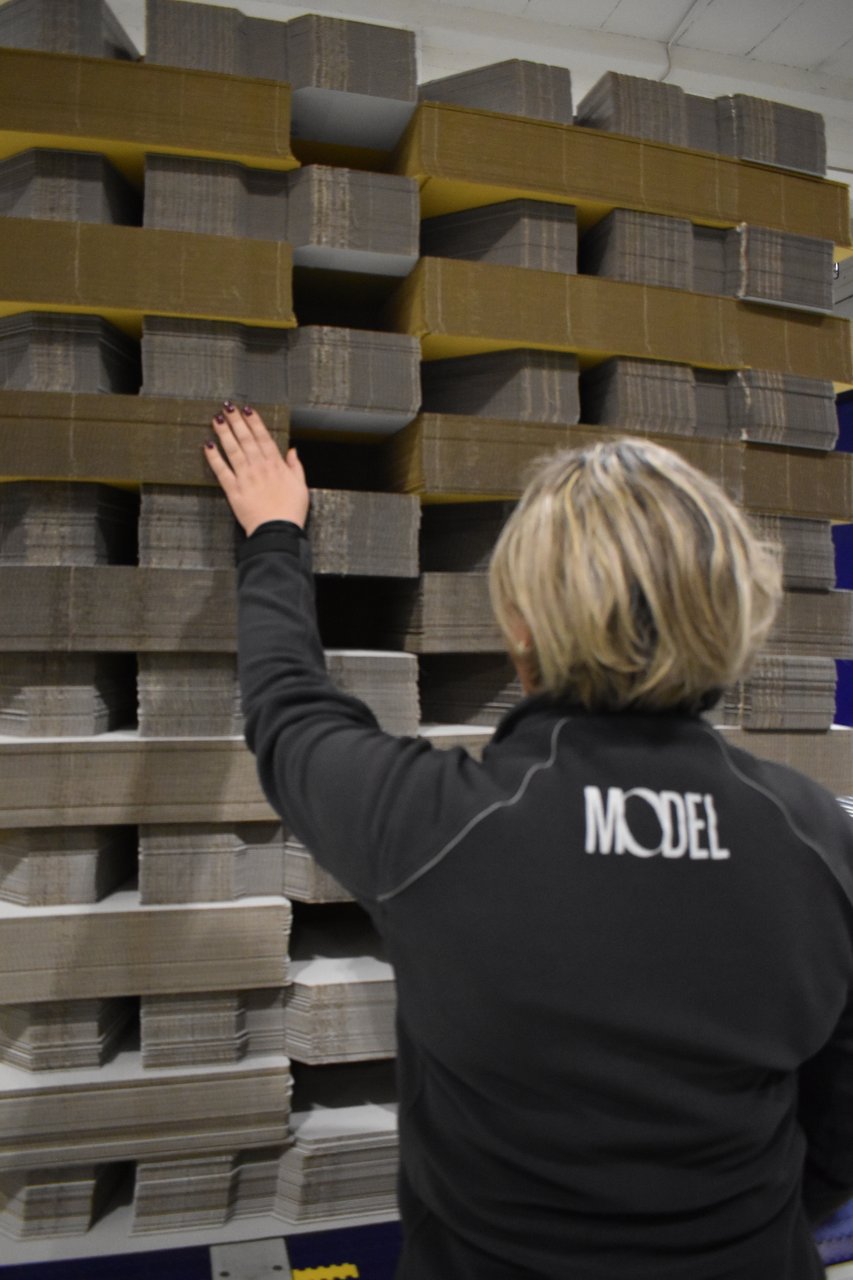
How difficult it is to determine the boundary to which the state plays the role of regulator, and above which it becomes a ‘market player’, can be seen in the management of forest wealth. If no one dares to say that Croatian forests should be privatized, then it is logical that they are managed by the state. The company Croatian Forests must sell a certain amount of timber each year. To whom and how?

A market approach would dictate going to public auctions, so whoever offers the highest price, the logs are theirs and they can do whatever they want with them. But in Croatia, there is a developed, export-oriented furniture industry. If it runs out of raw materials, tens of thousands of jobs will be lost. Added value will not be created; in the end, the budget will receive some part of the profit from Croatian Forests, but the multiplier effects will be absent. If logs become more accessible to domestic buyers, sawmills can obtain them in one variant and then export boards instead of logs. Is this the best for the national economy? A free market for logs would be the best solution if in other countries (let’s limit ourselves to the EU) there is a free market for purchasing local logs. But there isn’t. Everyone protects and encourages their finalists.

Another example: Danish pork producers are immeasurably more competitive than our domestic ones. Surely, the farmers there are more efficient. But insiders assure that farmers there receive hidden subsidies from the state that bypass the European Union’s radars. Under the pretext of caring for health, pig producers in Denmark have free veterinary services. The state pays for them! And with the explanation that it is about caring for environmental protection, farmers have a free and otherwise expensive process for dealing with manure…

Interestingly, and at the same time frightening, is that of all the indicators measured in the Doing Business evaluation system, Croatia has all one hundred possible points only according to the criterion of ease of cross-border trade. Thus, it is maximally open to all imported goods.

Of course, it should be fair to notice the absurdities when the state-owned Narodne novine wastes millions on fan paraphernalia for the national football team. Some companies in which the state is a owner certainly need to be privatized. Therefore, let the lights in Banski dvori shine deep into the night!