
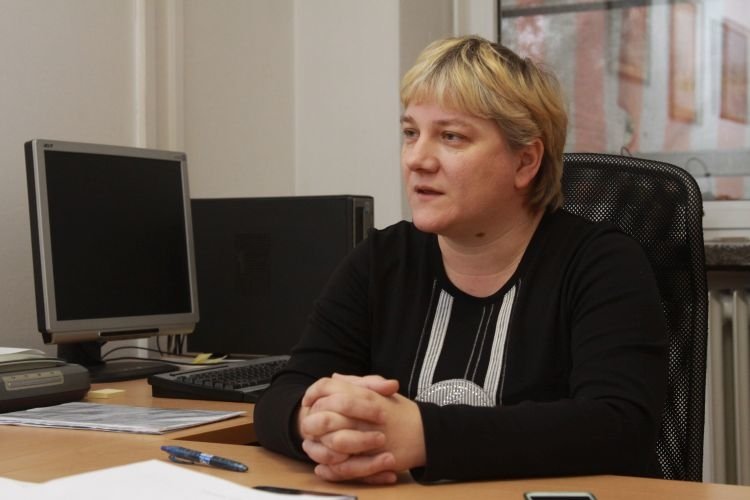
From the proposed vision for the development of the new government, Professor Marijana Ivanov from the Faculty of Economics in Zagreb does not have high expectations. There are quite a few stacked tasks, but the government benefits from the apparent survival of the entire mandate. Although it has not been fashionable for some time to publicly mention the exchange rate of the kuna, she does not hesitate to call out the Croatian National Bank (HNB), which in its analyses highlights, for example, the vulnerability of the USA with a strong dollar or the profitability of British exports with a weakened pound. A strong kuna and agriculture as a growth generator (mentioned in Plenković’s program of five key points) do not go hand in hand. However, the priority task is to reduce interest rates through fiscal consolidation to lower the risk premium and increase the credit rating.
• Bankers criticize the HNB, which boasts of conducting an expansive policy, for the fact that all released liquidity is short-term. Investment loans are long-term. – We do not need to rely too much on monetary policy at the moment. We have seen the effects of structural operations. Few banks are responding to structural operations and regular ones. These are very small amounts, while on the other hand, large banks have huge liquidity surpluses. As long as these large liquidity surpluses exist, the question is what is the purpose of new ones. The central bank can approve three-year and four-year loans.
• That is all too short a term. – The problem is not so much on the side of monetary policy as it is on the side of banking regulation. Basel III requires banks to hold more capital, maintain large liquidity reserves, and discourages them from credit activity and risk-taking. Basel III acts to ensure that both banks in Croatia and banks worldwide align their balance sheets with regulatory requirements. Banks do not have alternatives for long-term financing. They can finance long-term through their parent bank abroad, but several of those parent banks have stability issues. It is currently speculated that interest rates will remain low for some time, but the risk of rising rates exists. In this expectation, it is difficult to find long-term sources of financing, and banks inherently have a maturity mismatch between assets and liabilities. Their liabilities are deposits that are renewed but are contracted for shorter terms. They approve long-term loans for ten, twenty, or more years. They need significant security.


