
“The provisional economic recovery of Croatia continued to strengthen in 2016 despite the collapse of the short-lived coalition government,” states a report by the Financial Times on the latest trends in our economy.
According to the paper, there is hope in Croatia after the September elections that the government will continue to restrain public spending and dismantle administrative barriers to investment, which is “ambitious given that Croatian politics tends to obstruct economic reforms.”
– We have not seen any unrestrained promises about spending in this campaign, and both major parties have agreed that the upper tax bracket should be reduced and greater tax security introduced. This should be welcomed – said Sandra Švaljek, a scientific advisor at the Zagreb Institute of Economics, to FT.
“Champion of Reform”
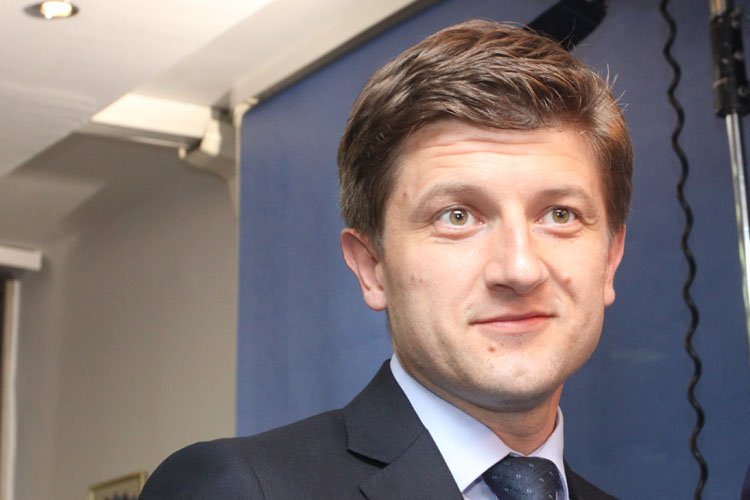
FT notes that the better-than-expected results of the HDZ in the elections were well received by analysts and that “the youthful Minister of Finance Zdravko Marić” enjoys the trust of the market and investors due to his role as “an articulate champion of reform of state-owned enterprises, simplification of the tax system, and reduction of administrative burdens for investors.”


