
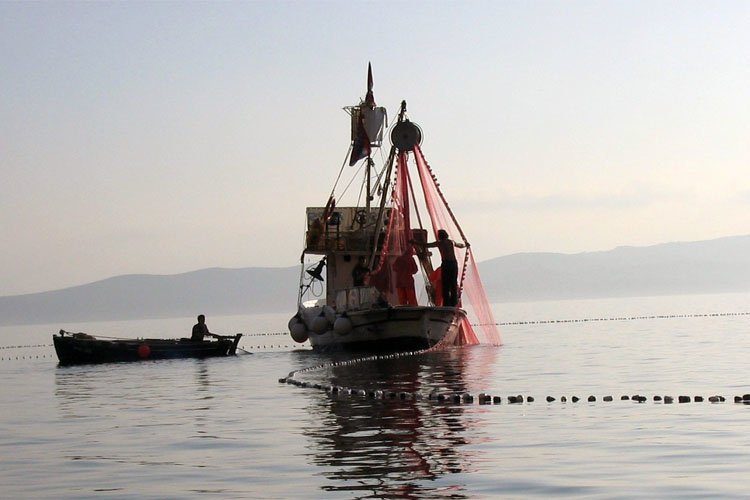
Globally, on average, each person consumes about 20 kilograms of fish annually, which is twice as much as 50 years ago, and 90 percent of fish stocks are being fished at maximum capacity, overfished, or have already been overfished. These alarming data were presented at today’s promotion of the Guide to Purchasing Fishery Products launched by the World Wildlife Fund (WWF) as part of the sustainable fishing initiative.
The presentation featured Martin Šolar, Director of WWF Adria, Danijel Kanski, Fisheries Expert at WWF Adria, Marina Šubašić, Communications and Corporate Relations Coordinator at WWF Adria, and Sanda Sokol, PR and Marketing Manager of the Esplanade Zagreb Hotel.
The Fish Forward project, funded by the European Union and implemented in 11 EU member states, was launched in 2015 with the aim of raising citizens’ awareness of the global economic and social consequences, thereby ensuring the future for millions of people who depend on fishing and related sectors, which account for 10% of the world’s population.
“With this guide, we can contribute to ensuring that our fish remains, that it is not endangered, just as pandas are no longer endangered, so it is up to us as a society to achieve this,” stated Šolar.


